
Ultimate Patagonia 10 day itinerary that will knock your socks off
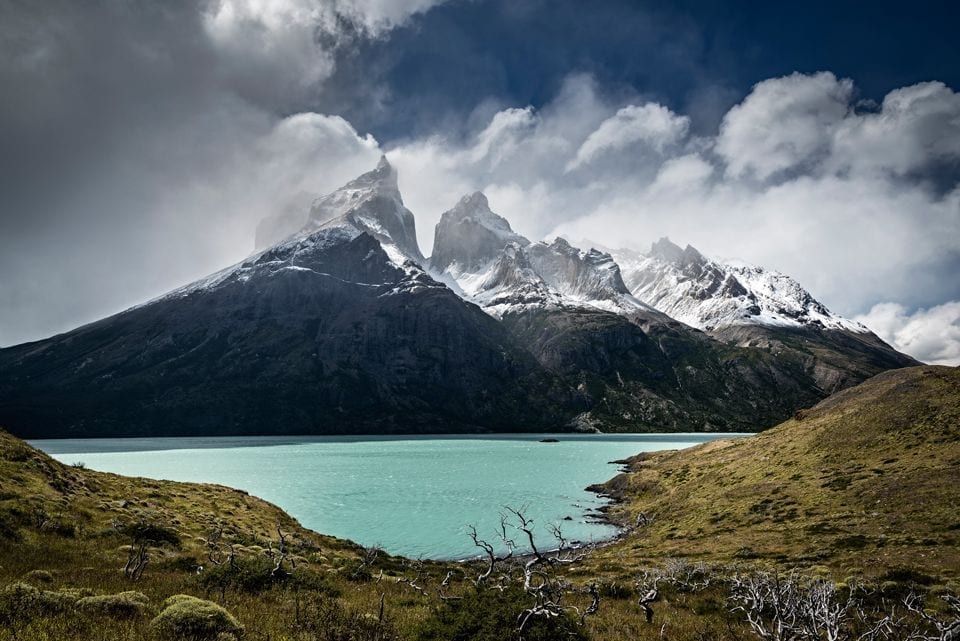
Jagged mountains, howling wind and the raw beauty of
Our Patagonia 10 day itinerary takes you through the most exciting parts of Chilean and Argentinian Patagonia and shows you why Patagonia is a true paradise for nature lovers, adventurers, and photography enthusiasts.
This itinerary starts and finishes in Punta Arenas (Chile), but it can also start in El Calafate (Argentina) or be done as a one-way trip between the two.
It’s designed to be flexible, so you can easily adjust the number of days based on your time and budget.
You can thus easily make this into a one week or two week Patagonia itinerary. The itinerary offers a choice of self-driving a rental car or using public bus services.
Now let’s have a look at those 10 fun-filled days, which include visiting Parque Nacional Torres del Paine and Los Glaciares, having a glass of whiskey on a glacier, hiking, and more!
Patagonia 10-Day Itinerary Overview
- Day 1: Arrive in Punta Arenas
- Day 2: Isla Magdalena (penguins)
- Day 3–5: Torres del Paine
- Day 6: Transfer to El Chaltén
- Day 7–8: El Chaltén & hiking
- Day 9: Perito Moreno Glacier
- Day 10: Departure
This post may contain affiliate links, which means that if you purchase anything via them, we might earn a small commission – at no extra cost to you. Check our affiliate disclaimer for more information.
Detailed Patagonia 10-Day Itinerary
So let’s dive right in – here is the Patagonia trip that we did. After this, you’ll get our best tips for planning your own trip if you’d like to make any adjustments.
Day 1 of Patagonia itinerary – Arrive in Punta Arenas
If your flight arrives early enough (i.e. before lunch), you might continue this very same day to Puerto Natales (approximately 3 hours) or Torres del Paine (approximately 5 hours).
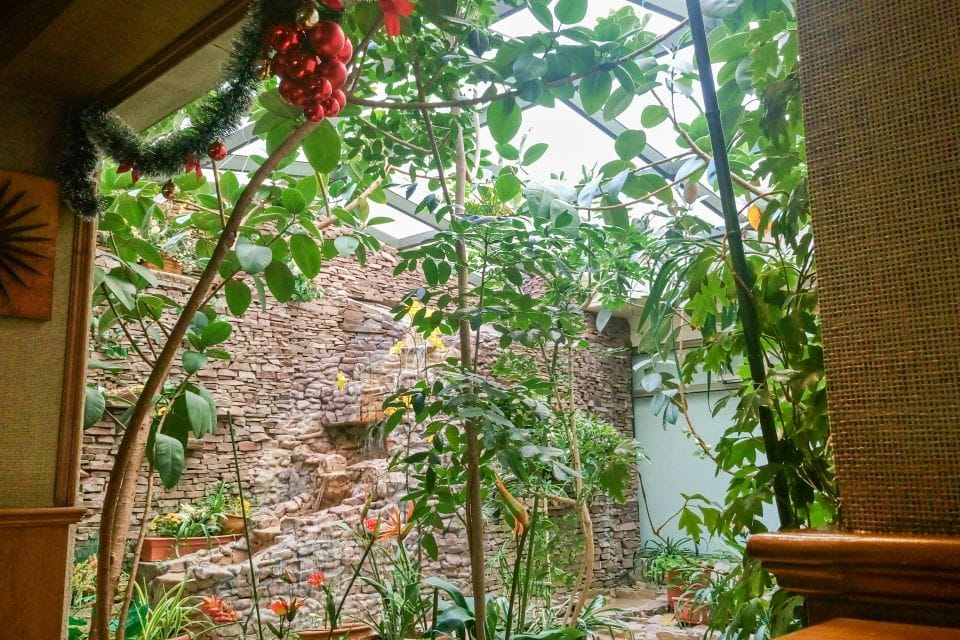
While Punta Arenas itself is not the highlight of your trip to Patagonia – you’ve come here for the breathtaking nature – the city is a pleasant surprise and feels different from Chilean cities further north. It is a unique mix of the South American version of Scandinavia with some Croatian influence and a local touch.
Did you know it was him who named Patagonia Patagonia? His expedition thought the local tribes to be giants with huge feet and called them Patagons, derived from
For dinner try some local delicacies such as Patagonian lamb or king crab with a bottle of great Chilean wine – that will be a perfect start for your 10 days in Patagonia.
Day 2 of Patagonia itinerary – Have fun watching penguins on Isla Magdalena
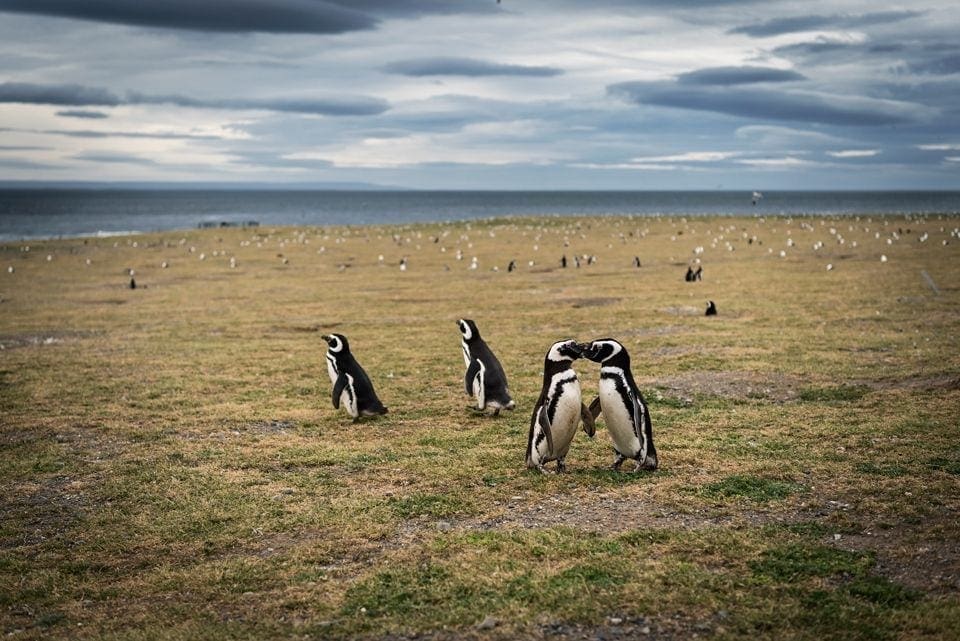
Wanna see penguins? Well, we did!
If you stayed overnight in Punta Arenas, a half-day tour to Monumento Natural Los Pinguinos on Isla Magdalena is a great way how to start your Patagonian adventure.
Isla Magdalena is a small island in the Strait of Magellan, located about 30 km from Punta Arenas. It is
This tour is typically available in the morning, so you would be back in Punta Arenas by noon – a great time to have lunch, pick up your rental car (or take a bus), stock up on some food you might need in Torres del Paine (there are very few options for shopping and they are expensive) and set off to Torres del Paine.
Check availlability of the tour.
Related: Visiting the penguins on Isla Magdalena is one of the 7 unforgettable experiences not to be missed on your Patagonia itinerary
On the way, stop in Puerto Natales – the closest town to Torres del Paine with a pleasant atmosphere.
By the time you get here, you’ll probably notice that Patagonia is one of the windiest regions in the world. Puerto Natales even has a monument dedicated to the wind – Monumento al Viento.
If you’re driving, it’s a good idea to refuel here, and even take some extra fuel with you in the containers, as there is no fuel in Torres del Paine.
Days 3, 4, and 5 of Patagonia itinerary – Enjoy the fascinating Torres del Paine National Park
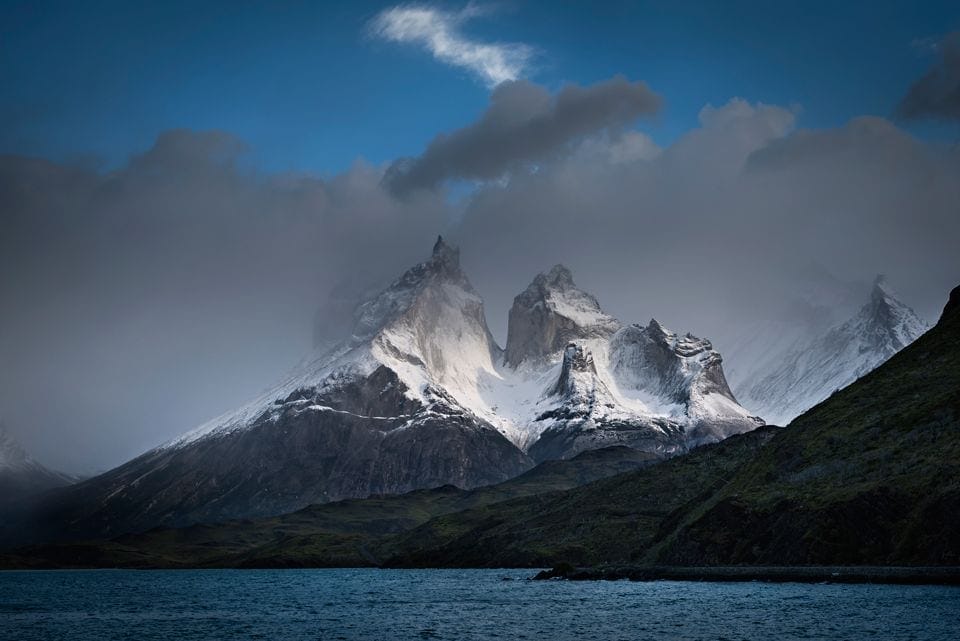
Wherever you go and whatever you do, dress in layers.
Three days is the day-hike version of the park. If you’d rather trek it properly, swap these days for the 5-day W trek – and either way you’ll need the sectoral park ticket bought online in advance (see our tickets guide) plus a bed from our Torres del Paine accommodation guide. Your base between legs is Puerto Natales – see what to do in town.
Waterproof and windproof clothes will be your best friends, as the weather might be fierce – heavy rain-shower followed by a beautiful blue sky that will soon be turning dark-dark grey, hey, here comes a brief snow-shower and voila, it’s all sunny and warm again.
Related: What to pack to Patagonia
And the wind, that is the typical Patagonian weather.
But don’t let that discourage you – Torres del Paine offers some of the best sceneries in the world.
What to do during these three days?
Hike, ride a horse like a Patagonian gaucho, kayak, walk to the viewpoints, take pictures and let the scenery knock your socks off (don’t let the wind knock your hat off, though). There are just so many things to do in Torres del Paine!
When we were here during our own Patagonia trip, the weather was rather bad. We managed a short hike to Lago Nordenskjold, but that was about it.
Other than that, we just drove around the park, stopping occasionally at some interesting spots, and enjoying the views – they were incredible even without hiking! And Michal did some morning photography.
It’s pretty much impossible for us to tell you “you should do this hike on this day and that activity on that day”. The weather is wayyyy too unreliable, so the best way is for you to just check out what options are there that match your interests and your budget, make a list, and then make a solid plan for the specific day.
Day 6 of Patagonia itinerary – Drive from Torres del Paine to El Chaltén
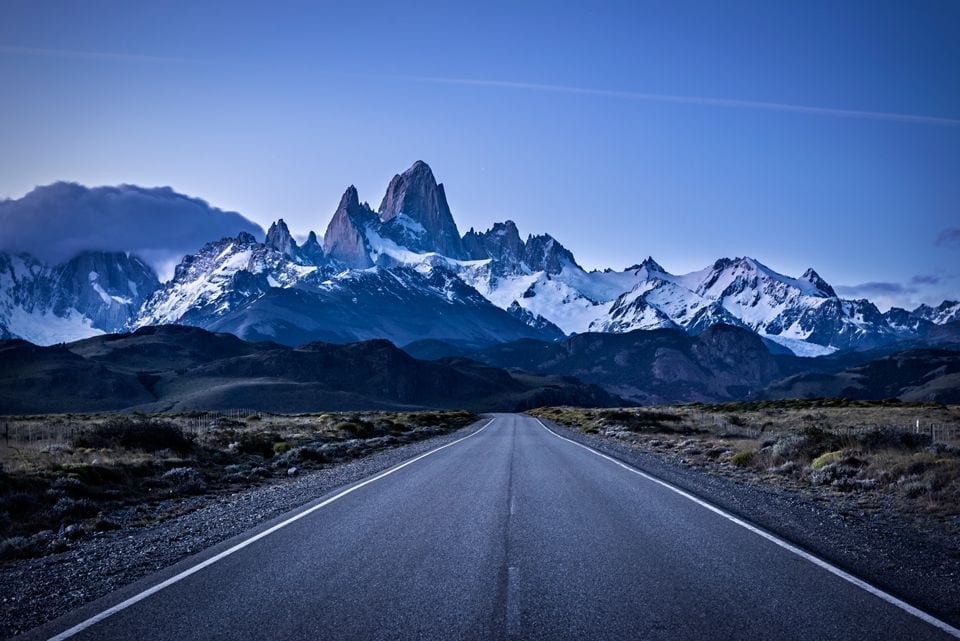
This will take approximately 6 hours, so you’ll be arriving in the trekking capital of Argentina in the afternoon.
The last
Just before entering the town, the Los Glaciares National Park information centre is on the left – worth a quick stop for trail conditions and a weather forecast.
Spend the rest of this day relaxing in El Chalten. This small mountain town has a pleasant atmosphere and, unlike Torres del Paine, a rather good and rich food and drink scene, even some artisanal breweries.
Day 6 and 7 of Patagonia itinerary – Enjoy El Chalten and Los Glaciares National Park
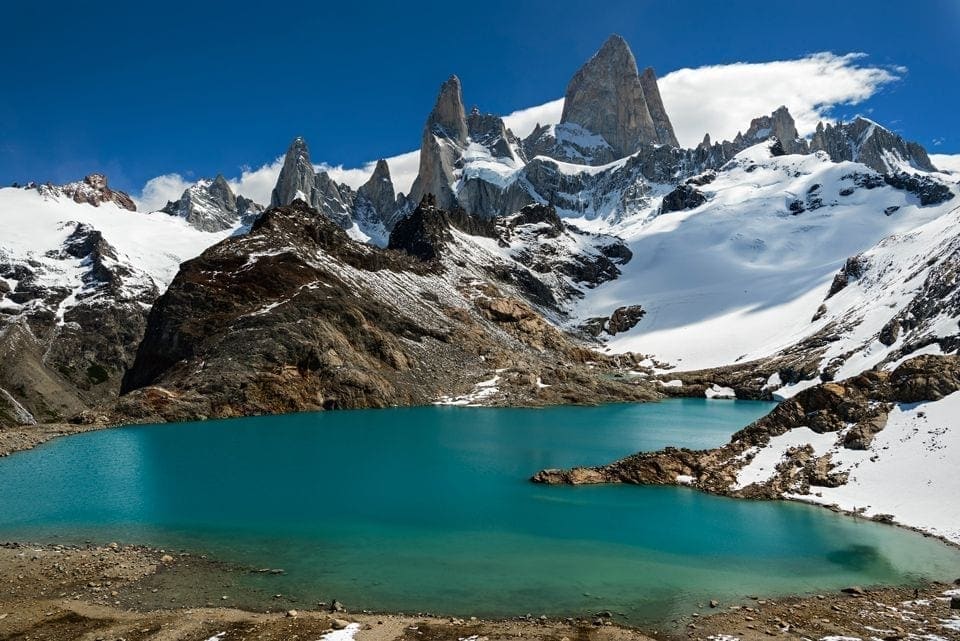
There’s a good reason why they call this place the trekking capital of Argentina – the hikes with some amazing scenery were the highlight of our stay here. Some of the best hikes in Patagonia are there.
(Our El Chaltén town guide covers the food, the rafting, and the rest-day options for these days.)
There is a hike available for everyone here – from short walks to day hikes.
During our days in Los Glaciares National Park, we did a day hike to the Laguna de los Tres and a walk to the Mirador Los Condores. The weather didn’t permit anything more.
Michal again did some amazing morning shots of the mountains around El Chalten – as you could see in the pictures before and in our Patagonia travel diary as well.
Finish off your days with a hearty meal and some artisanal beer – it will taste damn good after the long day of hiking.
Day 8 of Patagonia itinerary – Drive from El Chalten to El Calafate
This will take only about 3 hours, making this a relaxing day after those busy hiking days.
Explore El Calafate, a very pleasant town at the shore of the beautiful Lake Argentino, the biggest freshwater lake in Argentina.
Did you know the town got its name after
Try a
Seriously. Ask any of the locals 😊
Day 9 of Patagonia itinerary – Have an unforgettable whiskey and ice experience on Perito Moreno glacier
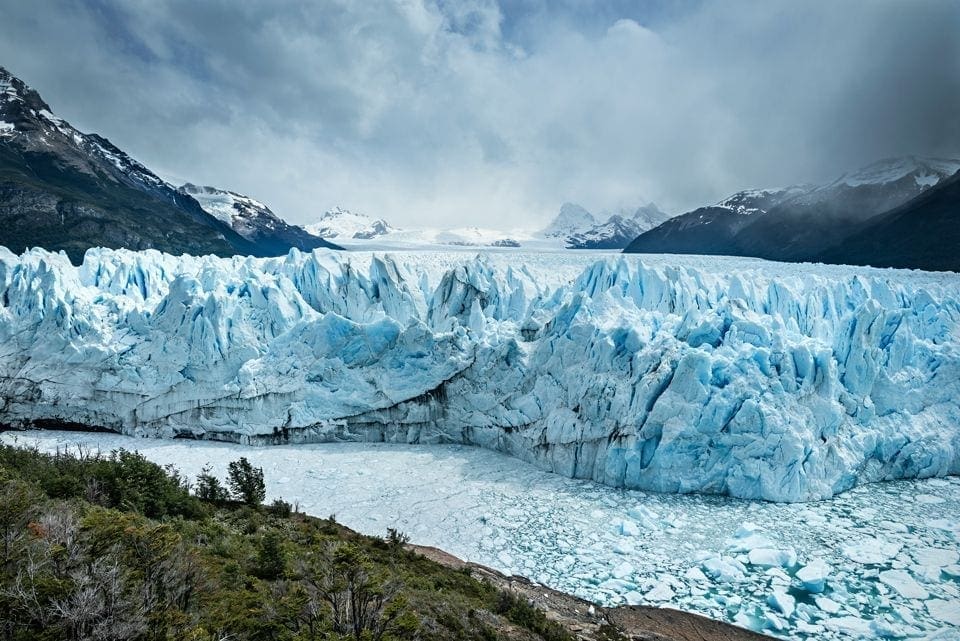
Perito Moreno awaits you and it’s gonna be unforgettable. This glacier, located about 80 km from El Calafate, will inspire all of your senses. Watch its impressive
Whether you put on the crampons and walk on the glacier (we definitely recommend this) or just admire it from the shore or from a boat, it is going to be fun for the whole day.
Day 10 of Patagonia itinerary – Departure
If you’re finishing your Patagonia itinerary in Punta Arenas, you will use this day to drive from El Calafate to Punta Arenas, which will take about 7 – 8 hours.
Refuel before setting off, and then perhaps again in Puerto Natales, which is also a good place where to stop for lunch.
It’s a rather long drive altogether, giving you enough time to reflect on all the amazing memories you’re now bringing with you from Patagonia.
Tips for planning your Patagonia itinerary
Since Patagonia is quite a remote region, it’s better to plan your vacation there quite a bit ahead of going. There are limited amounts of accommodation, restaurants, and grocery stores. And let’s not even talk about the gas stations!
Plus, what to pack? How’s the weather? Where and when to go? We’re going to answer all of these questions here.
Flights to Patagonia
The two principal airports serving Patagonia are Punta Arenas in Chile and El Calafate in Argentina. There’s a small airport in Puerto Natales, which is the closest airport to Torres del Paine, however, it has only a few flights during summer.
Punta Arenas airport – PUQ
Punta Arenas has numerous daily flights to Santiago, a few of them with a stop-over in Puerto Montt. These are operated by:
- LATAM – usually expensive, unless the flight is part of an international trip, e.g. New York – Santiago – Punta Arenas,
- Sky Airline – low-cost, usually cheap, even ridiculously cheap when booked well in advance,
Jetsmart – similar to Sky Airline.
Also, there are flights to Ushuaia operated during summer by DAP Airline.
We think this is the best way how to get to Torres del Paine – flying down to Patagonia and driving a car.
Puerto Natales (PNT)
Puerto Natales (PNT) has flights to Santiago operated by LATAM several times per week during summer. There are fewer flights available than from Punta Arenas.
El Calafate (FTE)
El Calafate (FTE) has several daily flights to Buenos Aires operated by Aerolineas Argentinas and LATAM (both similarly priced and generally more expensive than the
Transport in Patagonia
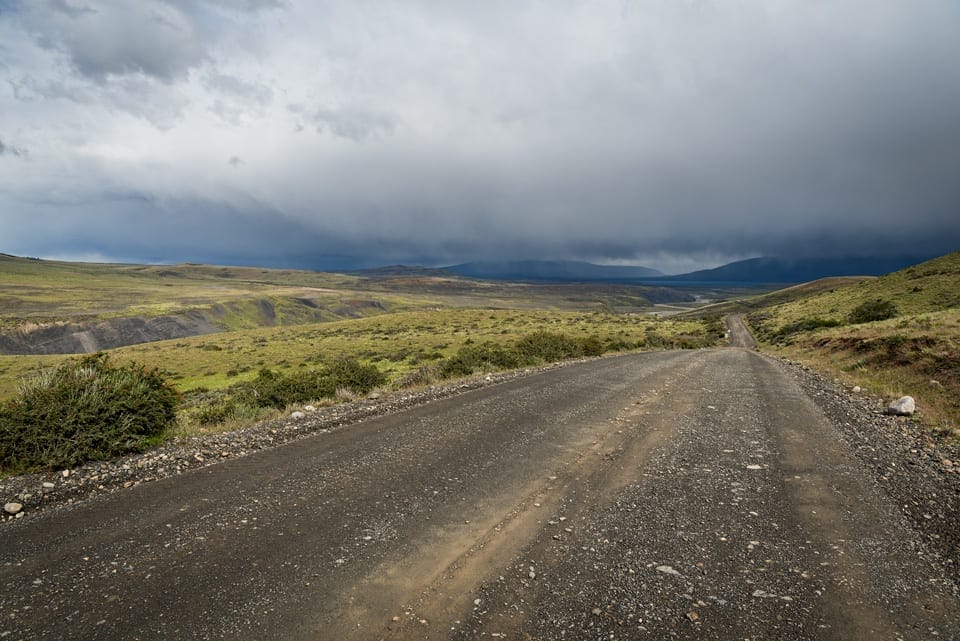
There are two options for how to move around the
While it mostly comes down to your personal preferences and budget, here’s our advice:
- If the highlight of your visit to Torres del Paine National Park is doing the classical 5-day W trek, we recommend the bus service – you wouldn’t use the car at all during these 5 days, so there’s no point in paying for it.
- If you prefer a mix of one-day hikes with the ability to explore some other interesting locations (not only) in Torres del Paine, we recommend renting a car. A car is a more expensive option but it gives you the
freedom to move around and be flexible. It should also be noted that if the car is shared by 4 people, the cost per person is actually very similar to the cost of taking the buses all the way.
Buses in Patagonia
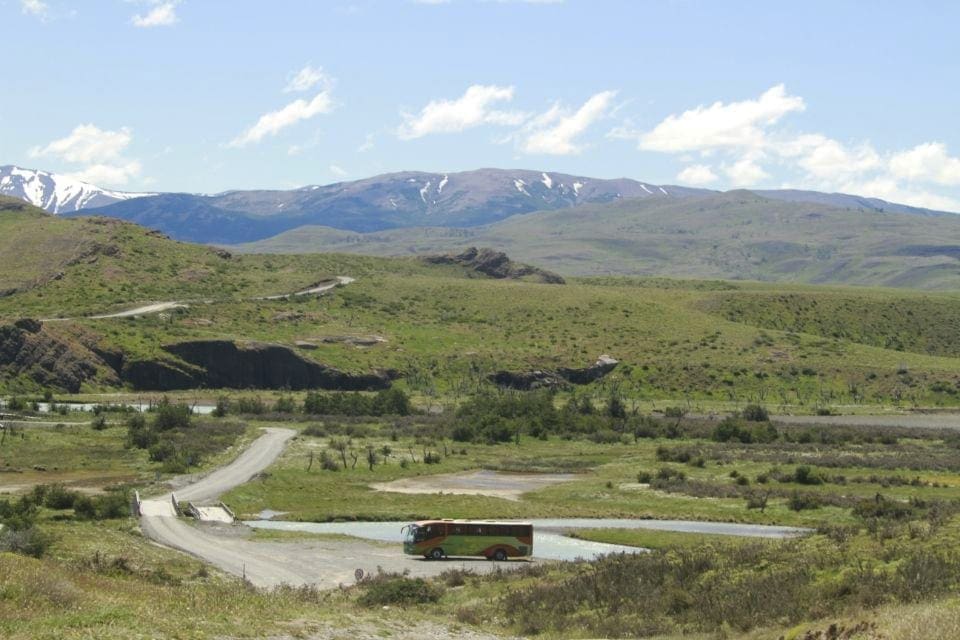
It is recommended to book tickets online in advance, especially in the high season.
Chilean Patagonia
For moving around Chilean Patagonia, Bus Sur offers the most frequent connections.
They operate:
- several times daily from Punta Arenas (either downtown or straight from the airport) to Puerto Natales (approximately 3 hrs),
- twice daily (might be different if you’re visiting in low season) between Puerto Natales and Torres del Paine (approximately 2 hrs, stopping at Laguna Amarga and Pudeto locations in the park)
- daily service between Puerto Natales and El Calafate, Argentina (approximately 6 hrs).
Argentinian Patagonia
For moving around Argentinian Patagonia, there are the options of Cal-Tur or Chalten Travel, both offering several daily connections between El Calafate and El Chalten (approximately 3 hrs).
For visiting Perito Moreno Glacier from El Calafate,
Renting a car and driving in Patagonia
There are several car rental agencies (not too many, though) in the main Patagonian hubs: Punta Arenas, Puerto Natales and El Calafate. Most of them are small local companies, with some international brands being available as well.
You can rent a car in Chile and take it to Argentina or vice-versa. The rental gets more expensive like this due to the required insurance, however, it is a very convenient way of exploring both the Chilean and Argentinian sides of Patagonia. This is the way we did it, and we definitely recommend exploring Patagonia this way.
We reviewed most of the agencies while deciding which one to choose for renting a car in this remote area.
Obviously, we were looking for a reliable company that would provide us with a middle-sized car and arrange all the paperwork required to take it across the Chilean-Argentinian border, all of this for a competitive price. Based on our email communications, we had the best feeling about renting from ADEL Rent a car based in Punta Arenas.
A 10-day rental of Renault Symbol from ADEL, including all the paperwork to drive to Argentina, amounted Duster SUV (the smallest car available when writing this article) for 10 days, including visiting Argentina, amounts to around 1090000 CLP. We were happy with this company and would recommend them.
Driving in Patagonia
Is driving in Patagonia easy and pleasurable? Yes, with just a few words of caution:
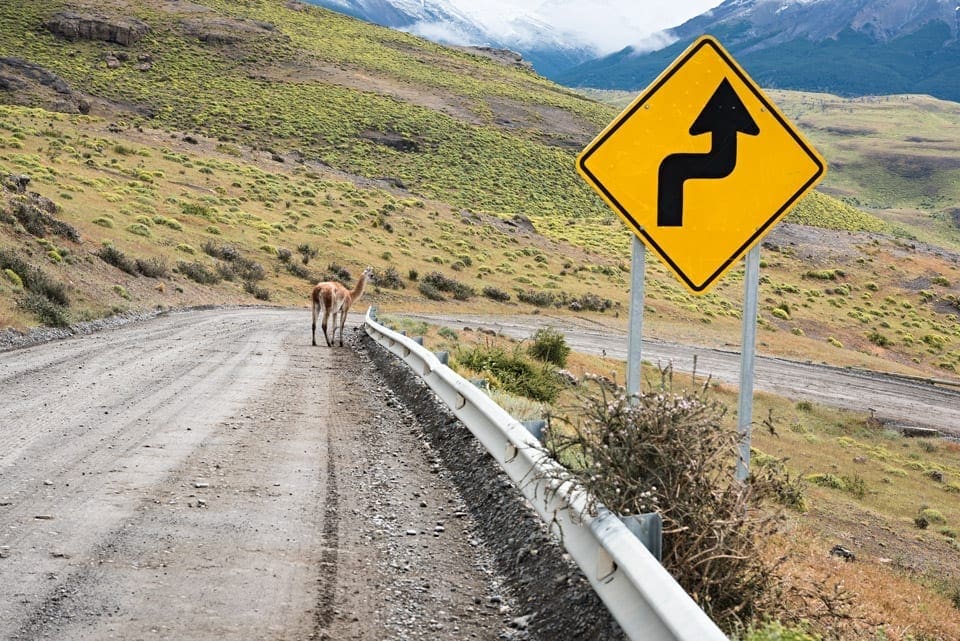
- The roads are generally empty and in good condition, except for the roads in Torres del Paine itself, which are gravel roads with some potholes.
- Also, a very short section in Argentina closest to the Chilean border is a gravel road and an old asphalt road with potholes. They were still perfectly ok for our 2-wheel-drive, though, just keep the speed down on bumpy sections.
- There’s a good chance it will be windy (or even bloody windy) while driving, so we recommend keeping both hands on the steering wheel, especially if meeting a bus or a truck in the opposite direction.
- The whole area has only a few gas stations – in Punta Arenas, Puerto Natales, Esperanza, El Calafate, and El Chalten, so it might be a good idea to have some extra fuel in a separate container (supplied by the rental agency).
- Also, the whole area is very sparsely populated and doesn’t have cell phone coverage in most of the unpopulated areas.
- None of the rental companies that we researched offered GPS (saying that GPS coverage is very unreliable in the area, so it is better not to use it), so we recommend using good old paper maps. It’s nothing to worry about, though, as there are only very few roads with mostly good signs, so the chances of turning onto the wrong one are very slim.
Accommodation in Patagonia
Punta Arenas
Punta Arenas has plenty of options for all budgets.
Puerto Natales
Again, plenty of options for all budgets.
If you’re considering staying here while visiting Torres del Paine, be aware that the driving time to Torres del Paine is between 1.5 – 2 hours (depending on where exactly in the national park you want to go) one way – that’s a lot of extra driving.
On the other hand, there are far more options for accommodation and food in Puerto Natales compared to Torres del Paine, and at cheaper prices.
Torres del Paine
As far as accommodation is concerned, the magnificent park is the trickiest part of the whole Patagonia itinerary – the options are few and expensive.
The highest season is January and February, and this period may require booking several months in advance. The options include
- hotels – either in the Rio Serrano sector, just outside the southern entrance to the national park, or scattered at a couple of locations inside the national park, as well as in Cerro Castillo at the Chilean-Argentinian border,
- refugios – located at convenient places around the main trekking paths. They offer only dorm rooms with shared bathrooms
- and campsites – located also at convenient places around the main trekking path, some of them located next to refugios.
We have a comprehensive article about hotels in Torres del Paine, where you’ll find descriptions of hotels available in the park and a separate article about refugios and camping sites in Torres del Paine.
Search for accommodation in Chilean Patagonia
El Chalten
The hiker’s paradise has plenty of options for all budgets.
However, during the main summer season (Jan – Feb) we recommend you book in advance, although you’re much more likely to find some last-minute options here rather than in Torres del Paine.
El Calafate
El Calafate has plenty of options for all budgets.
Search for accommodation in Argentinian Patagonia
Best time to visit Patagonia
Patagonia is one of the windiest regions in the world.
A typical day will be one when you’ll need your windproof and waterproof clothes as well as your sunglasses. If you have clear blue skies for the whole day, you’re extremely lucky. If it’s just pouring rain for the whole day (oh yeah, we remember this from Torres del Paine), you’re rather unlucky. Anything in between, and you have a rather typical day in Patagonia.
The region has four seasons, and it’s nothing unusual to experience all of them in one day. I remember asking the park rangers in Torres del Paine what season has the best weather… you should see how that question made them laugh!
Having said these facts about the wayward Patagonian climate, the answer to the question “When is the best time to visit Patagonia” would be that the most popular times to enjoy
Summer (Jan – Feb) brings most of the crowds and (theoretically) the warmest temperatures and the strongest winds. Autumn (
If you plan to visit other places in Argentina or Chile, the best times to visit are pretty similar.
FAQ – Patagonia Itinerary (10 Days)
How many days do you need in Patagonia?
10 days is a great starting point. It allows you to see Torres del Paine, El Chaltén, and Perito Moreno Glacier without rushing.
What is the best 10-day Patagonia itinerary?
A typical route includes Punta Arenas, Torres del Paine, El Chaltén, and El Calafate. You can start in Chile or Argentina, depending on flights.
Is it better to drive or use buses in Patagonia?
It depends. Buses are better if you’re doing multi-day treks like the W trek. Renting a car gives you more flexibility, especially for day hikes and changing weather.
Is driving in Patagonia difficult?
No, driving is generally easy. Roads are mostly empty, but some are gravel and conditions can be windy. Fuel stations are limited, so plan ahead.
Where should you stay in Patagonia?
The main bases are Punta Arenas, Puerto Natales (for Torres del Paine), El Calafate, and El Chaltén. Torres del Paine itself has limited and expensive accommodation.
What is the best time to visit Patagonia?
The best time is from October to April. Summer (Jan–Feb) has the best weather but also the most crowds. Autumn (March–April) offers fewer people and beautiful scenery.
How do you get to Patagonia?
The main airports are Punta Arenas (Chile) and El Calafate (Argentina). Most international travelers connect through Santiago or Buenos Aires.
Can you cross the border between Chile and Argentina in Patagonia?
Yes, you can cross the border by bus or rental car. If renting a car, make sure the rental company provides the necessary paperwork.
Is Patagonia expensive?
It can be, especially in Torres del Paine where accommodation is limited. However, transport and food can be relatively affordable depending on your travel style.
Do you need to book Patagonia in advance?
Yes. Patagonia is remote and accommodation is limited, especially in high season, so booking ahead is recommended.
Like this post? Pin it!




![Torres del Paine tickets & entrance fees [2025/26]](https://www.wanderlustdesigners.com/wp-content/uploads/2021/07/torres-entrance-Leonardo-Ruggeri-768x499.jpg "Torres del Paine tickets & entrance fees [2025/26] torres entrance Leonardo Ruggeri")


Great headline about your clothes being blown off. Didn’t realize it is so windy in Patagonia.
Haha, thanks!
I would love to talk to you. My wife and I are spending 10 days or more in Pategonia. If it is possible to call you let me know.
Hi Mark,
I’m not doing calls at this time, but I’m happy to answer any questions you have in an e-mail! You can contact me at kristine@wanderlustdesigners.com
Best,
Kristine
I love Puerto Natales area as theres a lot of option and a budget friendly for accommodation and have a lot of food options. I wanted to try the paella. I pinned this and added to our bucketlist! Thanks for sharing your experiences.
Thank you!
We wanted to travel to Patagonia a few years ago, but as you said it’s windy (and cold), and we both don’t like cold weather, haha! Also, the only months we can travel for a longer period is in July and August, but that’s not the best time to go to Patagonia… Who knows, maybe in December someday.
Yeah, it is cold there, haha!
Hm, yeah, it might be troublesome to travel in July and August with the reduced services, so I hope that you can get some time off in December!
Patagonia is nuts. I have a hard time wrapping my brain around South America = Glaciers and Penguins
Right? It’s crazy!
Your article brings back wonderful memnories from our Patagonia trip. We did, however, only stay on the Chilean side of the border. In Torres del Paine, we were surprised how good the road conditions were. Yes, those are dirt roads, but they were in real good conditions and we were able to drive 30-50km/h.
In Puntas Arenas, we enjoyed the Museo Nao Victoria and a stroll along the seafront. Puerto Natales is a beautiful small town with wonderful nature views.
I agree – although the roads are dirt, they are in a good condition!
Sounds like you had an awesome trip as well!
Your post reminds me of my incomplete trip to South America. My plan was to travel from the Northernmost point in South America to the Southernmost point in South America. I did travel to the northernmost point before getting stuck in Colombia due to the pandemic. This is a really detailed post about Patagonia. Bookmarking it for my future trip 🙂
Ohhh, that sounds like it would have made an incrediblllle trip!!! I hope you manage to finish it one day!
And thanks for bookmarking!
This looks like a really unforgettable trip! I would probably want to do the bus tour but for driving, did both Chile and Argentina accept an international license? I know especially in non-English-speaking countries their acceptance can be limited. I also had no idea that it was so windy in Patagonia! Dressing in layers sounds like good advice!
Hey, Kevin,
about the driver’s licence – from what I can see, it actually depends on the country. For some, it’s ok to have a driver’s licence issued by their own country, and for some, an international licence is required. This article from Condor Campers has the list of countries.
Pack for the worst, hope for the best will forever be my packing mantra! I love that. Patagonia is way at the top of my bucket list, I really enjoyed reading this information post!
Oh, that’s a golden quote!
I hope you manage to go there! It is an amazing place!
Great article. In the process of planning a trip to Patagonia with my 13 year old and this is really helpful. ☺️
I’m really happy that you found this helpful! I hope your trip goes really well!
Loads of great information. Thank you! We are travelling in Feb/Mar 2024. I may have missed it in the article but what time of year did you visit Patagonia?
Hi Sara,
Thanks for your feedback, it’s really nice to hear it!
We visited Patagonia in the middle of December, so summer.
Cheers,
Kristine
Hi Kristine! Question, you mention driving around TDP for 3 days before continuing on to El Chalten. How did you have enough gas for all that driving? Did you have to loop back to Puerto Natales at any point for gas? Going in December and managed to get accommodations in the park, but worries we’ll still need to go back anyway.
Hi Janneta,
We had an extra container of fuel in our car that the car rental gave us. We filled the car and the container in Puerto Natales and then the car from the container in Torres del Paine. After that, there were gas stations in Argentina.
So yeah, make sure to ask for a container for the fuel. Otherwise, it’s quite tricky. Going to Puerto Natales… yeah.
Hope this helps!
Kristine
I have never been come to Patagonia. your trip looks interesting. hope i can follow your tour itinerary
Hey Gede,
I hope you can, too! Enjoy!
Cheers,
Kristine