
Cambodia travel guide: temples, cities and the pepper coast
Cambodia surprised us. We came for Angkor – of course we did – and left talking about pepper farms, a bamboo train, bats pouring out of a cliff at sunset, and a country that carries an unbearably heavy recent history with startling warmth. This is everything we’ve written about it, organised the way you’d actually travel it.
Prices, visa rules and opening details checked in August 2026. This post contains affiliate links – see our affiliate disclaimer.
Cambodia in numbers
Time needed: 10 days for the classics, 2–3 weeks to do it properly
Best months: November–February (dry, cooler)
Visa: tourist e-visa around US$30, 30-day stay
Money: US dollars everywhere, riel as small change
Daily budget: US$30–50 comfortable, US$20 backpacker, US$100+ boutique
Biggest single cost: the Angkor pass (US$37–72)
How to travel around Cambodia
Distances are short, buses are cheap, and the roads have improved enormously. Most travellers do a loop: Phnom Penh → Siem Reap → Battambang → back south to Kampot, or the reverse. Night buses save a hotel night but cost you sleep – on the shorter hops we’d always take the day bus and watch the countryside go by.
| Route | Time | Typical price |
|---|---|---|
| Phnom Penh → Siem Reap | 5–7 h | US$17–35 |
| Siem Reap → Battambang | 3–4 h | from ~US$10 |
| Phnom Penh → Kampot | 3–4 h | from ~US$8 |
| Battambang → Kampot | 9–11 h (change in Phnom Penh) | from ~US$22 |
Start here: the temples of Angkor
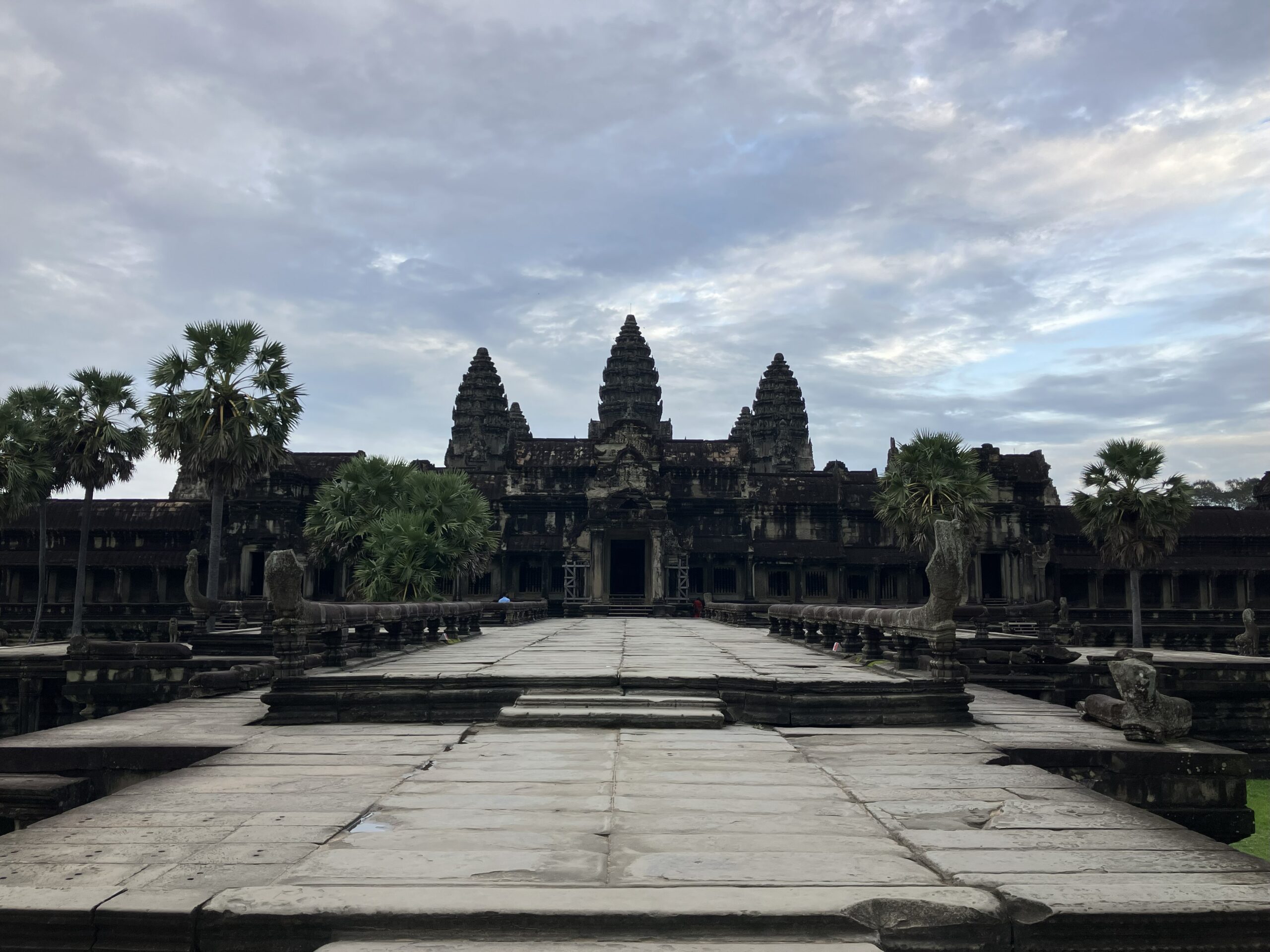
Siem Reap is where most trips begin, and the temples deserve more than the rushed sunrise photo. Practicalities first: an Angkor pass costs US$37 for one day, US$62 for three days (3 visit days within a 7-day window) or US$72 for seven days, children under 12 go free, and passes are bought online or at the Road 60 ticket office – never at the temples themselves.

👉 Angkor Wat in one day – the small-circuit classics done properly
👉 3-day Angkor Wat itinerary – our full temple plan, day by day
👉 Koh Ker – the jungle pyramid two hours out, and worth every minute
👉 Kulen Mountains and the Kulen waterfall – sacred mountain, separate US$20 ticket, arrive before 11 am

Phnom Penh: the capital you shouldn’t skip
It’s loud, it’s humid, and it asks something of you – the genocide memorials are not an easy morning, but they are the reason to come. Tuol Sleng and Choeung Ek cost around US$10 each including the audio guide, and the audio guide is not optional in our opinion: the survivor testimonies are what turn a grim building into an understanding. Then the riverfront, the markets, and some of the best street food in the region.
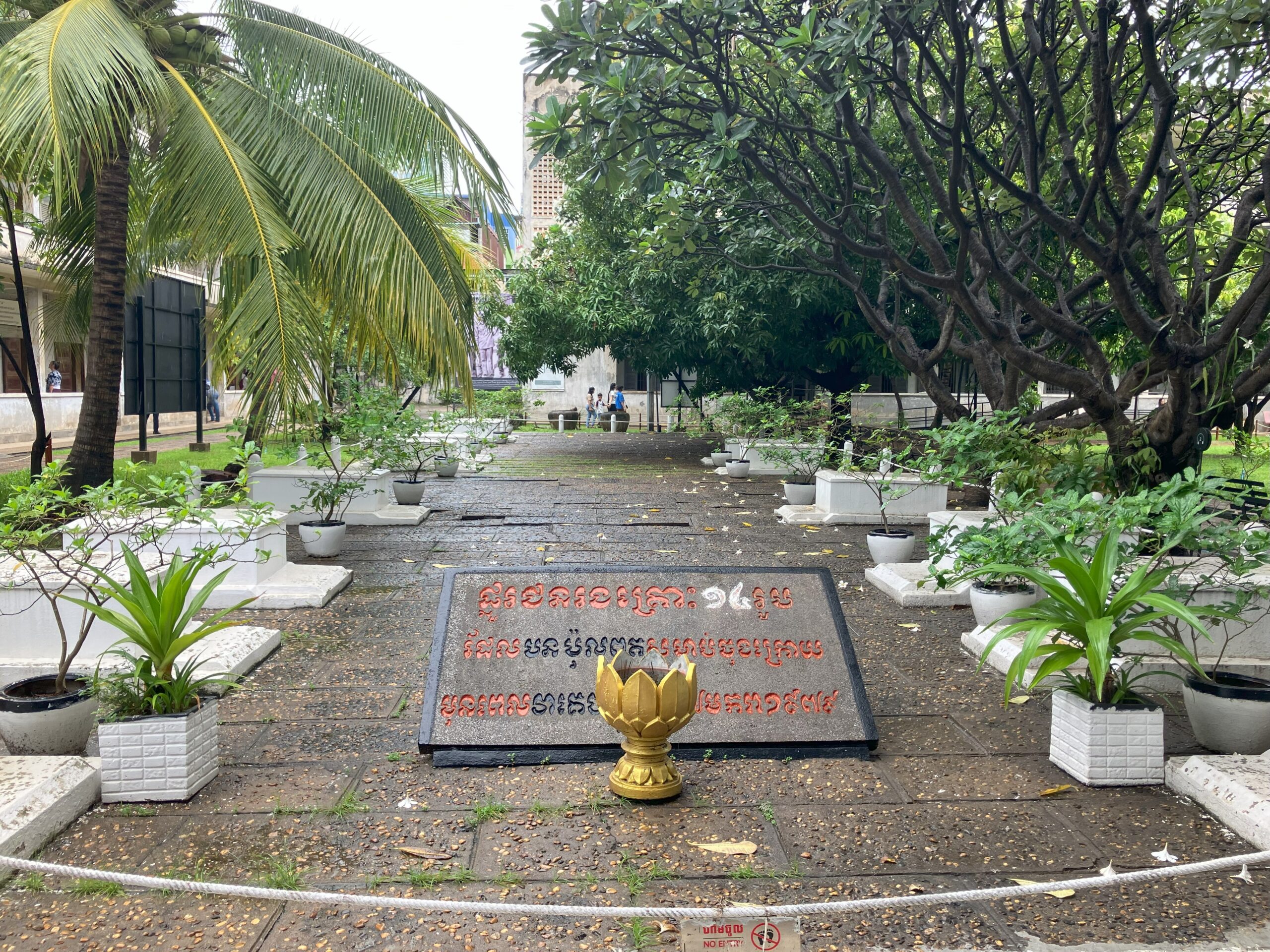
👉 One day in Phnom Penh – what to see, what it costs, and how to pace a heavy day
Battambang: Cambodia at everyday pace
Our favourite surprise. Colonial streets, an art scene, countryside you can cycle through, a bamboo train, and – the real showstopper – millions of bats streaming out of Phnom Sampeau at dusk. Prices here are a fraction of Siem Reap’s and nobody is trying to sell you anything.

👉 One day in Battambang – the essentials if you’re passing through
👉 10 things to do in Battambang – what we’d add with a second day
The south: Kampot, Kep and Bokor
Riverside sunsets, the world’s most famous pepper, and an abandoned French hill station in the clouds. This is where you slow down at the end of a trip – and where we ate the best meal of our Cambodia trip.
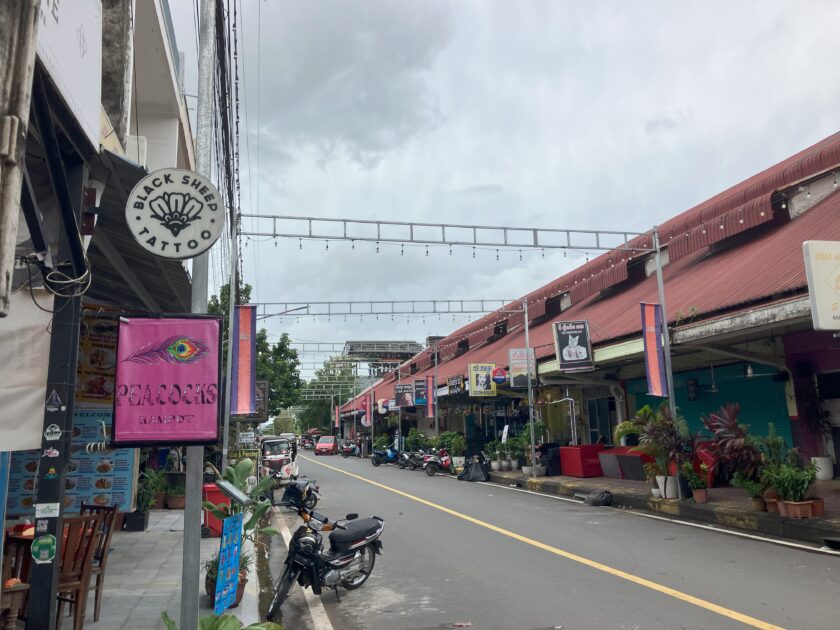
👉 Kampot itinerary – how to spend two or three days
👉 Visiting a Kampot pepper farm – black, red and white, straight off the vine
👉 Bokor National Park – ghost casino, mountain fog, very strange, very memorable

Suggested Cambodia itineraries
10 days – the classic loop
Days 1–2: Phnom Penh – memorials, palace, riverfront
Days 3–6: Siem Reap – three days of temples with a rest day
Days 7–8: Battambang – bamboo train, bats, countryside
Days 9–10: back to Phnom Penh and fly out (or swap Battambang for Kampot)
2 weeks – add the south
The same start, then continue from Phnom Penh down to Kampot for 3 nights (pepper farm, Bokor, a day trip to Kep for crab) and finish with a couple of beach days on the coast. This is the version we’d recommend – Cambodia rewards slowing down more than it rewards ticking off.
Short on time? 5 days
Siem Reap and Angkor only, with a 3-day pass. It feels like cheating, but the temples alone justify the flight.
Cambodian food: what to actually order
Khmer food lives in the shadow of Thai and Vietnamese cooking, undeservedly. Look for fish amok (coconut curry steamed in banana leaf – the national dish), lok lak (peppered beef with rice and a fried egg, best made with Kampot pepper), nom banh chok (breakfast rice noodles with green fish curry, sold from baskets in the morning), and kuy teav noodle soup. Street food is generally safe and excellent; the rule everywhere is to eat where there’s a queue of locals.
Money, costs and tipping
Cambodia runs on US dollars – ATMs dispense them, prices are quoted in them, and riel comes back as change for anything under a dollar (roughly 4,000 riel to US$1). Two practical things nobody warns you about: torn or heavily worn dollar notes are often refused, so bring clean bills, and ATM fees run US$5–6 per withdrawal, so take out larger amounts less often. Tipping isn’t obligatory but is genuinely appreciated – a dollar or two for a tuk-tuk driver who waited all day, 5–10% in restaurants.
Culture and etiquette
A few things that make a real difference: cover shoulders and knees at temples (enforced at Angkor Wat’s upper level and the Royal Palace), take your shoes off where others have, greet with the sampeah (palms together, slight bow) rather than a handshake if you want to be gracious, and never touch anyone’s head or point your feet at a person or Buddha image. At the genocide sites, keep phones away and skip the selfies – it should go without saying, and yet.
When to visit Cambodia
November–February: the sweet spot – dry, 25–30°C, and the reason it’s peak season.
March–May: brutally hot, often 35°C+, but the temples are quieter and prices drop.
June–October: wet season – afternoon downpours rather than all-day rain, spectacularly green landscapes, dramatic skies over the temples, and the lowest prices of the year. We’d happily travel then.
Cambodia practicalities
| Visa | Tourist e-visa around US$30, 30-day stay – apply only at the official portal, fake sites are everywhere |
| Arrival card | Free e-Arrival card, takes five minutes online before you fly |
| Money | US dollars are used everywhere; riel comes back as change under $1. Bring clean, untorn notes |
| Best time | November–February: dry, cooler, peak season. March–May is brutally hot; the wet season is green and quiet |
| Getting around | Buses and minivans between towns, tuk-tuks within them – cheap and easy to book |
| Health | Tap water is not drinkable; travel insurance that covers scooters matters if you plan to ride one |
Tours and tickets
We’re happy independent travellers, but a few things in Cambodia are simply easier booked: Angkor sunrise tours with a guide (the temple history genuinely rewards a good guide), Kulen Mountain day trips (which usually include the US$20 park fee), Phnom Penh city tours, and Kampot pepper farm trips.
And because this is a country of scooters, dusty roads and street food: check that your travel insurance actually covers it. We use SafetyWing for long trips.
Where to stay in Cambodia
Siem Reap has the country’s best value accommodation – boutique hotels with pools for the price of a European hostel. Browse the live map:
Elsewhere in the country: Phnom Penh, Kampot and Battambang each have their own maps in the guides above. Or search Siem Reap hotels on Booking.com.
More of Asia and beyond
Cambodia pairs naturally with a longer Asia trip – see our destinations page for everywhere else we’ve written about, from Japan to Patagonia.
A little history goes a long way
Two stories shape everything you’ll see. The first is the Khmer Empire, which from the 9th to the 15th century ran much of mainland Southeast Asia from Angkor – a city of perhaps a million people when London had fifty thousand, fed by a hydraulic network of barays and canals so sophisticated that archaeologists are still mapping it. Every temple you visit is a piece of that state: Angkor Wat built for Vishnu by Suryavarman II, Bayon’s serene faces added by the Buddhist king Jayavarman VII, Ta Prohm left to the trees on purpose by French restorers.
The second is the Khmer Rouge, who between 1975 and 1979 emptied the cities, abolished money and schools, and killed somewhere around a quarter of the population – including almost anyone educated. That is within living memory. It explains the age profile you notice on the street, the scarcity of old buildings in Phnom Penh, and why the memorials matter. Understanding both stories turns a temple holiday into a real visit.
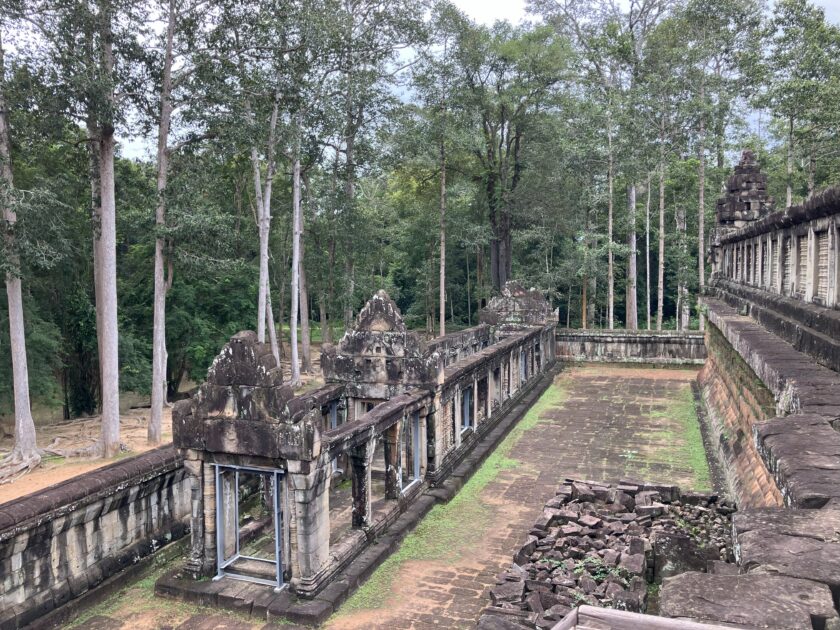
Which Angkor temples actually matter
There are more than a thousand. You will not see them all, and you shouldn’t try. The ones we’d never skip:
Angkor Wat – the largest religious monument on earth, and the only one that faces west. Come at sunrise once, then again in late afternoon when the crowds thin and the bas-reliefs catch the light.
Bayon – 200-odd giant stone faces, all half-smiling. The best temple in the complex for wandering without a plan.
Ta Prohm – the one with the strangler figs. Yes, it’s the Tomb Raider temple. Go early or you’ll queue for the famous root.
Banteay Srei – small, pink, and carved so finely it looks like woodwork. Worth the 40-minute drive.
Preah Khan – huge, half-collapsed, and gloriously quiet compared with the headliners.
Our 3-day itinerary sequences them so you’re never fighting the crowds or the sun, and the one-day route is the ruthless version.
Mistakes we made (so you don’t have to)
Underestimating the heat. Temple-hopping from 11 am to 3 pm in April is a special kind of suffering. Start at 5 am, rest at midday, go out again at four – the local rhythm exists for a reason.
Buying the wrong pass. A one-day pass sounds efficient until you realise Angkor is 400 km² and you’ve booked a sunrise. The 3-day pass is the sweet spot for almost everyone.
Bringing worn dollar bills. We had a $20 note refused three times because of a small tear.
Skipping Battambang. We nearly did, because everyone told us it was “just a stopover”. It ended up being our favourite few days.
Not booking the Kulen day early. The mountain road is one-way, closing to uphill traffic around 11 am – arrive late and your day is over before it starts.
Travelling responsibly in Cambodia
Three things worth knowing. Skip orphanage visits – “voluntourism” has been shown to fuel a trade in children who often aren’t orphans at all; reputable NGOs have campaigned against it for years. Don’t buy from child sellers at the temples, however hard that is in the moment: it keeps kids out of school and the money rarely reaches them. And stay on marked paths in rural areas – Cambodia is still clearing landmines from the war years, and the countryside around Battambang is one of the affected regions.
On the positive side: eating at family-run restaurants, hiring local guides (an Angkor guide typically costs US$30–50 a day and transforms the experience), and buying real Kampot pepper direct from a farm all put money exactly where it should go.
Frequently asked questions about Cambodia
How many days do you need in Cambodia?
Ten days covers the classic route – three or four in Siem Reap for the temples, two in Phnom Penh, and the rest split between Battambang and the southern coast. Two weeks lets you travel it without rushing.
Is Cambodia expensive?
No – it is one of Southeast Asia’s better-value countries. Budget around US$30–50 a day for comfortable mid-range travel. The main fixed cost is the Angkor pass (US$37–72); food, transport and accommodation are all inexpensive.
Do you need a visa for Cambodia?
Most nationalities do. The tourist e-visa costs around US$30 for a 30-day stay and is issued in about three business days – apply only through the official government portal at evisa.gov.kh, as fake visa sites are common.
What is the best time to visit Cambodia?
November to February: dry, less humid, and peak season for good reason. March to May is extremely hot, and the wet season (June–October) brings green landscapes, fewer visitors, lower prices and afternoon downpours.
Is Cambodia safe for tourists?
Generally yes – violent crime against visitors is rare. The usual precautions apply for bag-snatching in Phnom Penh, traffic is chaotic, and scooter accidents are the most common way travellers get hurt. Never walk off marked paths in rural areas due to historic landmines.
Should you use dollars or riel in Cambodia?
Both, and you will barely have to think about it: prices are quoted in US dollars, ATMs dispense them, and riel appears as change for amounts under a dollar. Bring clean, untorn notes – damaged bills are often refused.


