Top 10 Things to See in Battambang
Why Visit Battambang
Battambang may not be as famous as Siem Reap or Phnom Penh, but it offers a very different kind of Cambodian experience. The city has a slower rhythm, a charming mix of French colonial architecture and traditional temples, and an atmosphere that feels more authentic and less touristy.
In this guide, we’ll share the Top 10 things to see in Battambang, plus one extra bonus tip, making it 11 highlights in total. Beyond that, you’ll also find practical advice on when to visit, how to get there, where to stay, what to eat, and the best day trips.

Travelers come to Battambang not just for the sights, but also for the feeling of stepping into Cambodia’s cultural core a place where you can wander along the riverfront, explore hidden art spaces, and enjoy unforgettable sunsets.
History of Battambang
Battambang’s name comes from the Khmer legend of “Bat Dambang Kranhoung”, or the “Lost Stick of Battambang”, which tells the story of a powerful magic staff.
Over the centuries, the city was fought over by both Siam (Thailand) and Cambodia, leaving behind a unique cultural blend.
In the late 19th and early 20th century, French colonial rule transformed Battambang into a thriving trading hub. The elegant colonial buildings along the riverside still echo that era, giving the city its distinct look.
Like much of Cambodia, Battambang endured the tragic years under the Khmer Rouge regime, but in the decades since it has rebuilt itself with resilience.
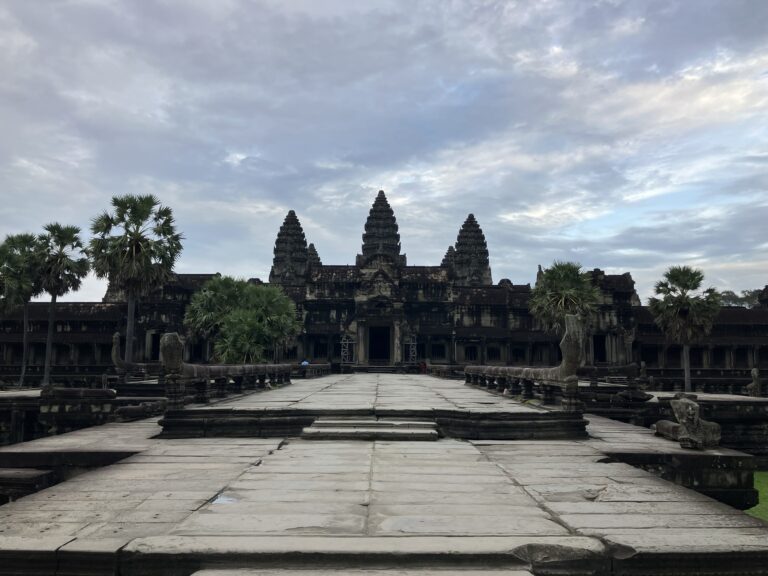
Today, the city is known as Cambodia’s cultural capital, home to art schools, creative projects, and a relaxed lifestyle that attracts travelers looking for something beyond Angkor Wat.
Interactive Map of Battambang
Here you can find an interactive map with all the highlights mentioned in this guide, from ancient temples to lively markets. Use it to plan your visit and make the most of your time in Battambang.
Top 10 Things to See in Battambang
1. Riverside Promenade & Wat Kandal
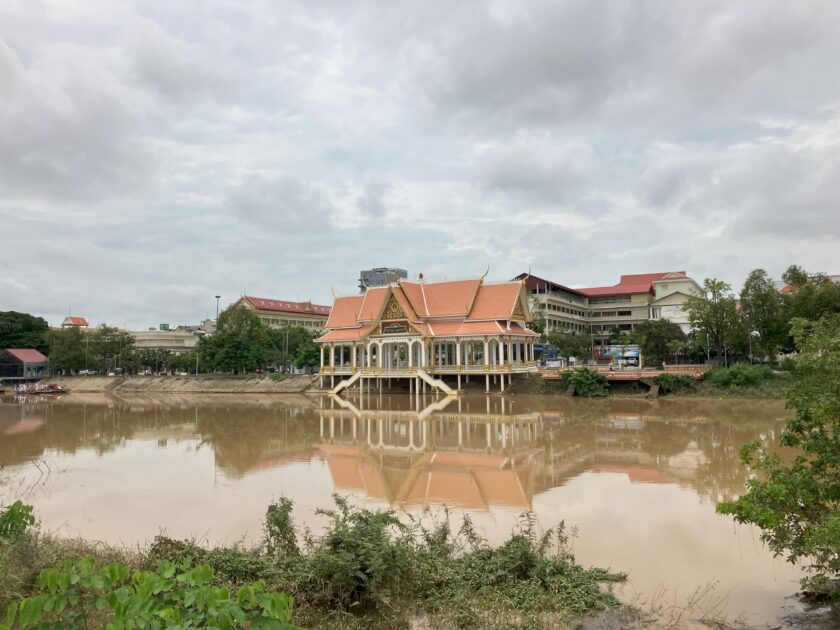
We started our day with a peaceful walk along the riverside. The promenade is lined with colonial-style houses, and life here feels unhurried compared to Siem Reap. Locals gather in the mornings and evenings, which gives the area a lively yet calm energy. Just nearby is Wat Kandal, a small but atmospheric temple that feels very much alive with daily rituals. It’s a perfect place to feel the spirit of Battambang before diving into the rest of the city.
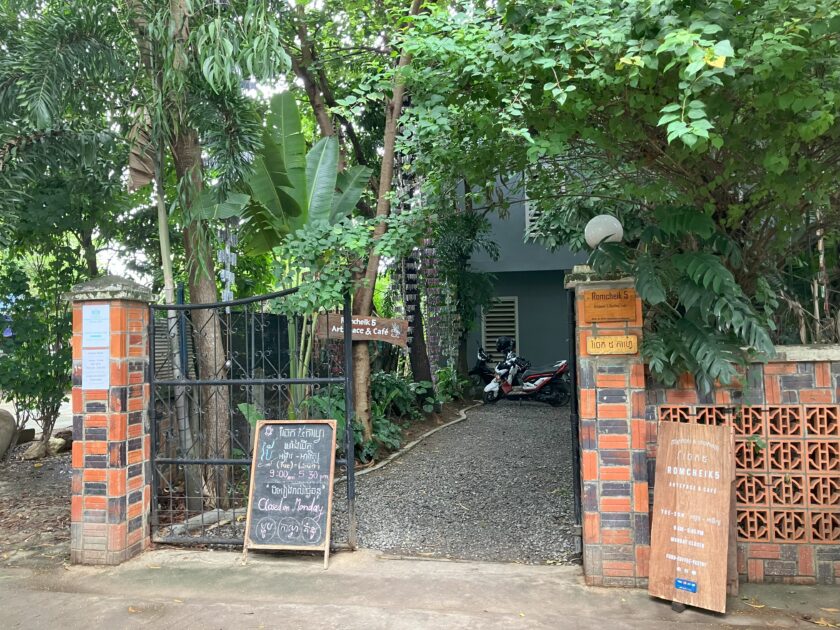
2. Romcheik 5 Artspace & Café
Battambang has a reputation for being Cambodia’s cultural hub, and Romcheik 5 Artspace proves why. This gallery, created by a group of young Cambodian artists, is filled with thought-provoking contemporary art. We spent quite some time here. The combination of powerful exhibitions and the relaxed café atmosphere made it one of our favorite stops in Battambang.
3. Cambodia Peace Gallery
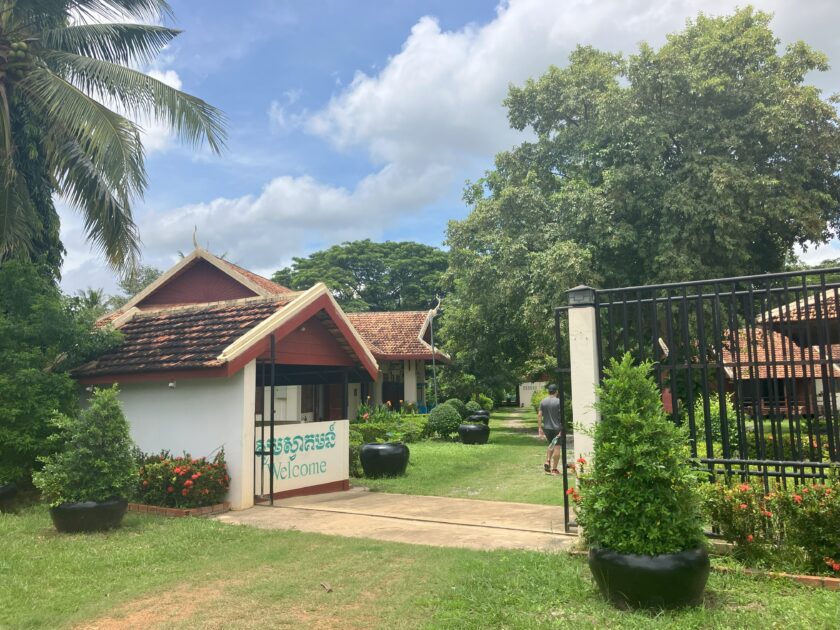
The Peace Gallery is a place that leaves a strong impression. It’s not a typical tourist attraction instead, it tells Cambodia’s story of war, resilience, and reconciliation. Walking through the exhibits was a moving experience, and we left with a much deeper understanding of the country’s history. If you want more than just pretty sights, this is an absolute must-visit in Battambang.
4. Phnom Sampeau & the Bat Caves
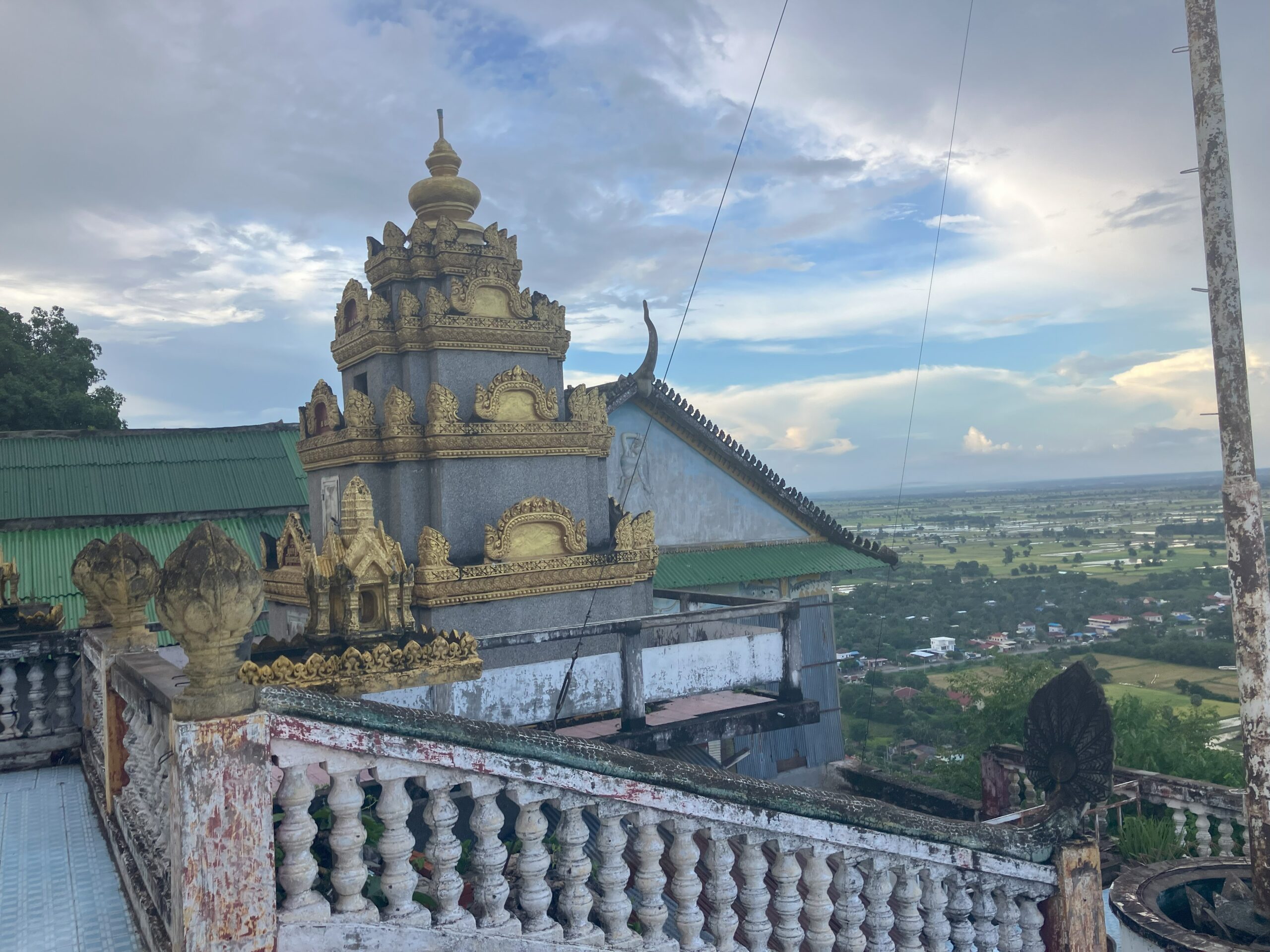
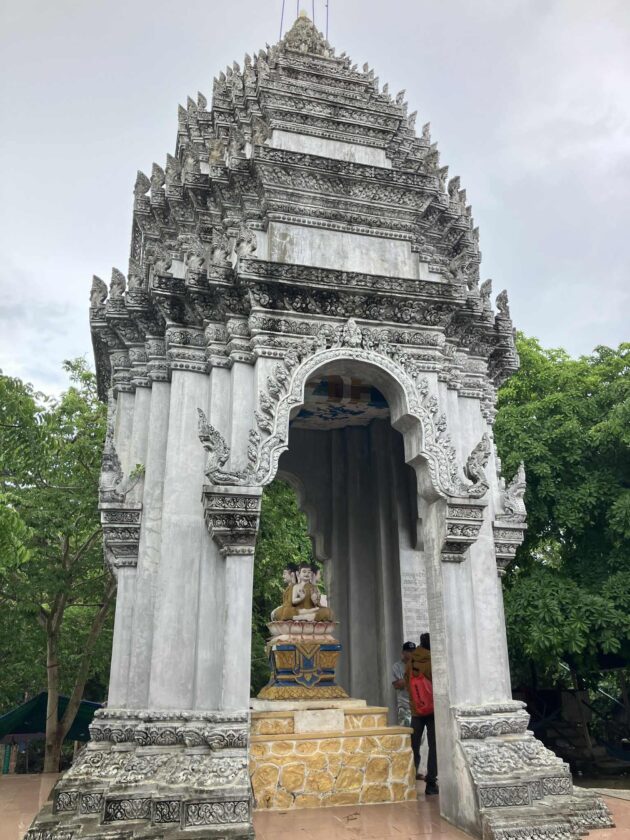
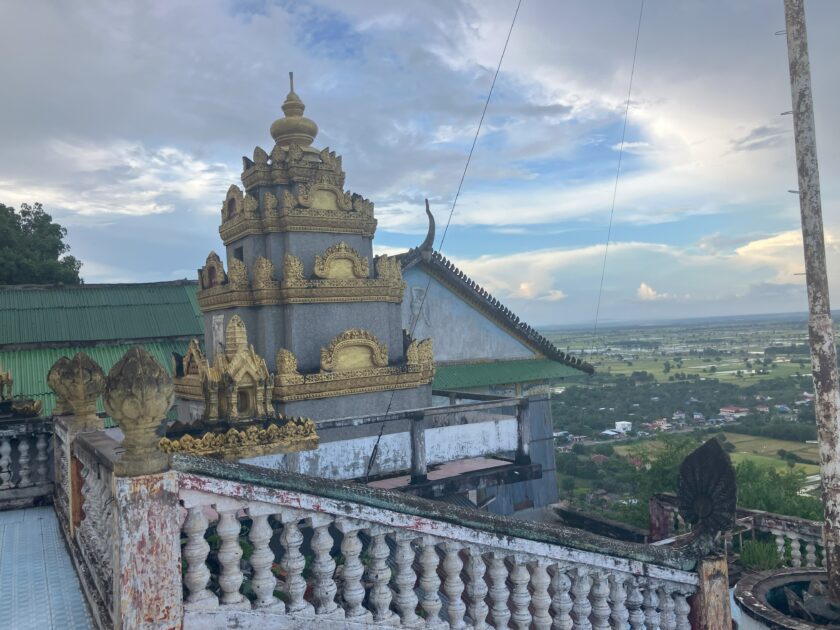
No visit to Battambang would be complete without heading to Phnom Sampeau, a hill that combines history, spirituality, and one of nature’s most impressive shows. The climb up takes you past temples and pagodas, and from the top you get sweeping views across endless rice fields. On the way, don’t miss the Killing Cave memorial, a sobering reminder of Cambodia’s painful history during the Khmer Rouge era.

But the real magic begins at sunset. Just before dark, hundreds of people gather at the bottom of the hill to witness the Bat Caves. As the sun dips behind the horizon, an endless stream of millions of bats pours out of the cave, forming mesmerizing patterns in the sky. The sight lasts for nearly half an hour, and the sound of their wings fills the air — it’s one of those rare travel moments that feels both surreal and unforgettable.
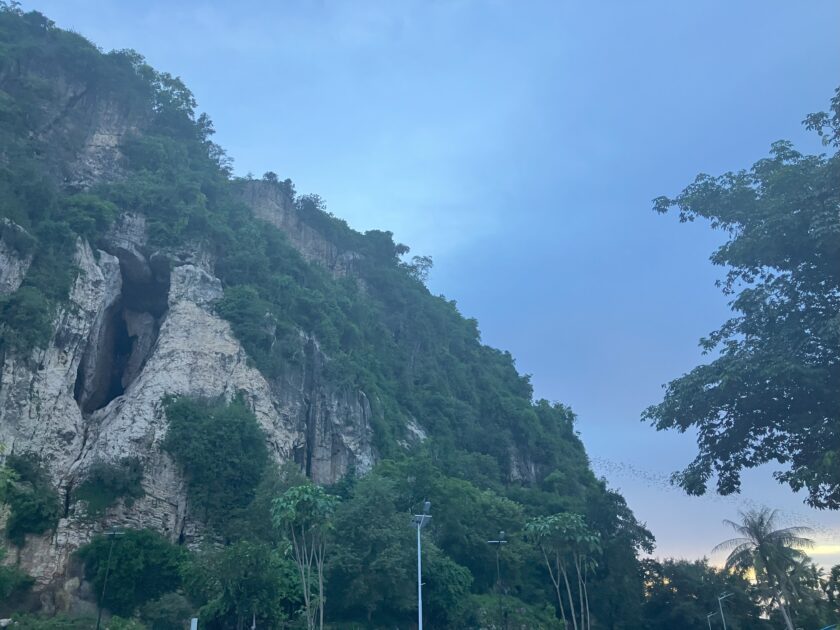
We found ourselves completely absorbed, watching the natural spectacle unfold. It’s more than just a tourist attraction — it’s a raw encounter with nature’s power and a memory that stays with you long after you leave Battambang.
5. Bamboo Train (Norry Railway)
One of Battambang’s quirkiest attractions is the Bamboo Train — a wooden platform on wheels powered by a small motor that speeds along old railway tracks. As you ride through the countryside, rice fields stretch endlessly on both sides, and the wind in your hair makes it a surprisingly fun experience. While it has become more tourist-oriented over the years, it’s still worth trying for the sheer novelty.
6. Wat Banan Temple
Perched on a hill about 20 km south of the city, Wat Banan is often described as a smaller version of Angkor Wat. After climbing nearly 400 stone steps, you’re rewarded with five ancient towers and panoramic views over the surrounding countryside. The temple may be partially in ruins, but its peaceful atmosphere and sweeping vistas make the climb well worth the effort.
7. Phare Ponleu Selpak Circus
Battambang is home to Cambodia’s most famous circus school, Phare Ponleu Selpak. Here, young performers trained in acrobatics, dance, and theater put on high-energy shows that combine artistry with social impact. Watching a performance is both entertaining and inspiring — the school provides opportunities for underprivileged youth and has gained international recognition for its creativity.
8. Ek Phnom Temple & Pagoda
Located about 11 km north of the city, Ek Phnom is a striking mix of old and new. The crumbling remains of an 11th-century Angkorian temple stand beside a massive, brightly painted modern pagoda. The contrast makes it an interesting stop: you can wander through the quiet ruins while also experiencing the vibrant spiritual life of the present-day pagoda.
9. Local Markets – Psar Nath & Night Market
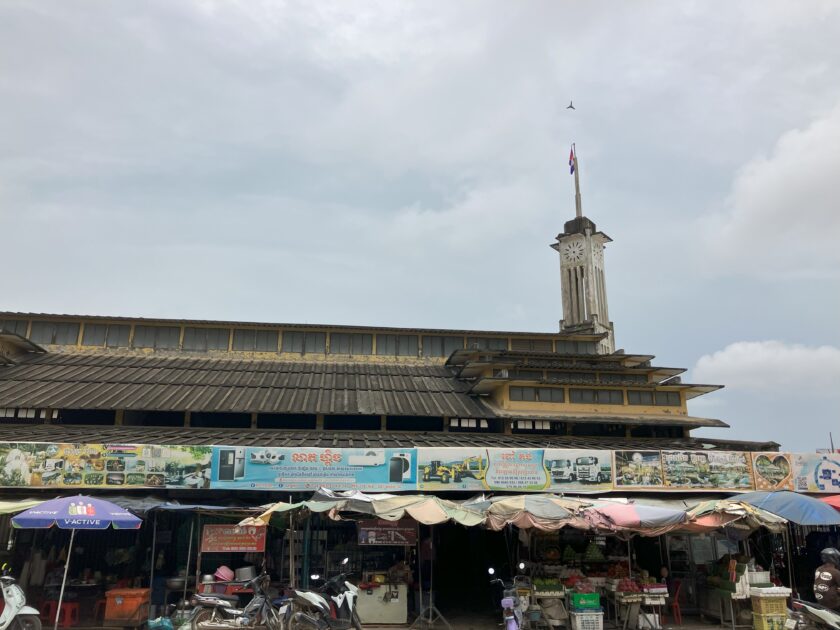
To really feel the pulse of Battambang, head to the local markets. Psar Nath Market is buzzing during the day, filled with everything from fresh produce to household goods, while the night market is the place to try local street food. This is where you can sample dishes like bamboo sticky rice or fried noodles, surrounded by the energy of local life.
10. Sangker River Cruise
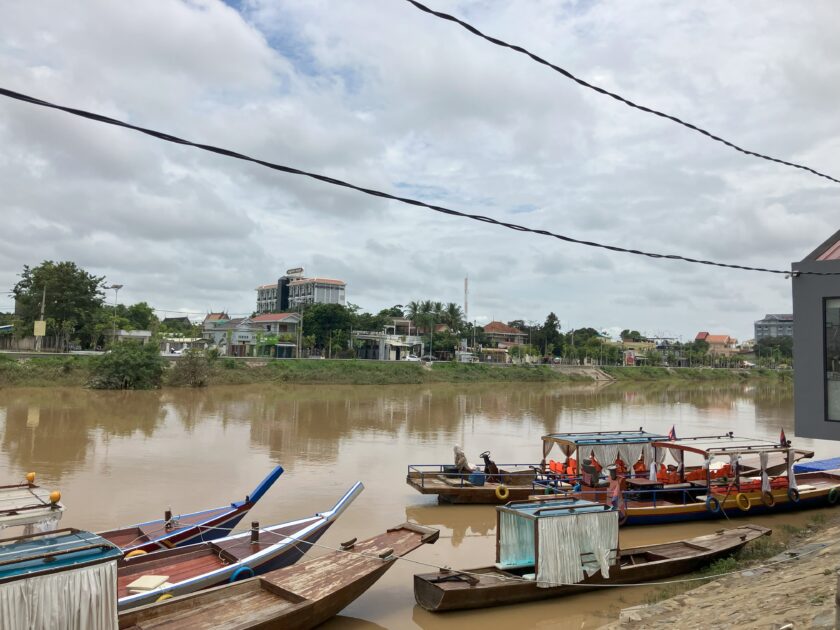
For a slower pace, take a boat trip along the Sangker River. The journey takes you past floating villages, stilt houses, and lush green landscapes. It’s a wonderful way to experience rural Cambodia and get a glimpse into the daily lives of people living along the river. Sunset cruises are especially atmospheric, with golden reflections dancing on the water.
Bonus Tip Number 11. : Lok Ta Dambong Kra Nhoung (The Black Man Statue)
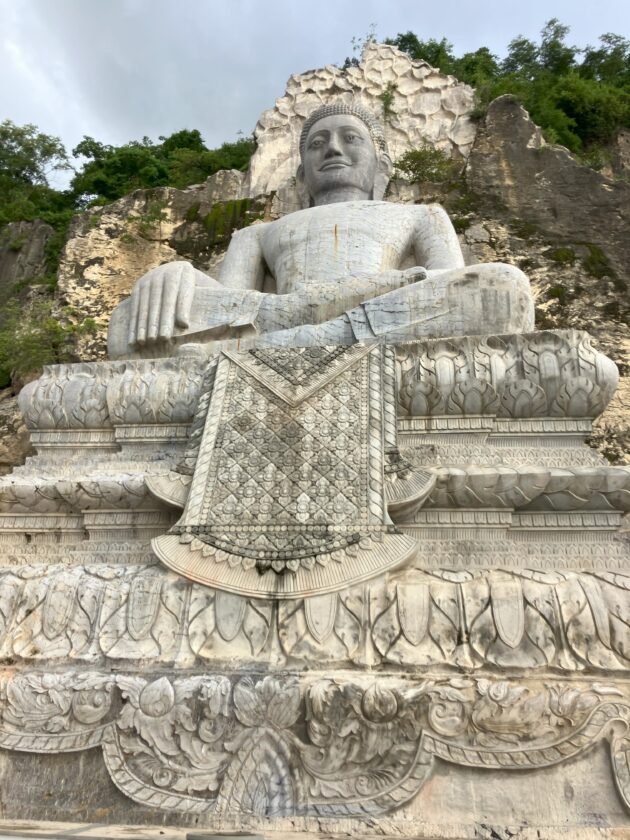
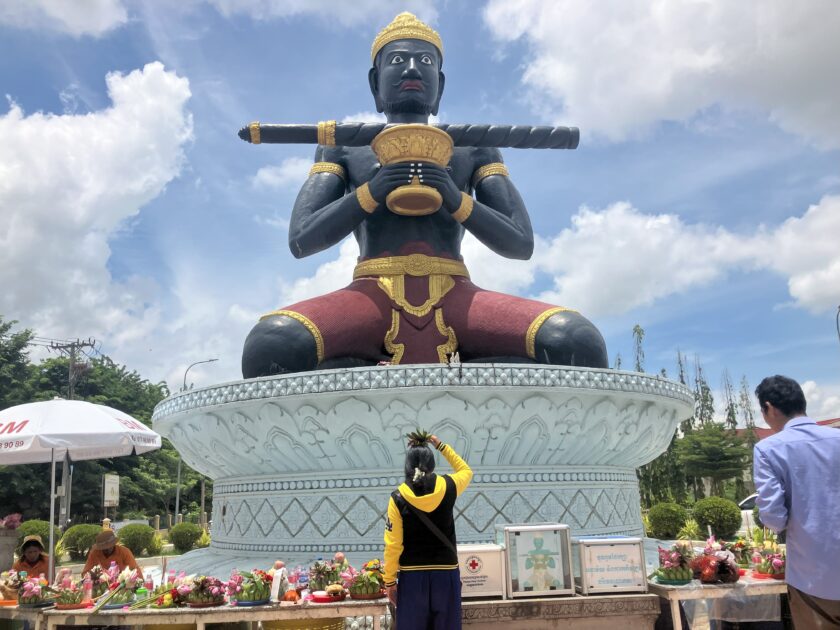
On the outskirts of Battambang stands the giant statue of Lok Ta Dambong Kra Nhoung, often called the Black Man Statue. It represents the legendary figure tied to Battambang’s name — the man who wielded the magic staff, or “dambang”.
We stopped here briefly, and while it isn’t a long visit, it felt special to see such an iconic landmark connected to the city’s myth. Locals often leave offerings, and the site has a spiritual importance beyond its imposing appearance. If you’re passing by, it’s definitely worth a quick stop to connect with the legend behind Battambang.
Best Time to Visit Battambang
We visited Cambodia in August, which is low season. Expect daily midday showers, but the weather stays warm and there’s usually no strong wind. The upside? Fewer tourists, occasional free upgrades at accommodations, shorter lines, and friendlier vibes as locals have more time. If you need a predictably smooth trip, choose high season (November–March); if you’re flexible, low season has great perks.
How to Get to Battambang
We traveled to Battambang from Sihanoukville on a sleeping bus (about $20 per person). The beds were small but clean, and we arrived around 5:00 AM — luckily, our hotel gave us free early check-in, which felt like a gift after the long ride. With Vireak Buntham, you can reach Battambang from most major Cambodian cities, and tickets can be compared via CamboTicket or even booked by messaging companies directly on WhatsApp.
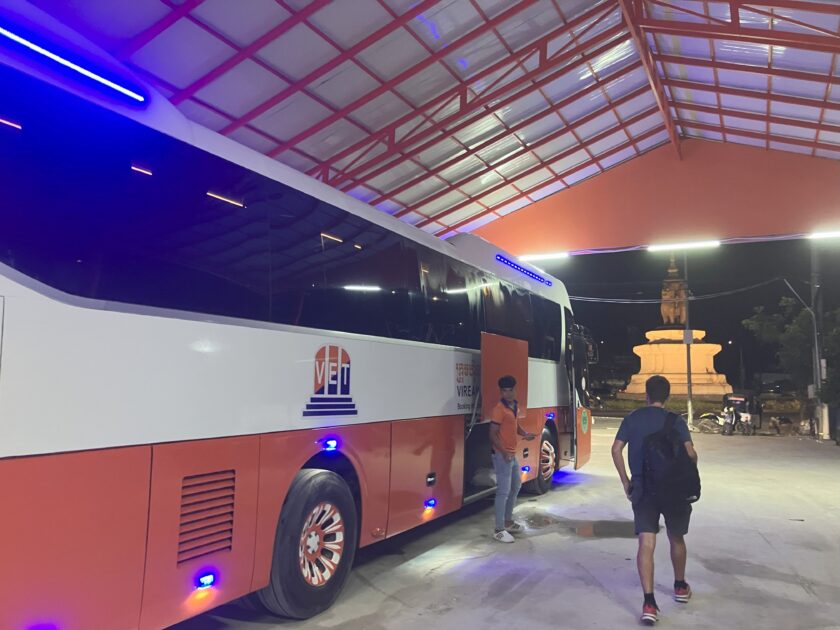
If you’re coming from elsewhere in Cambodia, here are the main routes:
From Siem Reap: The most common journey, taking 3–4 hours by bus or taxi. There’s also a scenic boat ride via Tonlé Sap and the Sangker River, though it’s longer (6–8 hours) and depends on water levels.
From Phnom Penh: Buses and minivans take about 6–7 hours. It’s a longer ride, but comfortable companies like Giant Ibis or Vireak Buntham make it manageable.
From Poipet (Thai border): If you’re crossing from Thailand, Battambang is around 3 hours by bus or taxi from Poipet.
For the detailed story of our own trip, check our article One Day in Battambang
Food & Drinks in Battambang
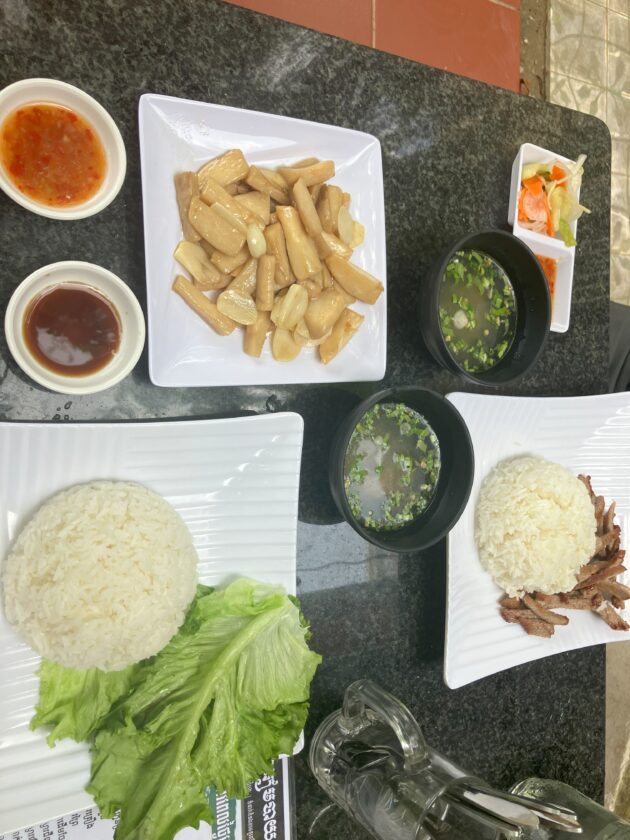
Our food experience in Battambang was simple but memorable. As we shared in One Day in Battambang, we had lunch at Flavors of India, where we ordered chicken korma, paneer, and two iced teas — a tasty but more expensive choice by Cambodian standards. Later, we ate at Chan Restó, where garlic mushrooms with rice and beef with rice cost only about $3.50 in total. It was clean, nicely presented, and delicious.
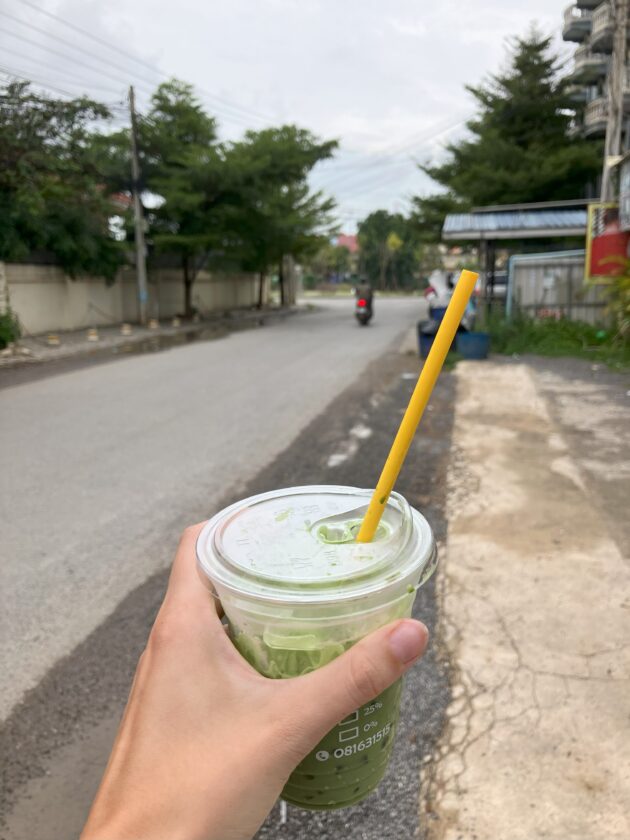
On the way to the Bat Caves, a sudden rain shower caught us by surprise, so we stopped at a small roadside stall, ordered a drink, and waited out the downpour. It was one of those spontaneous travel moments that made the day more authentic.
Beyond our personal experience, Battambang offers a good variety of food options:
Psar Nath Market – the city’s central market is where locals shop for produce, spices, and snacks. It’s also a great place to try quick bites during the day.
Night Market – in the evenings, you’ll find food stalls serving fried noodles, grilled meats, and Cambodia’s famous bamboo sticky rice (kralan) cooked in bamboo tubes. Even if you don’t eat there, it’s worth walking through for the atmosphere.
Street food stalls – scattered along the riverside and side streets, perfect for a cheap, local meal.
Western-style cafés and restaurants – while we didn’t explore them ourselves, Battambang has a growing café scene and international restaurants catering to travelers.
Where to Stay in Battambang
During our visit, we stayed at Muni Residence & Spa, which turned out to be a wonderful choice. The hotel was modern, peaceful, and very comfortable — exactly what we needed after the long bus ride. The staff were welcoming and the location made it easy to explore the city.
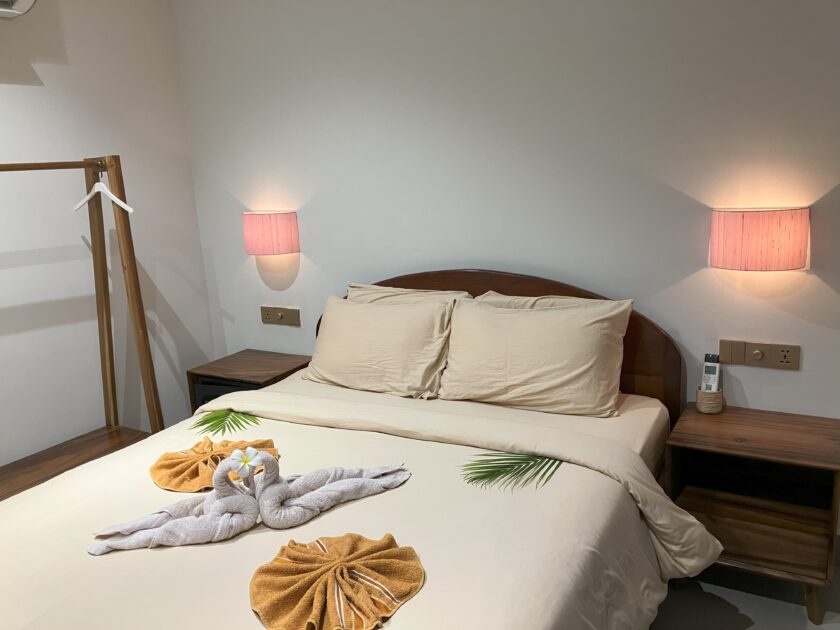
For more accommodation options, check the interactive map above, where you’ll find a range of stays to suit different budgets and travel styles.
Getting Around Battambang
Battambang is compact and relatively easy to navigate. Most attractions in the city center can be reached on foot, but for anything further — like the Bat Caves or Phnom Sampeau — you’ll need transportation.
- Tuk-tuks are the most common way to get around. We used Grab for a ride to Phnom Sampeau and the Bat Caves (around $5 one-way). The ride was smooth, but getting back was trickier — tuk-tuk drivers at the Bat Caves often ask for higher prices. Our tip: either arrange a round trip in advance, or walk about 10 minutes away from the site and flag down a regular priced tuk-tuk back to town, which worked much better for us.
- Walking is fine for the riverside, colonial buildings, and central markets.
- Bicycles are another good option if you want to explore at your own pace, especially the countryside. Some guesthouses and hotels rent them out.
Day Trips from Battambang
One of the best things about Battambang is what lies just outside the city, the surrounding countryside was one of the highlights of our visit. Passing through rice fields, small villages, and quiet roads gave us a real glimpse into everyday Cambodian life.
If you have an extra day, here are some of the most rewarding day trips:
Wat Banan Temple – A smaller Angkor-style temple set on a hilltop, about 20 km south of Battambang. After climbing nearly 400 steps, you’re rewarded with five towers and beautiful countryside views.
Ek Phnom – North of the city, this site combines the ruins of an 11th-century temple with a massive new pagoda. It’s often visited on the same day as countryside tours.
Countryside tours – Many tuk-tuk drivers offer half- or full-day tours that include stops at traditional workshops, where locals make rice paper, rice wine, or woven mats.
Practical Travel Tips
How long to stay: We’d recommend at least 1–2 days in Battambang. One day covers the highlights, while two days let you enjoy the countryside and slower pace.
What to pack: Light, breathable clothes and comfortable shoes for climbing temples or walking around. Don’t forget sunscreen and mosquito repellent.
Money: In Cambodia you can use both US dollars and Cambodian riel. US dollars are accepted almost everywhere, while change is often given back in riel. Keep small bills handy for tuk-tuks and street food.
Safety: We always felt safe in Battambang, even walking after dark. As everywhere, keep an eye on your belongings.
Tuk-tuks: For longer rides like the Bat Caves, agree on a round-trip price or use Grab or Pass App.
FAQ – Battambang Travel Questions
Is Battambang worth visiting?
Yes. Battambang is different from Siem Reap or Phnom Penh — calmer, more authentic, and full of art, history, and countryside charm.
How many days should I stay?
At least 1–2 days. One day for the main sights, two days to also explore the villages and temples outside the city.
Is Battambang safe?
We felt safe the entire time. People were friendly and helpful, and the atmosphere much more relaxed than in bigger Cambodian cities.
Can you visit Battambang in one day?
Yes — and that’s exactly what we did. For details of our personal trip, check out One Day in Battambang.
How far is Battambang from Siem Reap and Phnom Penh?
Siem Reap: around 3–4 hours by bus or taxi. Phnom Penh: 6–7 hours.
What’s the best way to book transport?
We booked our bus online with Vireak Buntham, but you can also compare options on RedBus or book through hotels.
Final Thoughts
Battambang may not have the fame of Angkor Wat or the bustle of Phnom Penh, but that’s exactly its charm. As we shared in One Day in Battambang, the city gave us some of the most authentic and memorable experiences of our Cambodia trip — from the peaceful riverside and moving Peace Gallery to the unforgettable sight of millions of bats taking flight at sunset.
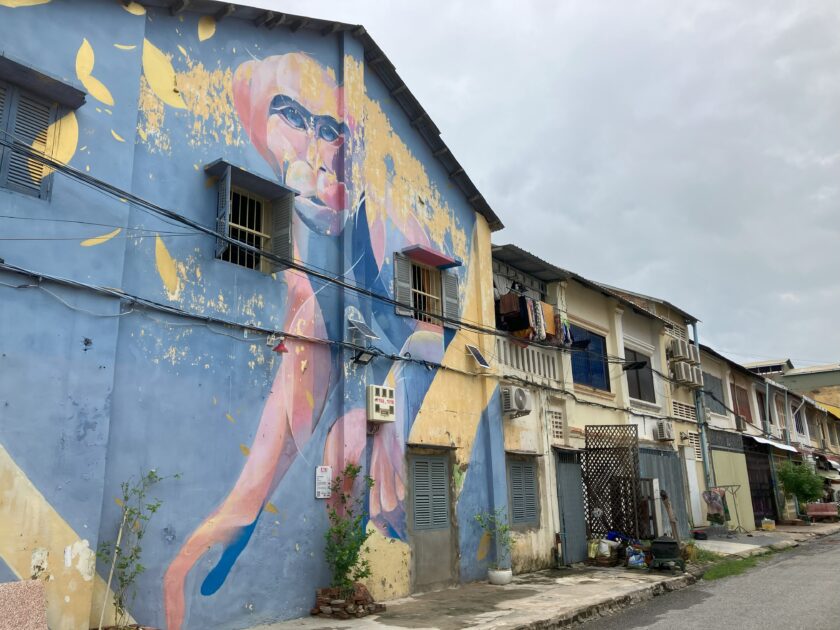
If you want to experience the real Cambodia, slower, more genuine, and deeply cultural, Battambang is the place to go.
Short on time? Our one day in Battambang itinerary picks the essentials. And if Battambang is a stop on a bigger loop, see Phnom Penh in a day and the Angkor Wat itinerary.
Looking for a bed in Battambang? The town is compact and good value – browse what’s available:
Frequently asked questions
How many days do you need in Battambang?
Two full days is the sweet spot: one for the bamboo train, bat caves, and countryside, another for the town itself – art galleries, colonial streets, and the market.
Are the Battambang bat caves worth it?
Very much so. Around sunset, millions of bats stream out of the cliff at Phnom Sampeau in a ribbon that lasts half an hour. Arrive early for a good spot and bring a drink.
Is the bamboo train authentic?
The original is long gone – today’s versions are built for visitors, and the newer track is a purpose-built ride. It is still good fun, and the older Ou Dambong line keeps more of the original character.
Planning the whole trip? Our Cambodia travel guide pulls together every article we’ve written – temples, cities, the south, plus visas and costs.