
3-Day Angkor Wat Itinerary
We spent an entire week exploring the ancient temples and landscapes around Siem Reap from the sacred waterfalls of Kulen Mountains to the pink sandstone carvings of Banteay Srei, the remote ruins of Koh Ker, and the vast Angkor Wat complex itself. During those seven days, we walked through jungle trails, crossed forgotten bridges, and wandered between moss-covered stones that still carry the spirit of the Khmer Empire. This 3 day angkor wat itinerary is based on our 7 day exploration so you will find much information.
While most travelers visit Angkor Wat in just a day or two, we chose to take it slow. We bought a 7-day pass, planned everything on foot (except some tours), and let each temple reveal itself at its own rhythm. That week gave us a deeper understanding of the region and helped us create this 3-day Angkor Wat itinerary for travelers who want to experience the best of it without feeling rushed.
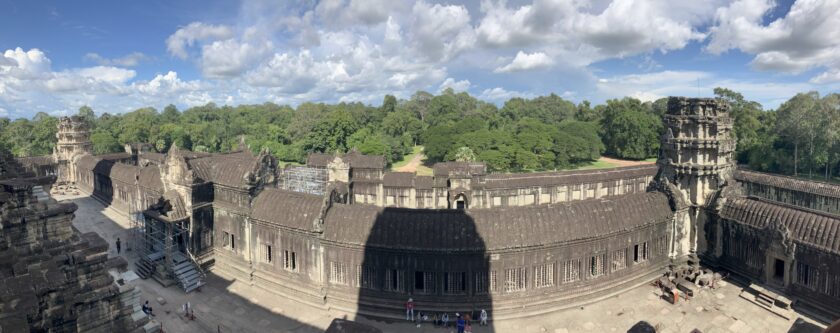
In this guide, you’ll find our personal and also our recommended route for 3 unforgettable days in Angkor Wat Complex and it’s surrounding, covering the main highlights like Angkor Wat, Angkor Thom, Bayon, Baphuon, Terrace of the Elephants, Preah Khan, and Ta Prohm, along with the peaceful beauty of Kulen Mountains or Koh Ker. We’ll share our favorite walking routes, spots, and practical tips for exploring the temples comfortably while truly connecting with the timeless energy of Angkor.
Our 3-Day Angkor Wat Itinerary
Day 1: Kulen Mountains + Evening Angkor Wat
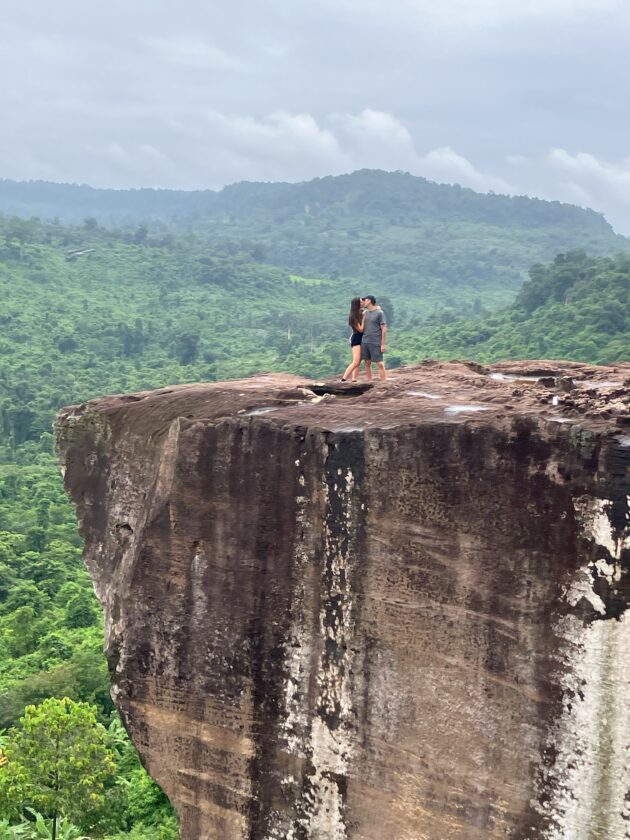
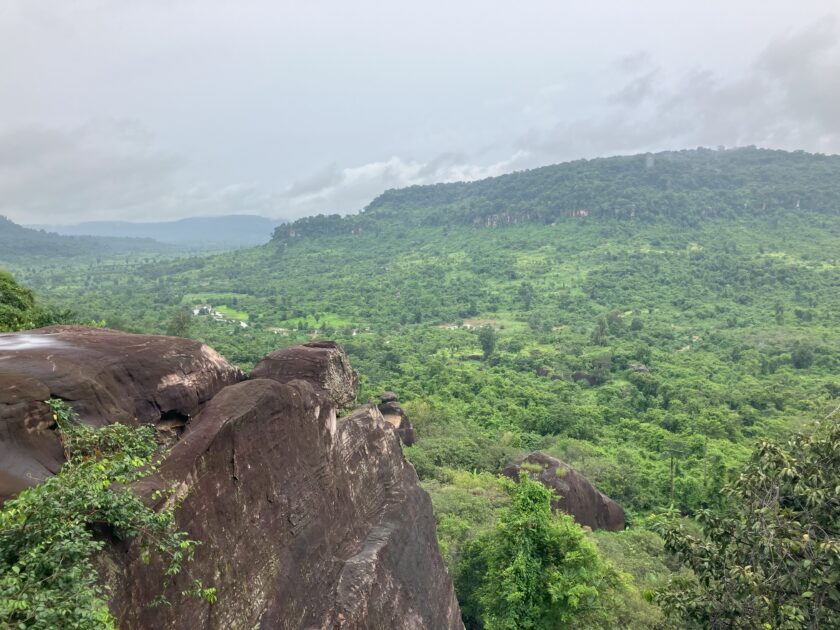
Our first day in Cambodia began early with a full-day trip to Kulen Mountains, a place that feels both deeply spiritual and wonderfully alive. There are more than 85 sites scattered across the mountains that means so many places around. The area is considered sacred, believed to be the birthplace of the Khmer Empire, and it still carries an atmosphere that feels ancient yet untouched.
We started with the famous River of a Thousand Lingas, where carvings of Shiva decorate the riverbed. Our guide explained that the water here has always been seen as holy, believed to bring health and longevity. In the past, locals thought sickness was punishment from the gods, if you got sick, you must have done something wrong. Today they know it’s about bacteria and water quality, but the spiritual connection remains strong. People still come here to drink the water for good health, and to bathe in the streams that flow through the forest.
One of the most peaceful places was the sacred pond, a natural cold spring said to be blessed by the god of immortality, Ahmaka. Even with visitors around, the stillness of the water and the sound of the forest made it easy to understand why this place has been worshiped for centuries.
From there, we continued to a hilltop pagoda, a quiet place surrounded by trees, home to a large reclining Buddha carved directly into the rock. Locals believe that lying on the right side brings peace and balance, while the left side means relaxation and letting go. The air smelled of incense, monks were softly chanting, and people were leaving small offerings of fruit and flowers.
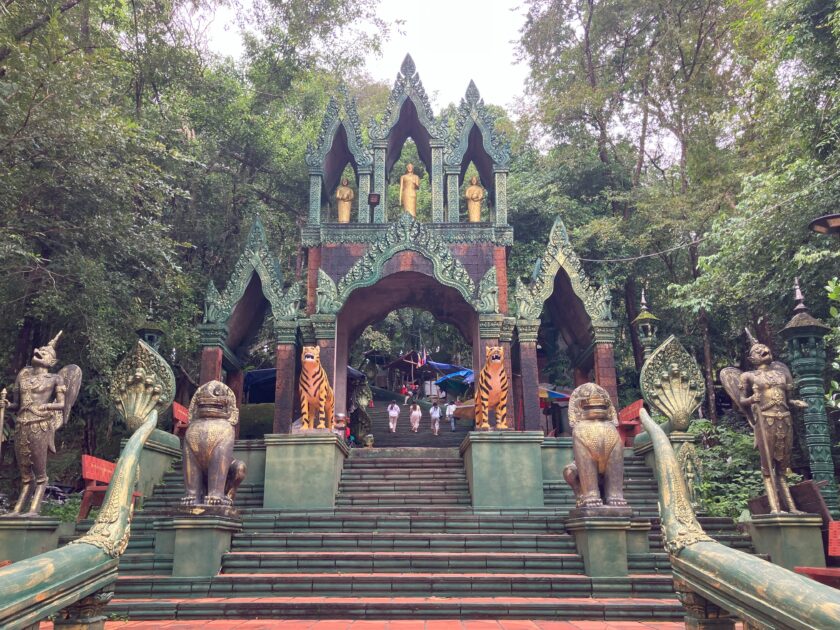
We met monks carrying their alms bowls, and our guide explained that they don’t beg for food, they walk to connect with compassion and humility, a reminder of patience and understanding.
We spent hours exploring, learning about Hindu and Buddhist influences, and how both beliefs intertwine in Cambodia. The park also has small villages, about nine in total, where people live simply and depend on rice, fruit, and cashews from the surrounding land. What we loved most was how life here still follows nature’s rhythm everything grows slowly, without rush.
We ended the visit at the Kulen Waterfall, one of the most popular spots in the park.
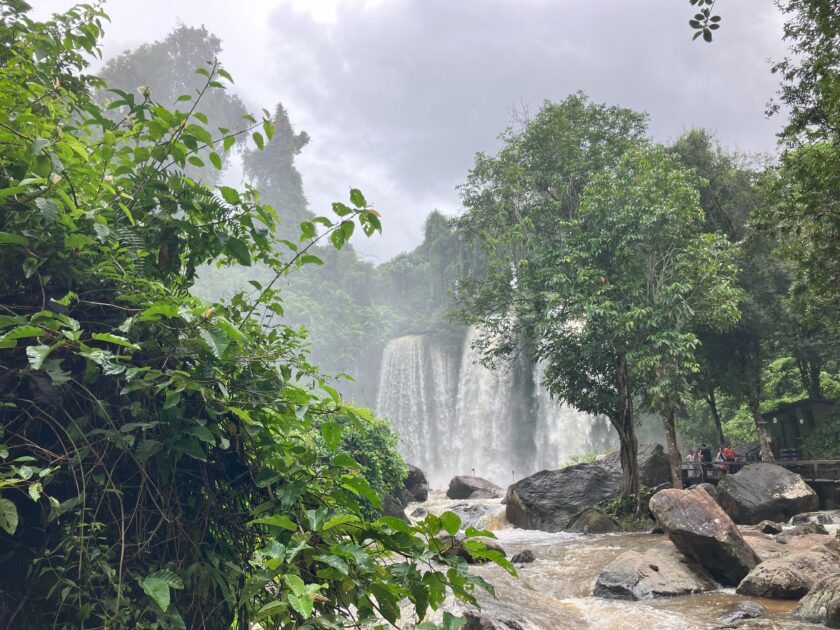
After returning from the mountains, we ended the day with a short evening walk to Angkor Wat. The light was soft, almost golden, and the temples were quieter than during the sunrise crowds. Seeing Angkor Wat in the evening after spending the morning in Kulen felt like the perfect balance.
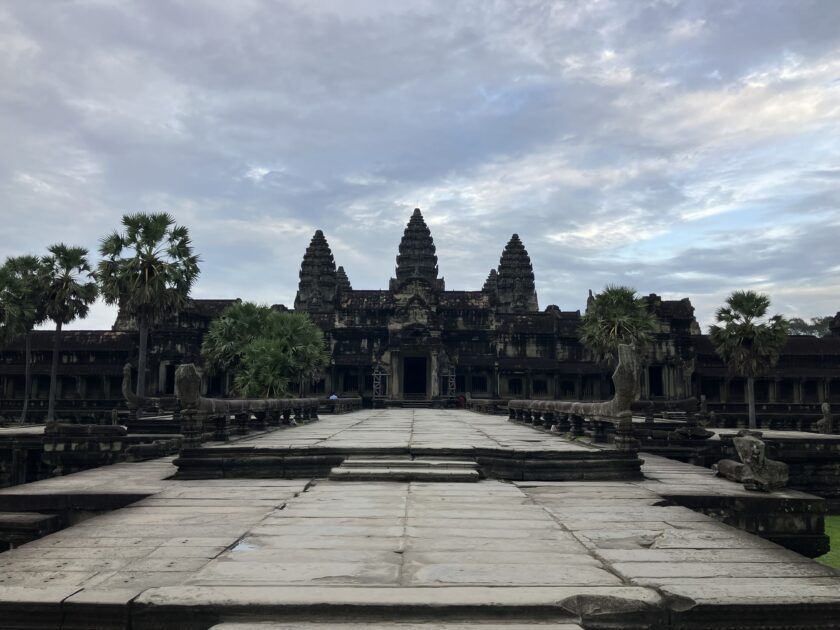
If you want to know more about Angkor Wat, you can check our latest post about.
Day 2: Angkor Thom & Central Temples
Our second day was dedicated to walking through the Angkor Thom area, one of the most fascinating and extensive parts of the Angkor complex. We took a tuktuk booked through the Tada app to get there, which turned out to be almost half the price of Grab. From there, we continued entirely on foot.
We started at Bantey Thom, a remote temple surrounded by forest and water.
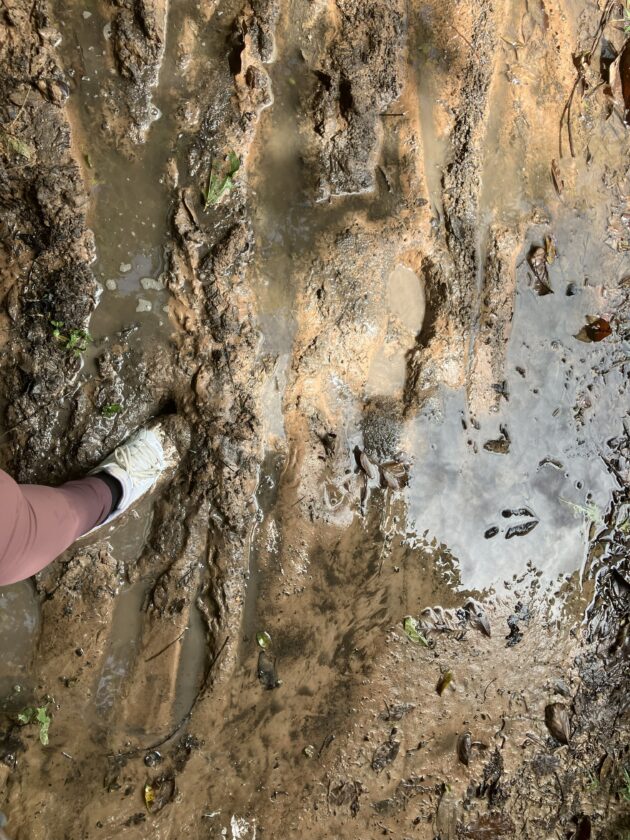
During the rainy season, reaching it can be quite difficult, the path is muddy, and we had to wade through puddles and slippery clay.
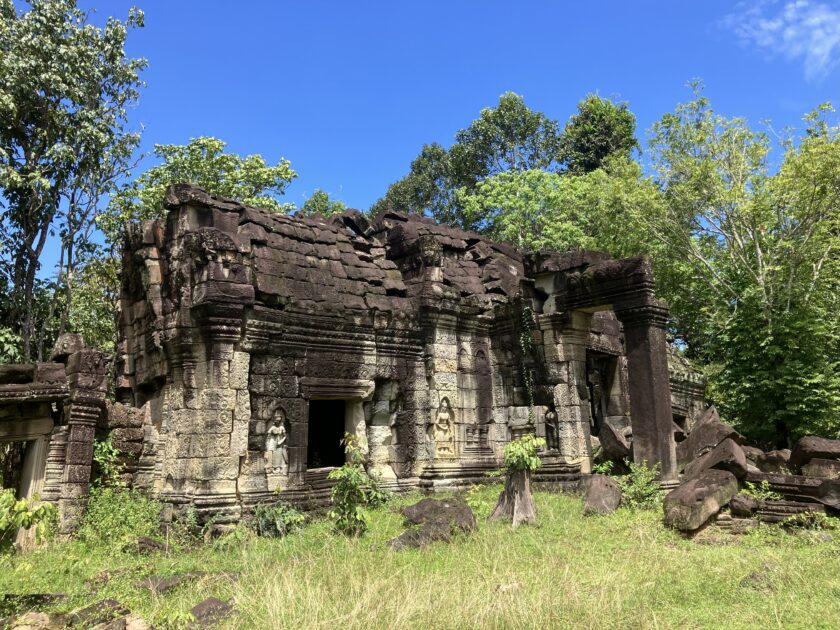
Unless you’re visiting in the dry season, we’d recommend starting your walk a bit later, from Tonle Snguot, where the terrain becomes easier and the route more comfortable.
From there, the path leads naturally from Tonle Snguot, Dei Chhnang Gate, and Prasat Chrung Northwest. The trail continues past Palilay Temple and Prasat Khleang, eventually opening up into the royal heart of Angkor Thom, the Terrace of the Elephants, Phimeanakas Temple, and Baphuon Temple.
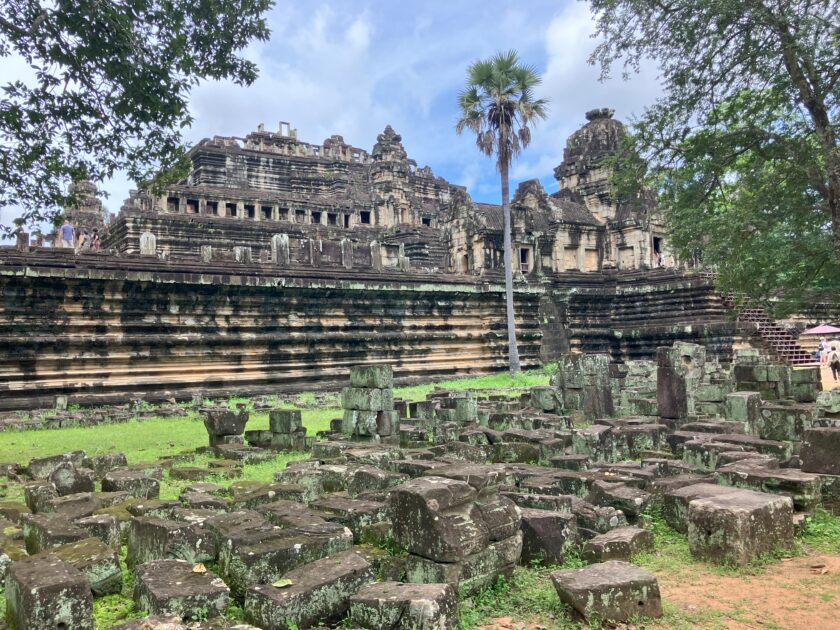
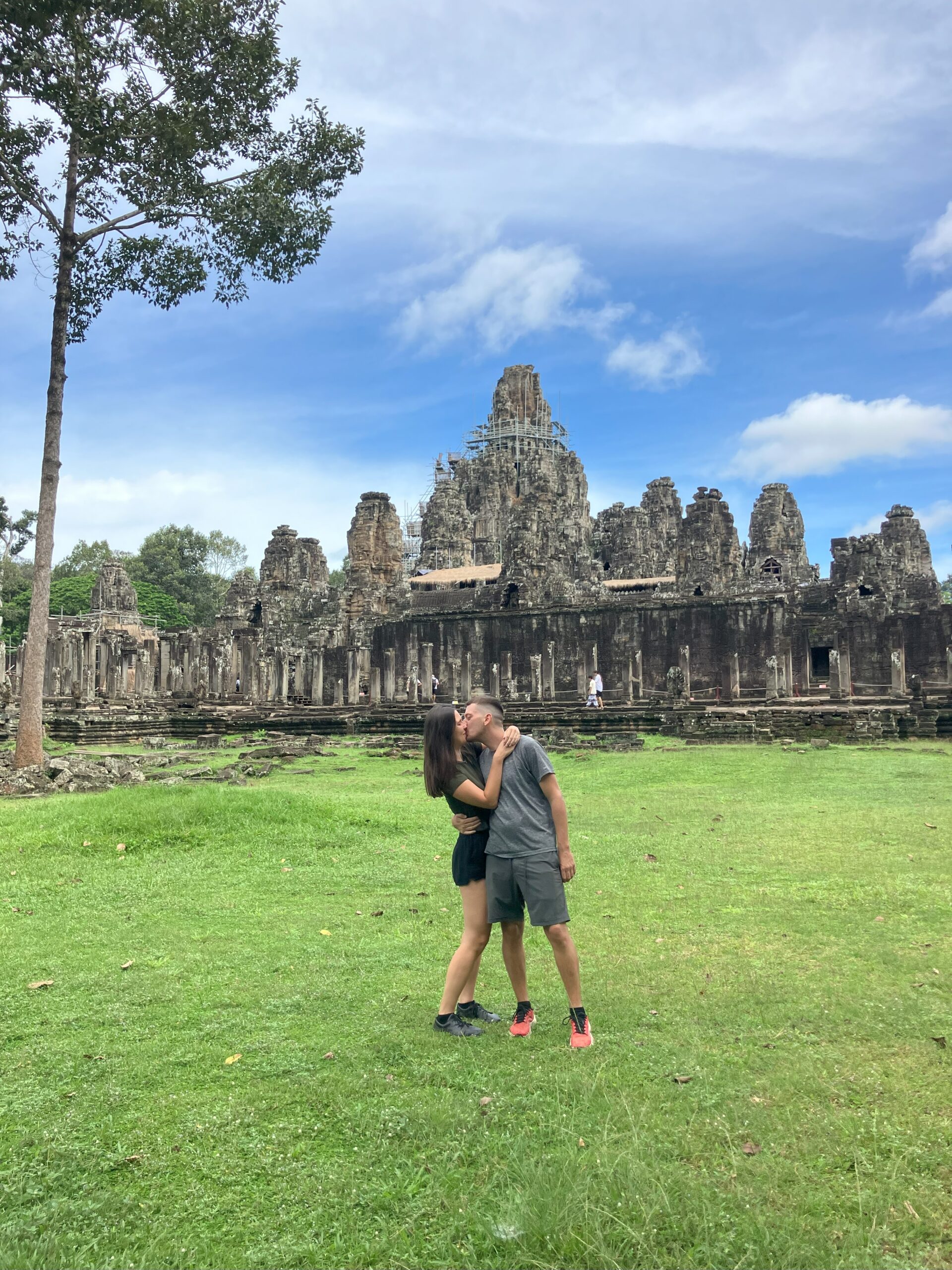
The highlight of the day was Bayon, with its countless calm faces carved into stone towers.
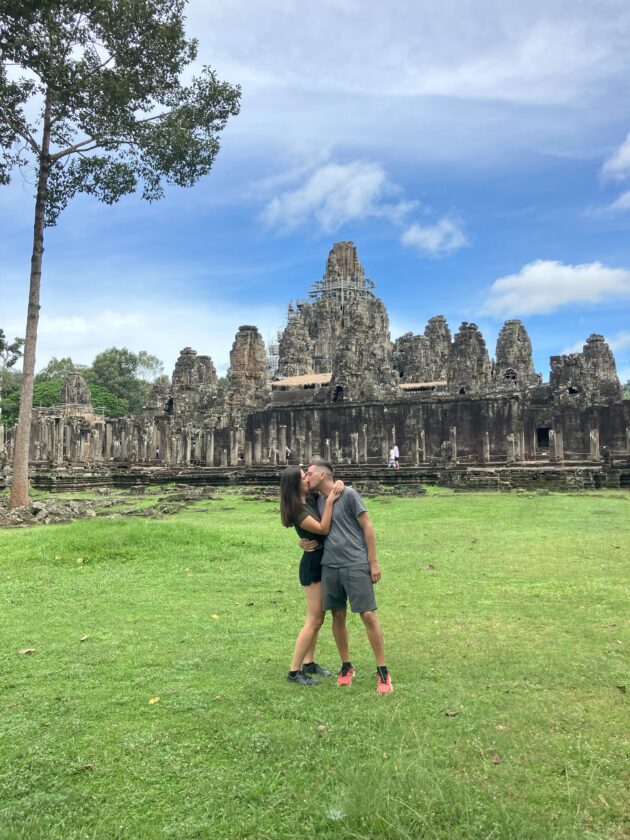
We spent a long time here just observing the symmetry and silence before heading south through the South Gate of Angkor Thom. From there, we passed Baksei Chamkrong Temple and climbed up to Phnom Bakheng Temple, a perfect way to end a long walking day surrounded by ancient architecture and beautiful nature.
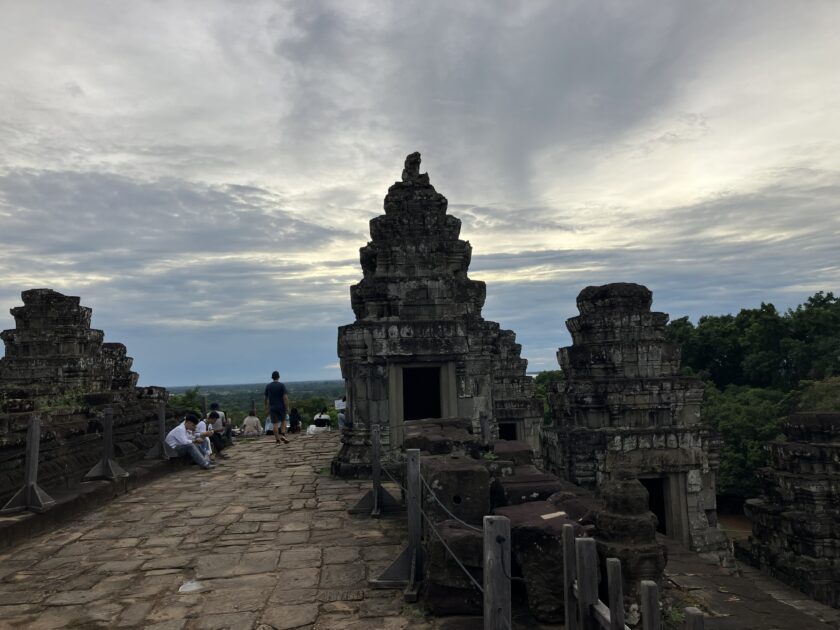
The entire route can be walked in one day if you start early, but it’s physically demanding. Still, seeing how all the temples connect — from the hidden gates to the royal terraces, gives a completely different sense of Angkor’s scale and history.
Day 3: Northern Temples & Hidden Gems
Our third day took us north of the main Angkor Thom area, to a quieter, more peaceful part of the complex. We kept walking, starting early in the morning when the air was still cool and the sounds of the forest replaced the usual temple crowds.
The first stop was Ta Som, a small temple half-hidden under massive tree roots. We loved how nature and architecture blend here, doorways covered in vines, walls slowly fading into the forest. From there, we continued to Krol Ko, a lesser-known but beautiful temple surrounded by silence, and then reached Neak Poan, one of our favorites.
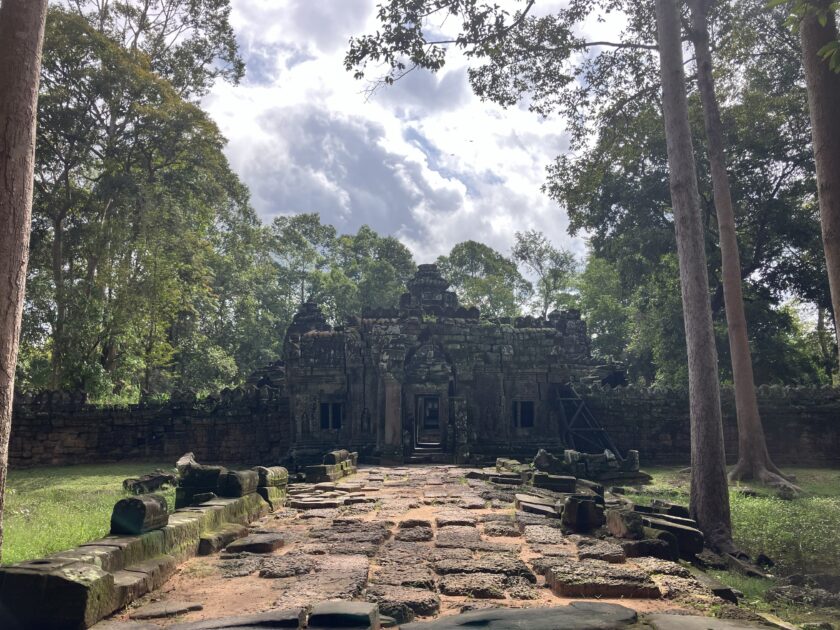
Neak Poan sits on a small island in the middle of an artificial lake. It’s unlike any other temple, calm, symmetrical, and deeply symbolic. The wooden walkway leading across the water felt like stepping into a completely different world. In ancient times, this site was believed to represent healing through the balance of elements, water, earth, fire, air, and space and it still has that peaceful, meditative atmosphere.
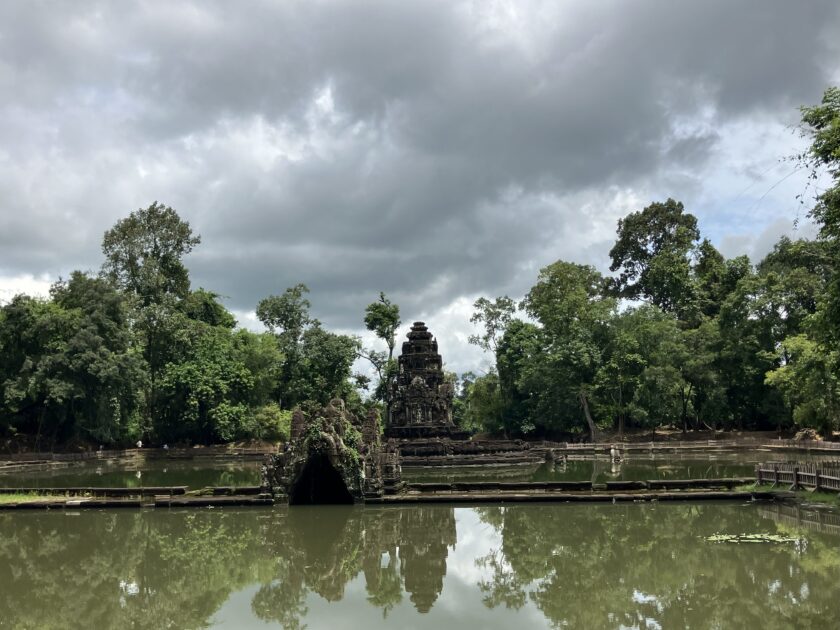
After Neak Poan, we followed the northern path toward Preah Khan, one of the most impressive and expansive temples in the area. Entering through the Northern Gate, we wandered through long corridors. Nearby, we also passed the French Dam, a quiet reminder of how water once shaped and protected this entire landscape.
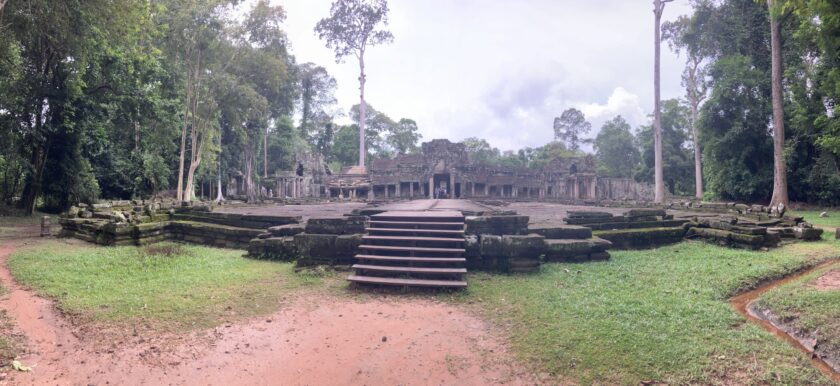
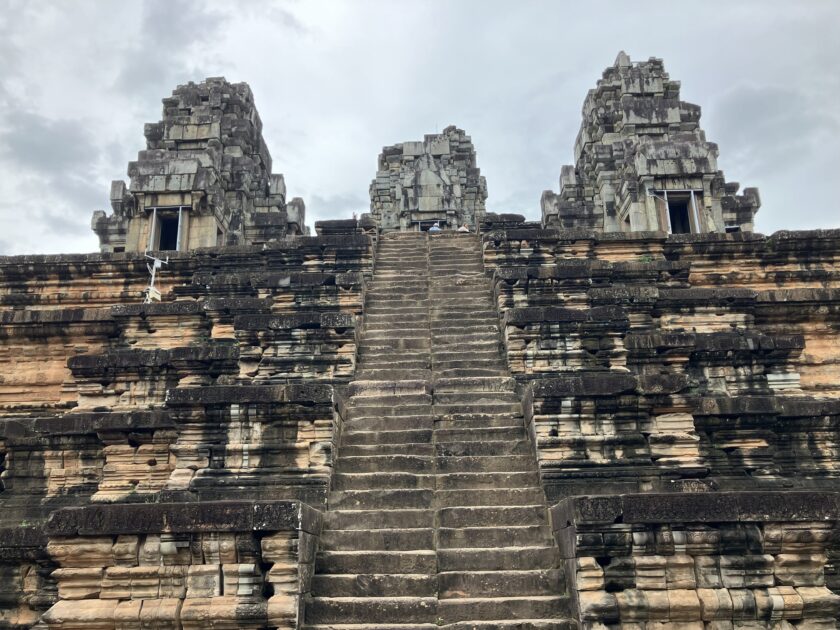
Later in the afternoon, we continued toward Ta Nei, a small hidden temple deep in the forest. Hardly anyone was there, just the sound of leaves and distant birds. Then came Ta Keo, a towering pyramid-shaped temple built for Shiva, and finally the elegant Thommanon Temple, one of the best-preserved structures in Angkor. We ended the day at the Victory Gate, marking the symbolic finish of our three-day walking journey through Angkor’s temples.
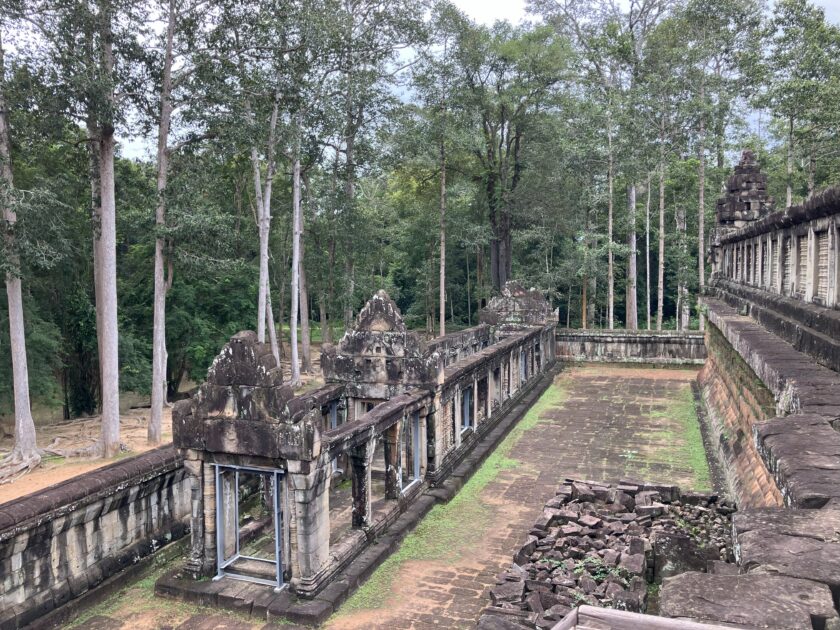
This final route through the northern area is perfect for travelers who enjoy quieter paths and a slower pace. Many of these temples are often overlooked, but walking between them gives you a sense of how vast and connected the entire Angkor region truly is.
Alternative 3-Day Angkor Wat Itinerary (For Those Who Want to See More)
The plan above follows the exact three days we walked through Angkor, slow and authentic. But if you’d like to see and hear more in less time, or simply prefer to mix walking with short rides and guided tours, here’s an alternative 3-day version that covers the main highlights and gives you a broader view of the Angkor region.
If you want to go even deeper, you can also check out our full 7-day Angkor itinerary, where we explored nearly every corner of the complex, including hidden temples and remote sites.
Day 1 – Kulen Mountains + Pub Street Evening
Start your trip at Kulen Mountains, home to the River of a Thousand Lingas, sacred springs, and waterfalls. It’s one of the most spiritual places around Siem Reap and a beautiful introduction to the ancient Khmer world. After returning to town, spend the evening in Pub Street, where you can relax with local food, live music, and the energy of Siem Reap’s night scene.
Day 2 – Angkor Wat Sunset Tour + Ta Prohm
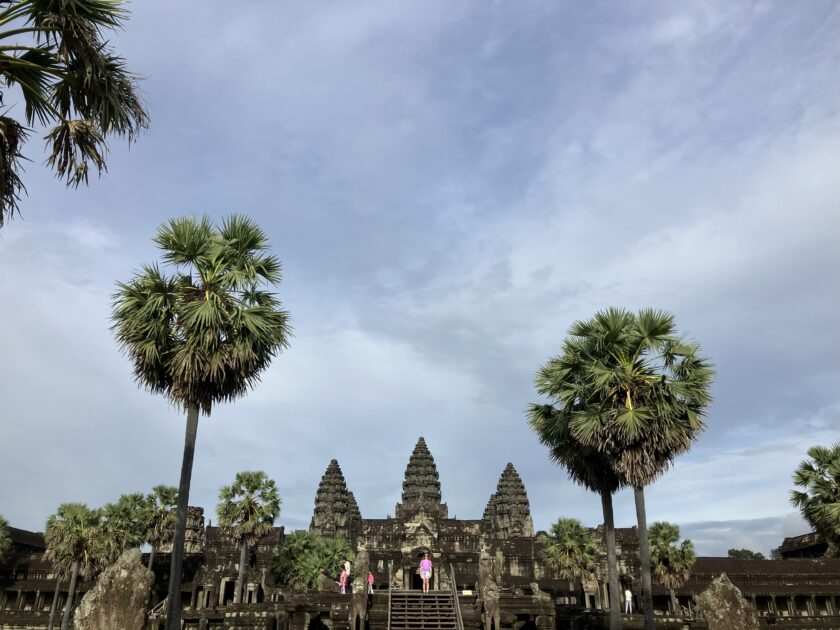
Dedicate the second day to the Angkor Wat complex itself. Visit the main temple and many more, walk through its long galleries, and watch how the light changes over the lotus towers. You can find a detailed one-day route in our Angkor Wat Itinerary where we spent a whole day walking around temples with the tour and get to know much information from the guide itself.
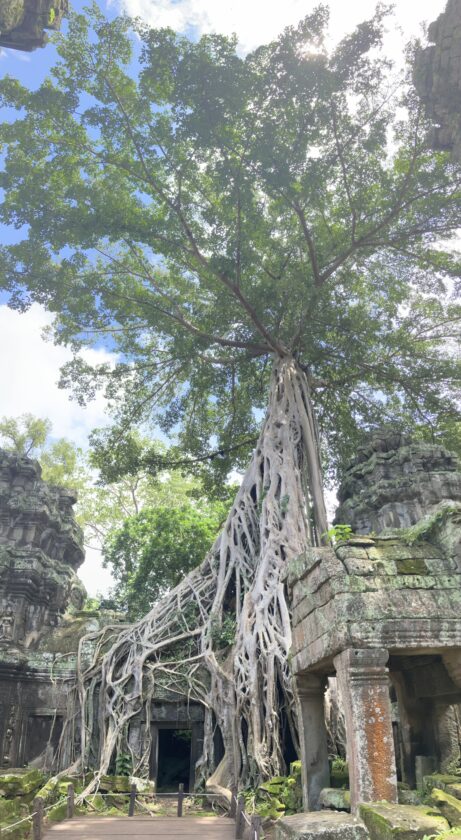
In the afternoon, head to Ta Prohm, one of the most famous temples in the area, known for its giant trees and mysterious atmosphere.
Day 3 – Koh Ker Group Day Trip
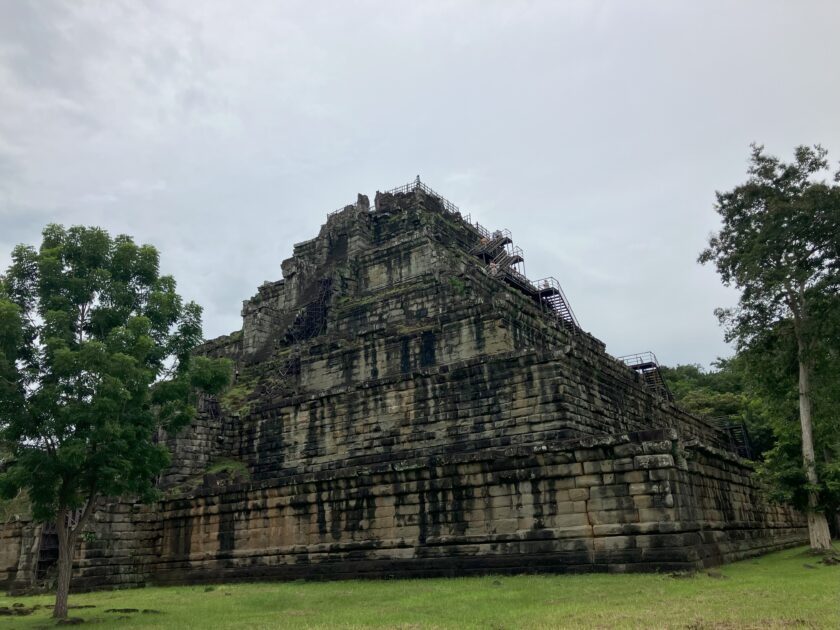
For the last day, take a day trip to the Koh Ker Group, located about 120 km northeast of Siem Reap. It’s a challenging but unforgettable journey that reveals the scale of the Khmer Empire beyond Angkor. Visit the main pyramid-shaped Prasat Thom, the tree-covered Prasat Pram, and several smaller temples scattered around the site. Koh Ker is remote, quiet, and full of atmosphere, perfect for travelers who want to explore something different and less crowded.
Optional Add-ons in your Angkor Wat Itinerary
Evenings in Siem Reap offer a completely different atmosphere after long days spent among the temples. If you still have energy, it’s worth exploring the city, even just for contrast.
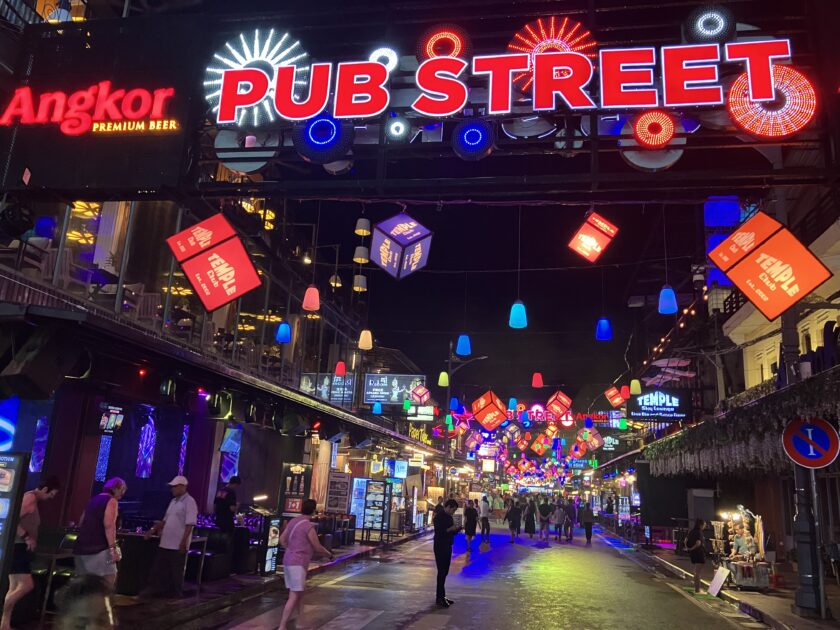
Start with Pub Street, the most famous nightlife area in Siem Reap. It’s loud, colorful, and full of bars and restaurants, a bit too touristy for our taste, but still interesting to see once.
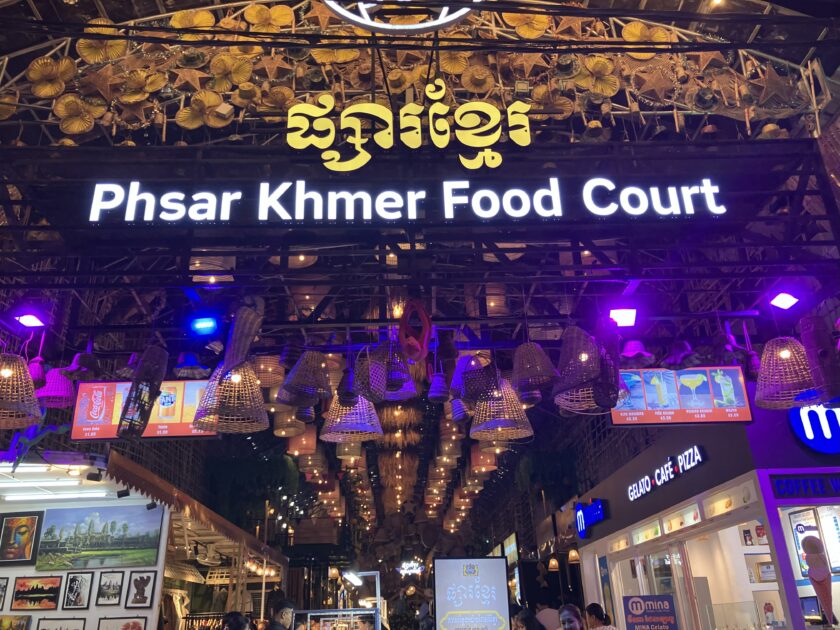
For something more authentic, visit the Angkor Night Market or the Old Market (Psar Chas) or our favourite Phsar Khmer Food court.
One of the best cultural experiences in Siem Reap was Phare, The Cambodian Circus, an artistic performance combining acrobatics, theater, and storytelling by local performers. It’s an inspiring way to spend the evening and supports a meaningful social project you can find similar in Battambang if you are interested.
And after all that walking, a traditional Khmer massage is the best reward. We had one in the city center, and it was exactly what we needed after a week of exploring.
Practical Tips about Angkor Wat Itinerary
Tickets & Entry in Angkor Wat Complex
To visit the Angkor Archaeological Park, you’ll need an Angkor Pass, available only through the official Angkor Enterprise website or at the ticket office in Siem Reap.
Buying from resellers usually costs more and you have the exact same product.
Current prices of Angkor Wat Complex Entrance (checked August 2026):
1-day pass – $37
3-day pass – $62 (3 visit days within a 7-day window)
7-day pass – $72 (7 visit days within 30 days)
The pass includes most major temples, including Beng Mealea, which used to require a separate ticket.
Some organized tours might include some entry fees, so check before booking.
Separate fees apply to:
- Kulen Mountains – $20
- Koh Ker Group – $15
Getting Around Angkor Wat Complex
Most travelers explore Angkor by tuk-tuk, which is the easiest way to move between the temples.
We decided to walk — not the usual choice, but one of the best decisions of our trip. Walking gave us time to slow down, stop anywhere we wanted, and feel the rhythm of the place and moreover, we just like it. 😀
When we needed transport, we used ride apps like Tada and Grab. Tada was usually about half the price of Grab and worked perfectly. PassApp is another option for locals (that means it is even cheaper), but it only works with a local SIM card with
Tuk-tuks booked directly at the temples tend to be more expensive. Planning ahead through an app saves both time and money.
Best Time to Visit Angkor Wat Complex
Angkor can be visited year-round, but the dry season (November–April) is the most popular, which means clear skies, easy access, and plenty of tourists.
We visited during the rainy season, when everything felt more alive. It was warmer and heavier than in the dry season, but the reward was almost no crowds at all.
Most days, the rain didn’t start until the evening, so we could explore almost the entire day without getting wet.
If you don’t mind a bit of tropical rain and hot weather, it’s a wonderful time to visit, Angkor feels quieter, more authentic, and even more timeless.
What to Bring to Angkor Wat Complex
Bring cash and plenty of water. Bottled water is available throughout the complex, but the heat will make you drink more than you expect.
Most small stalls accept only cash, so keep a few small bills on you.
During the hot months, comfortable shoes, sunscreen and a hat are essential. In the rainy season, pack a light rain poncho and always carry a sarong or scarf to cover shoulders and knees when entering temples.
Where to Stay in Angkor Wat Complex
Most travelers stay in Siem Reap, the gateway to Angkor Wat and the surrounding temples. It’s close, convenient, and has everything you might need, from quiet boutique hotels to lively hostels near Pub Street.
We stayed at Villa Sun, a small and peaceful guesthouse tucked away from the city noise. It had a relaxed atmosphere, a small pool to cool off after long days among the temples, and one of the kindest hosts we met in Cambodia. Coming back there after exploring all day felt like a small piece of home.
If you’re still choosing where to stay, check out our interactive map below, where you’ll find some of the best-rated hotels and guesthouses in Siem Reap for every budget.
Frequently asked questions
Is a 3-day Angkor pass worth it?
If temples interest you at all, yes. The 3-day pass costs US$62 versus US$37 for a single day, gives you three visit days within a week, and lets you slow down – sunrise one day, remote temples the next, no forced march.
What should you see on each of the three days at Angkor?
Day one the small circuit (Angkor Wat, Bayon, Ta Prohm), day two the grand circuit plus Banteay Srei, day three something further out – Beng Mealea, Koh Ker, or the Kulen Mountains. Kulen and Koh Ker need separate tickets.
Is Angkor Wat sunrise worth getting up for?
Once – yes. Arrive by 5 am for a spot by the reflecting pool and expect a crowd. On later days, sleeping in and starting at the quieter outer temples is often the better call.
Planning the whole trip? Our Cambodia travel guide pulls together every article we’ve written – temples, cities, the south, plus visas and costs.


