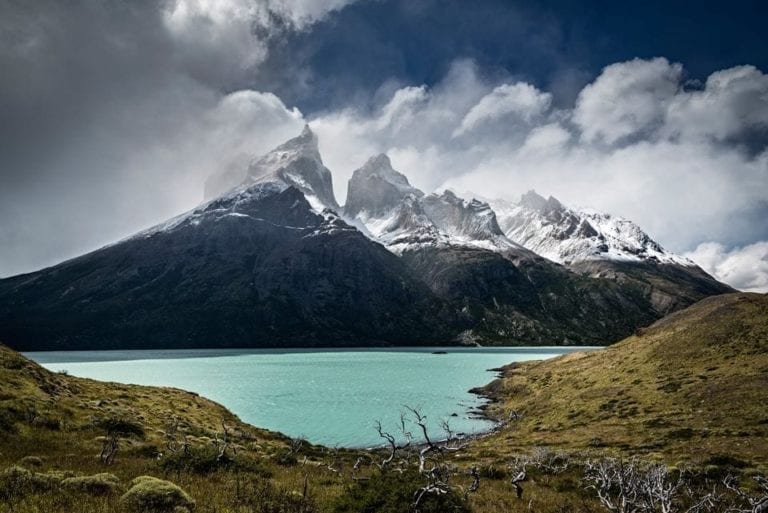
El Chaltén: things to do in Argentina’s trekking capital
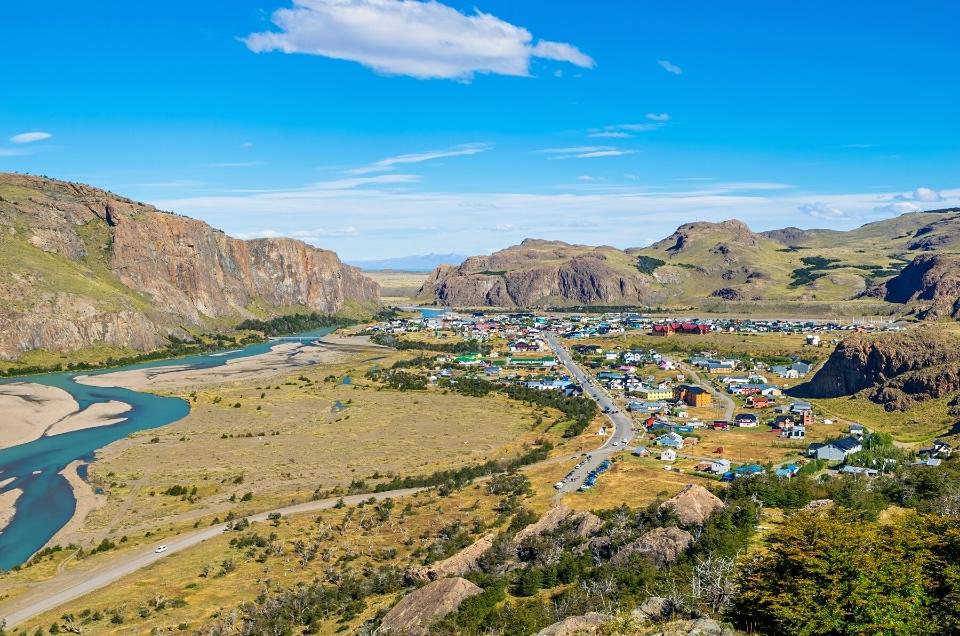
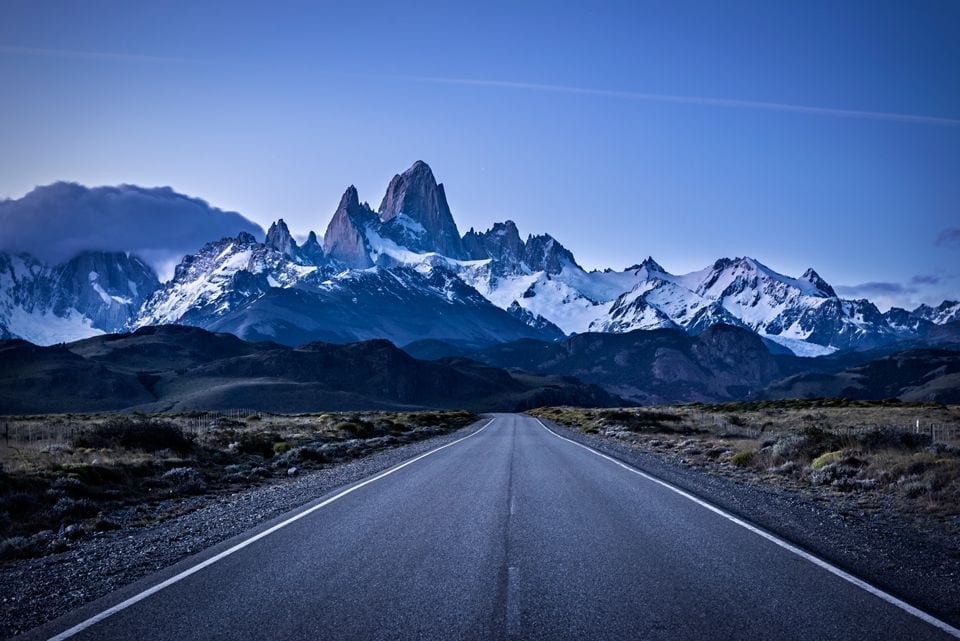
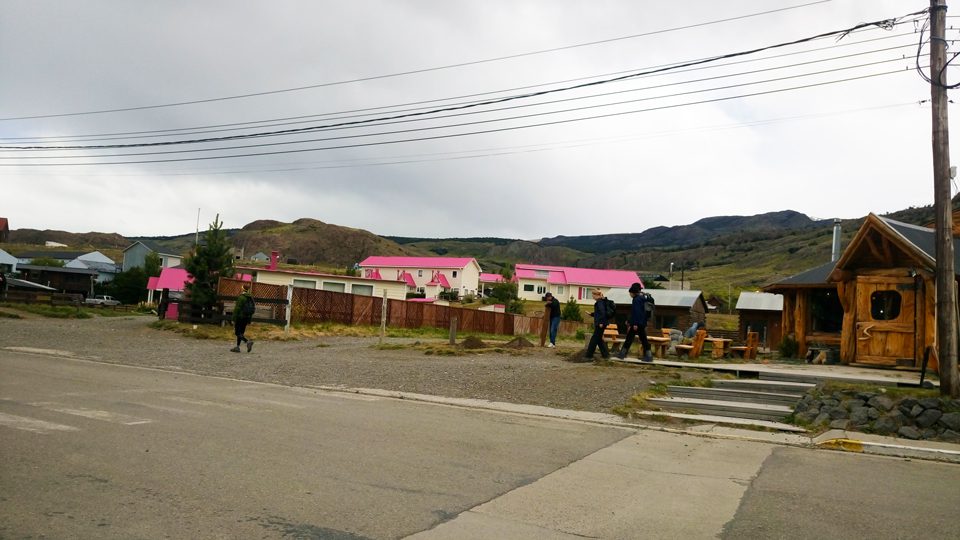
El Chaltén exists for one reason: mountains. Argentina built the town in 1985 mostly to claim the land, and hikers claimed it right back – today it’s the self-declared trekking capital of Argentina, a few streets of hostels, breweries, and gear shops parked directly under Fitz Roy. The trailheads start in town. Here’s everything to do in it, on and off the trails.
Checked in August 2026. This post contains affiliate links – see our affiliate disclaimer.
El Chaltén in numbers
Where: northern sector of Los Glaciares National Park, Argentina
From El Calafate: ~3 hours by bus or car
Population: a few thousand souls and roughly as many trekking poles
Trail fee: ARS 50,000 for foreign visitors (since 1 June 2026) – bought online only, card payment
Time needed: 2–4 days (weather decides, not you)
Cash warning: very few ATMs, and they run dry in season – bring pesos and a card backup
The best things to do in El Chaltén
1. Hike. Obviously.
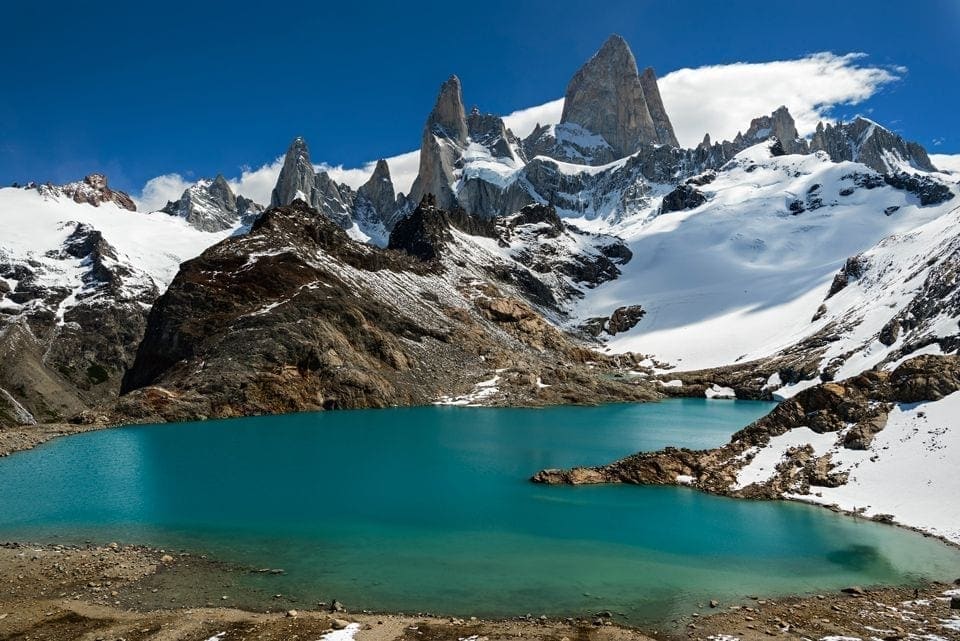
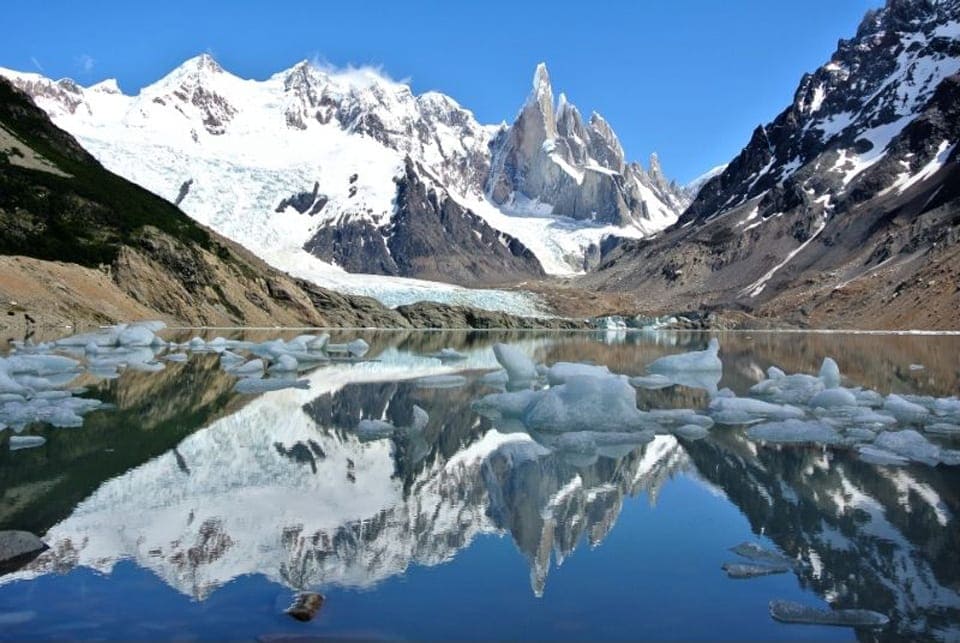
The two marquee day hikes leave straight from town: Laguna de los Tres (the Fitz Roy postcard, hard but worth every step) and Laguna Torre (gentler, with Cerro Torre’s spire and icebergs in the lake). Shorter legs? Los Cóndores viewpoint or Laguna Capri. Our El Chaltén hikes guide breaks down every trail with distances and difficulty – and check elchalten.com for trail status before you commit.
| Hike | Distance | Time | Difficulty |
|---|---|---|---|
| Laguna de los Tres (Fitz Roy) | ~20 km return | 8–10 h | Hard – brutal final hour |
| Laguna Torre (Cerro Torre) | ~18 km return | 6–7 h | Moderate – mostly flat |
| Loma del Pliegue Tumbado | ~19 km return | 7–8 h | Moderate – both massifs in one view |
| Laguna Capri | ~8 km return | 3–4 h | Easy–moderate |
| Mirador de los Cóndores | ~3 km return | 1–1.5 h | Easy – best sunset spot |
2. Sail Lago del Desierto to the Vespignani glacier
A half-hour drive north on a gravel road ends at Lago del Desierto – a fjord-like lake with boat trips across to short hikes and the Vespignani glacier. It’s the quiet, uncrowded counterpoint to the marquee trails, and the drive itself (Río de las Vueltas valley) is half the show.

3. Raft the Río de las Vueltas
The southernmost commercial rafting on the continent – class II–III rapids with Fitz Roy photobombing the whole run. A great rest-day activity when your calves refuse a third summit attempt.
4. Eat and drink your recovery
For a town this size, the food scene punches absurdly above its weight: La Cervecería Chaltén has been pouring post-trek lagers since before it was cool (La Zorra taproom carries the torch for hop lovers), bakeries sell trail-ready empanadas from early morning, and every second menu features locro and Patagonian lamb. Budget tip from our Patagonia food guide: the picadas (shared boards) feed two hikers for the price of one entrée elsewhere.
5. Catch the sunset from the viewpoints
Mirador de los Cóndores (40 minutes, easy) looks back over the whole town with the massif behind – go at sunset when Fitz Roy turns pink and the day-trippers are gone.
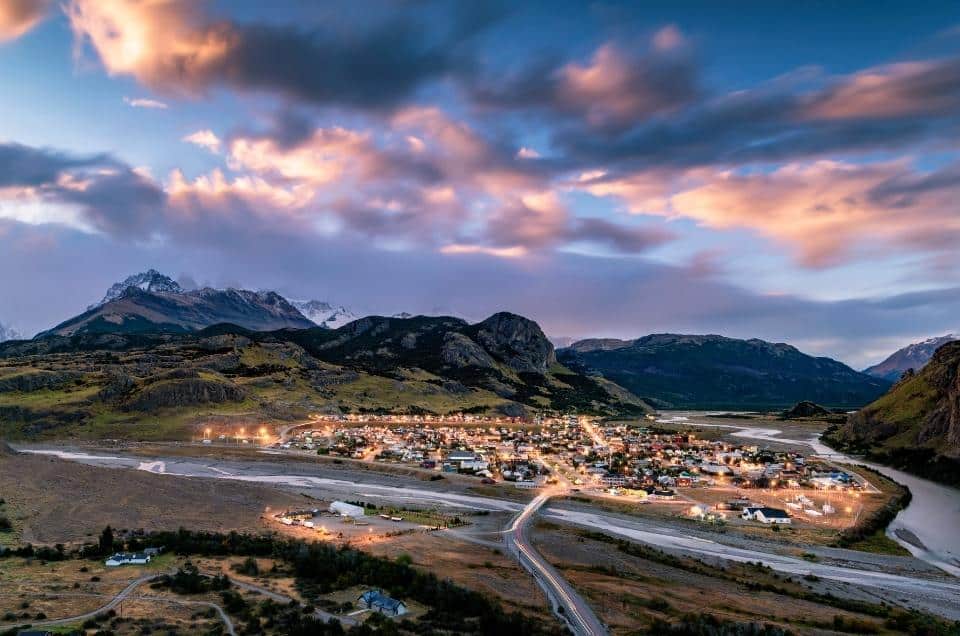
6. Take a rest day (the mountain will still be there)
Fitz Roy hides behind cloud for days at a time, and locals will tell you the same thing: the people who see it are the ones who waited. Rest days here are easy – the Viedma glacier ice trek (the only ice trek in Argentina where you walk on the country’s largest glacier), a horseback ride into the valley, or an afternoon in a brewery watching the weather change five times through the window.

Practical things nobody tells you
Cash is king. Very few ATMs, frequently empty in season. Bring pesos from El Calafate.
Buy your trail ticket before you arrive. Since October 2024 the park charges for trail access here, tickets are sold online only and the trails have no signal – details in the hiking section above.
There is exactly one gas station. The town’s YPF has a single pump, long queues, and occasionally runs out. Fill up in El Calafate or Tres Lagos before you drive – this catches people out every season (see our driving in Patagonia guide).
Wi-Fi is slow and patchy. Download your maps and playlists in advance.
The supermarket is small and pricey. Stock trail snacks in El Calafate if you’re fussy.
Register at the visitor centre. Rangers give free trail talks and current conditions – worth 15 minutes on arrival.
Sample 3-day El Chaltén plan
Day 1: arrive from El Calafate, register at the visitor centre, warm up on Mirador de los Cóndores at sunset.
Day 2: Laguna de los Tres if the forecast is clear – start before dawn to have the lagoon to yourself. Recovery beer afterwards is mandatory.
Day 3: Laguna Torre, or the boat on Lago del Desierto if your legs have opinions. Evening bus onward, or one more night to be safe.
When to visit El Chaltén
November–March is the season; December–February brings the most stable weather windows and the fullest trails. March is our pick – autumn beech colours around Laguna Torre are unreasonably photogenic. Many places close entirely in winter. Wind rules everything always; build a buffer day into any plan that involves Fitz Roy showing its face.
Getting there and around
Buses run from El Calafate (~3 hours) several times daily in season; with a rental car you gain sunrise starts and Lago del Desierto freedom (see our driving guide for the gravel-and-wind briefing). In town, everything is walkable – trailheads included, which is the whole point. Coming from Chile? The 10-day Patagonia itinerary shows how El Chaltén slots in after Torres del Paine.
Where to stay in El Chaltén
Tiny town, huge demand – December beds go months ahead. Browse the live map with current prices:
Or search El Chaltén hotels on Booking.com. Full breakdown with our tested picks: best places to stay in El Chaltén. Apartments with kitchens win for early trail starts.
How long to stay?
Three nights minimum if Fitz Roy matters to you – the mountain hides for days at a time, and the people who see it are the ones who could wait. Pair it with Perito Moreno and El Calafate for the full Argentine side. And because these trails are remote and the weather is genuinely violent, check that your travel insurance covers trekking – we use SafetyWing for long trips like this.
Frequently asked questions
Is El Chaltén worth visiting?
If you like mountains at all – emphatically yes. It has Argentina’s best day hiking straight from town and a shockingly good food and beer scene for its size. Just budget for the trail access fee the national park has charged since 2024.
How many days do you need in El Chaltén?
Three nights minimum, four better. The two marquee hikes need a day each, and Fitz Roy hides in clouds for days at a time – buffer days are how you actually see it.
Do you need cash in El Chaltén?
Yes – there are very few ATMs and they regularly run out in season. Bring Argentine pesos from El Calafate and a card as backup; most restaurants and hotels take cards, but not every small shop does. The trail fee itself is card-only, online.
Is El Chaltén free to enter?
No longer. Since October 2024 Argentina’s national parks administration charges for trail access in the El Chaltén (northern) sector of Los Glaciares. From 1 June 2026 the general rate is ARS 50,000 and Argentine residents pay ARS 25,000. Tickets are sold online only and paid by card – buy before you leave El Calafate.