
How Much Does a Trip to Japan Cost? Our 2026 Budget Breakdown
Japan has a scary reputation: bullet trains, robot restaurants, hundred-dollar melons. Then you land, order a spectacular bowl of ramen for 1,000 yen, and realise the reputation is about fifteen years out of date. With the yen as weak as it has been in decades, Japan in 2026 is one of the best-value destinations we have ever travelled.
These are not internet numbers. We re-checked every price in this article in August 2026 against official sources and our own receipts from travelling the classic route: Tokyo, Hakone, Kyoto, Hiroshima and Miyajima. Here is what Japan really costs, per person, without international flights.
The short answer
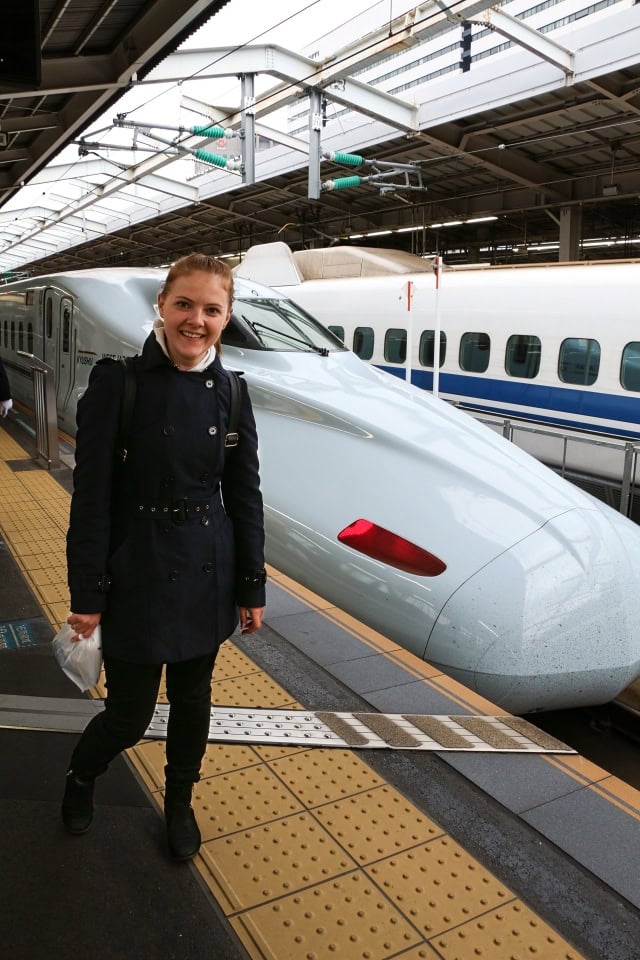
- Backpacker: 8,000 to 12,000 yen a day (hostel bed, konbini breakfasts, ramen and set lunches, free temples and viewpoints).
- Our style, low-cost but comfortable: 15,000 to 22,000 yen a day (business hotel double split two ways, one proper restaurant meal daily, the sights you actually came for).
- Comfortable with splurges: 25,000 to 40,000 yen a day (nicer hotels, kaiseki nights, taxis when it rains and a ryokan stay without wincing).
For a full 10-day trip on the middle tier, that lands at roughly 190,000 to 280,000 yen per person (about 1,200 to 1,800 USD) including the JR Pass, exactly what our 10-day Japan itinerary budgets out to in detail.
Trains: the one big ticket
The 7-day Japan Rail Pass costs 50,000 yen, and rises to 53,000 yen for passes bought from October 1, 2026, so if your trip is on the horizon, buying before the end of September is free money. Whether it pays off depends entirely on your route: we ran the honest math in our JR Pass review, and on the classic multi-city route it roughly breaks even while buying you enormous convenience. Tokyo-and-Kyoto-only trips are cheaper on single tickets.
Inside cities, forget passes: an IC card (Suica or Pasmo, on your phone) at 800 to 1,000 yen of rides per day covers Tokyo, and Kyoto buses charge a flat 230 yen. Regional deals like the 7,100-yen Hakone Freepass handle the day-trip areas.

Sleeping: cheaper than you think, weirder than you hope
- Hostels and capsules: 3,000 to 5,000 yen. Japanese hostels are spotless, and one capsule night is an experience in itself.
- Business hotels: 8,000 to 14,000 yen for a compact double. Chains like Dormy Inn throw in an onsen bath; our picks are in the Tokyo, Kyoto and Hiroshima guides, each with a live price map.
- Mid-range hotels: 12,000 to 18,000 yen for a double near the station, which is where we usually land.
- The ryokan night: 15,000 to 50,000 yen per person with kaiseki dinner and breakfast. Not a place to save; the ryokan experience was the best money we spent in Japan.
Food: the best value in the developed world
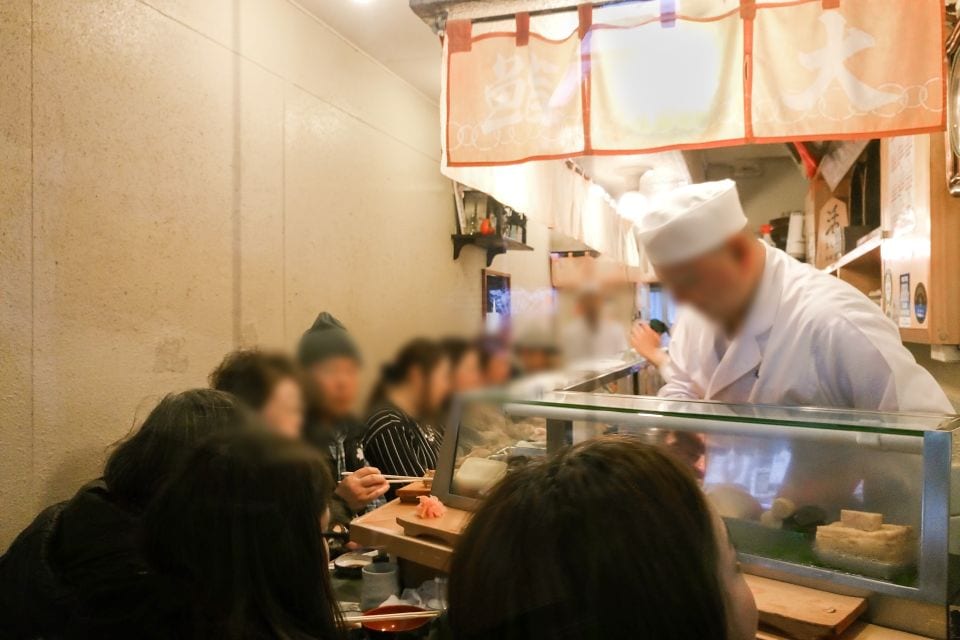
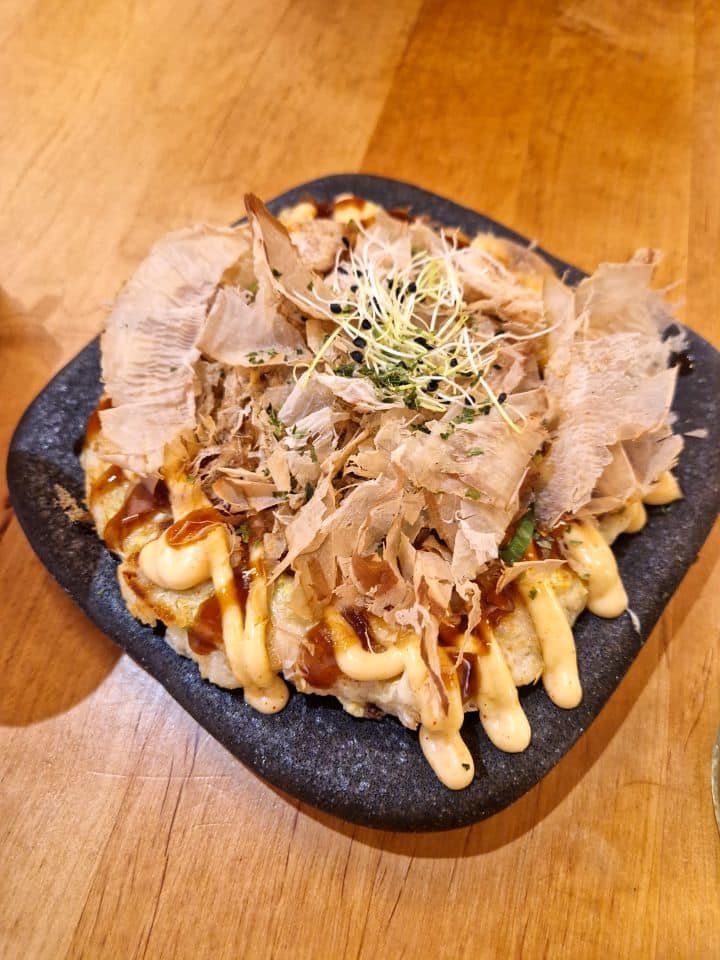
This is where Japan quietly demolishes Europe. A 1,000-yen lunch in Japan is not a compromise, it is often the best meal of the week. Konbini breakfast 400 to 600 yen, superb ramen 900 to 1,200 yen, teishoku set lunch 1,000 to 1,500 yen, izakaya dinner with a beer 3,000 to 5,000 yen. Conveyor-belt sushi from 120 yen a plate. The nine dishes worth planning around are in our famous Japanese food guide, and the food culture rules keep you from paying the tourist tax in embarrassment.
Sights: mostly pocket change
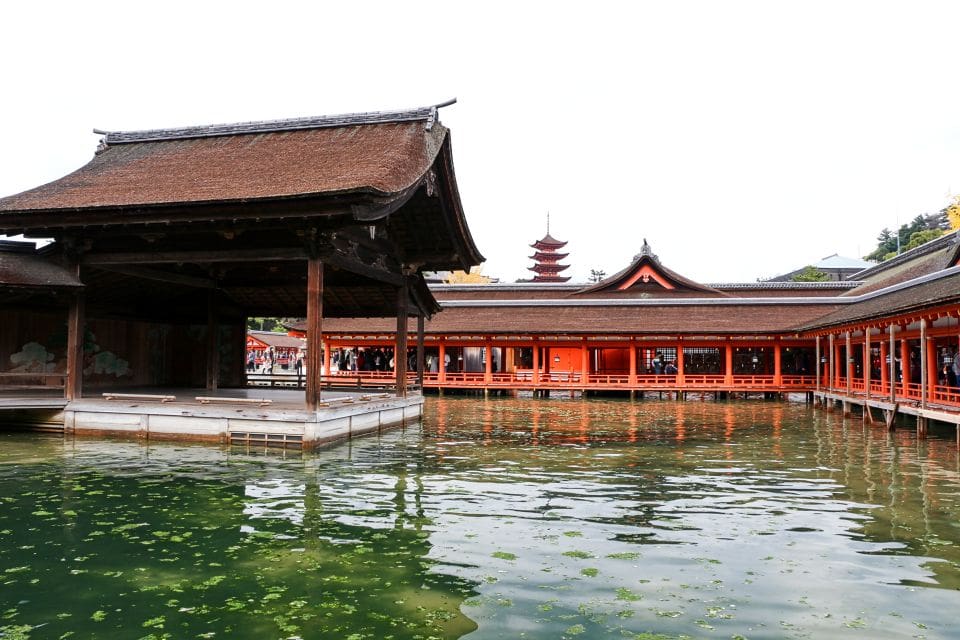
Temples charge 300 to 600 yen, Fushimi Inari and most shrines are free, the Hiroshima Peace Memorial Museum is a barely believable 200 yen, and the big-ticket views top out around 2,100 yen for the Tokyo Skytree. Budget 1,000 to 2,000 yen a day for sights and you will rarely spend it. Guided experiences are the exception: a good food tour runs 8,000 to 15,000 yen and is the one we would not cut on a first trip.
Five ways we keep Japan cheap
- Buy the JR Pass before October 2026 and only if your route earns it; run the math first, because regional passes often beat it for single-region trips.
- Eat your big meal at lunch. The same kitchens sell 1,000-yen lunch sets that become 4,000-yen dinners.
- Book business hotels near, not at, the famous districts. One station away saves 30 percent; the trains erase the difference.
- Let the konbini feed you once a day. Onigiri, egg sandwiches and drinkable yoghurt for a few hundred yen, and it is genuinely good.
- Splurge once, deliberately. For us it was the ryokan night in Hakone. One planned splurge beats five accidental ones.

Bottom line: with a normal budget and a bit of planning, Japan costs less than a comparable trip through Western Europe, and delivers far more moments per yen. If this is your first visit, start with our first-time Japan guide and the packing list, and go before the whole world figures this out.
Is Japan expensive to visit in 2026?
No. With the weak yen, Japan is cheaper for visitors than it has been in decades: superb meals from 1,000 yen, mid-range doubles from 12,000 yen and most sights under 600 yen. The big trains are the main cost.
How much money do I need per day in Japan?
A comfortable low-cost trip runs 15,000 to 22,000 yen per person per day including accommodation. Backpackers manage on 8,000 to 12,000 yen; add 10,000 or more for regular splurges.
How much does a 10-day Japan trip cost without flights?
Roughly 190,000 to 280,000 yen per person (about 1,200 to 1,800 USD) on the classic Tokyo, Hakone, Kyoto and Hiroshima route, including a 7-day JR Pass and one ryokan splurge night.
Should I bring cash to Japan?
Yes, some. Cards and IC phone payments now cover most of urban Japan, but small restaurants, temples, rural ryokan and tiny bars still run on cash. We carry 20,000 to 30,000 yen and top up at 7-Eleven ATMs.


![10 Days in Japan: A Unique Japan Itinerary [2026]](https://www.wanderlustdesigners.com/wp-content/uploads/2020/02/fushimi-inari-kyoto-768x512.jpg "10 Days in Japan: A Unique Japan Itinerary [2026] fushimi inari kyoto")
![Ryokan Experience in Japan: Why You Need It [2026 Guide]](https://www.wanderlustdesigners.com/wp-content/uploads/2020/03/ryokan-dinner-768x512.jpg "Ryokan Experience in Japan: Why You Need It [2026 Guide] ryokan dinner")