
Tokyo Skytree vs Tokyo Tower: Which to Visit in 2026?
Updated August 2026: ticket prices and opening hours for both towers re-checked against the official pages.
When exploring Tokyo’s iconic skyline, two structures stand out: Tokyo Skytree and Tokyo Tower. Both are remarkable in their own right, attracting millions of visitors each year. In this guide, we’ll compare the two towers, highlight their unique features, and help you decide which one to visit based on your preferences and interests. We’ll deliver everything you need to know about Tokyo Skytree vs Tokyo Tower.
Is Tokyo Tower and Tokyo Skytree the same?
No, Tokyo Tower and Tokyo Skytree are distinct landmarks in Tokyo. While both offer observation decks with city views, Tokyo Tower has a classic charm and resembles the Eiffel Tower, while Tokyo Skytree is modern and significantly taller.
Exploring Tokyo Skytree
Tokyo Skytree is an iconic landmark that offers visitors stunning views, unique dining experiences, and exciting shopping options. The tower’s observation decks provide breathtaking panoramas of Tokyo, especially during sunset or at night when the city comes alive with lights.
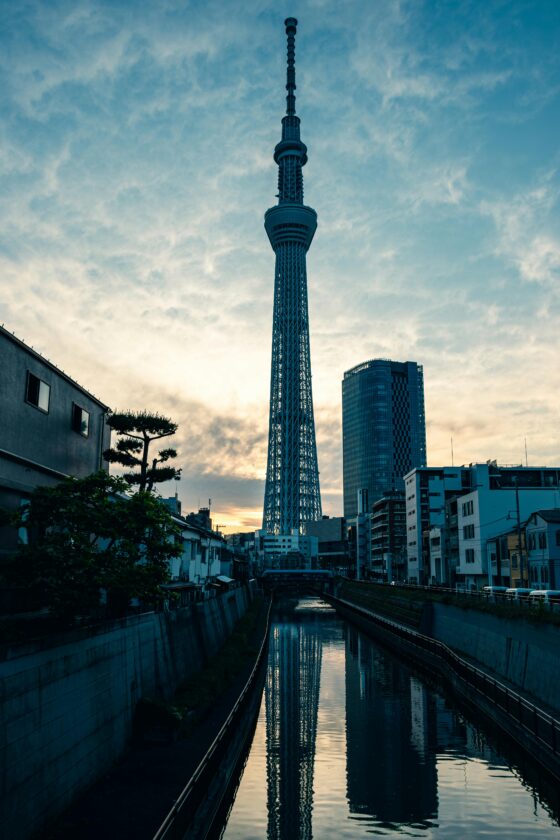
Skytree Pricing and Facts
Tokyo Skytree Price and Opening Hours
As of 2026, the Tembo Deck (350 m) costs 2,100 yen (about 14 USD) as an advance weekday ticket, or 2,400 yen same-day; weekend tickets run a couple of hundred yen higher. The combo with the Tembo Galleria (450 m) starts at 3,100 yen in advance. Current prices are on the official ticket page. The deck is open from 10:00 am to 10:00 pm, with the last admission at 9:00 pm. It’s worth noting that tickets are more expensive if you purchase them on the same day, so it’s advisable to book in advance for better pricing.
8 Facts about Skytree
- Height: Tokyo Skytree is the tallest structure in Japan, standing at 634 meters (2,080 feet). It’s also the tallest tower in the world and the third-tallest structure globally, surpassed only by the Burj Khalifa and Malaysia’s Merdeka 118.
- Purpose: Initially constructed for television and radio broadcasting, now also serves as a major tourist attraction, with observation decks offering breathtaking views of Tokyo.
- Name Origin: The name “Skytree” was selected through a public vote, combining the idea of reaching toward the sky with the imagery of a tree, symbolizing growth and connectivity.
- Observation Decks: The tower has two main observation decks. The Tembo Deck is located at 350 meters, while the higher Tembo Galleria sits at 450 meters, both offering spectacular panoramic views of the city.
- Lighting: Skytree features two primary lighting themes, “Iki” and “Miyabi.” These themes alternate daily and reflect traditional Japanese aesthetics.
- Resilience: The tower is engineered to withstand earthquakes, featuring a central pillar designed to absorb seismic energy, inspired by traditional Japanese pagodas.
- Opening: Tokyo Skytree officially opened to the public on May 22, 2012, and quickly became a popular attraction for both locals and tourists.
- Complex: It is part of a larger commercial complex, including shopping centers, an aquarium, and various dining options, making it a vibrant destination for all kinds of activities.
Tokyo Skytree Elevator
The elevators offer a unique experience, enhancing the journey to the observation decks. These high-speed elevators whisk visitors up to the decks in just seconds, showcasing a sleek and modern design that mirrors the tower’s sophisticated architecture. Each elevator has a different theme, reflecting the four seasons of Japan.
As the doors close, the lights dim, and the ceiling comes to life with LED displays, transforming the small space into a captivating spectacle. The smooth ride and breathtaking speed—reaching up to 600 meters per minute—make the ascent to the Tembo Deck at 350 meters, or the Tembo Galleria at 450 meters, both quick and exciting.
Skytree Amenities
Tokyo Skytree Restaurants
1. SKYTREE CAFE 340
Located on the Tembo Deck at floor 340, SKYTREE CAFE 340 offers a casual setting where you can relax after taking in the tower’s views. The menu features drinks, light snacks, and original sweets. The café is open from 10:00 am to 9:45 pm, Monday through Saturday, and from 9:00 am to 9:45 pm on Sundays and holidays.
2. SKYTREE CAFE 350
Situated on the Tembo Deck at floor 350, SKYTREE CAFE 350 provides a stunning panoramic view of the Kanto Plain on clear days. This café specializes in drinks and has a standing service setup. The operating hours are the same as SKYTREE CAFE 340.
3. Sky Restaurant 634 (Musashi)
Sky Restaurant 634 is located on the Tembo Deck at floor 345. It serves “Tokyo Cuisine,” a modern take on Japanese cuisine inspired by the spirit and character of Tokyo’s traditional areas. The restaurant is open Monday to Friday from 12:00 pm to 4:00 pm and 5:30 pm to 10:00 pm. On weekends and public holidays, it opens at 11:30 am.
Tokyo Skytree Shops
Skytree offers a wide range of shopping options, perfect for both casual shoppers and those seeking unique souvenirs. The shops are located on various floors and include a variety of retail outlets.
Opening Hours
Most of the shops typically operate from 10:00 am to 9:00 pm, but it’s always a good idea to check individual store hours before visiting.
Shopping Guide
- Ground Floor Shops: The shops on the ground floor provide a variety of souvenirs, gifts, and essentials. You can explore these shops to find Tokyo-themed items and other mementos.
- Tokyo Solamachi: This is the larger shopping complex located at the base. It features over 300 shops, including fashion boutiques, specialty stores, and more. You can find everything from high-end brands to local artisans.
For more information on specific shops and offerings, you can check the official Tokyo Skytree website, where you can explore the directory and floor guides for a more detailed shopping experience.
Skytree Experiences
Tokyo Skytree at Night
Visiting at night offers a magical experience as the tower lights up the city skyline. The tower is illuminated with LED lighting, creating a vibrant display that varies throughout the week. The observation decks, located at 350 and 450 meters, provide breathtaking views of the illuminated city below. The serene atmosphere and stunning visuals make a night visit to Tokyo Skytree memorable and romantic.
Tokyo Skytree Sunset
Watching the sunset from Tokyo Skytree is a captivating experience. The tower’s high observation decks offer an unobstructed view of the horizon, allowing visitors to witness the sun as it sets over the city. The fading daylight creates a beautiful play of colors, bathing Tokyo in warm hues. As the sky darkens, the city lights gradually turn on, transitioning into the vibrant night scene. This picturesque moment is perfect for photography or simply enjoying the natural beauty of Tokyo’s skyline.
Exploring Tokyo Tower
With its iconic red and white design, is a symbol of Japan’s post-war rebirth. Standing at 333 meters, it offers a charming retro atmosphere alongside modern amenities. The tower features observation decks with stunning city views, unique dining options, and delightful shops, making it a must-visit for travelers. In the “Tokyo Skytree vs. Tokyo Tower” debate, the Tower’s nostalgic allure and central location make it a fantastic choice for exploring Tokyo’s vibrant heart.
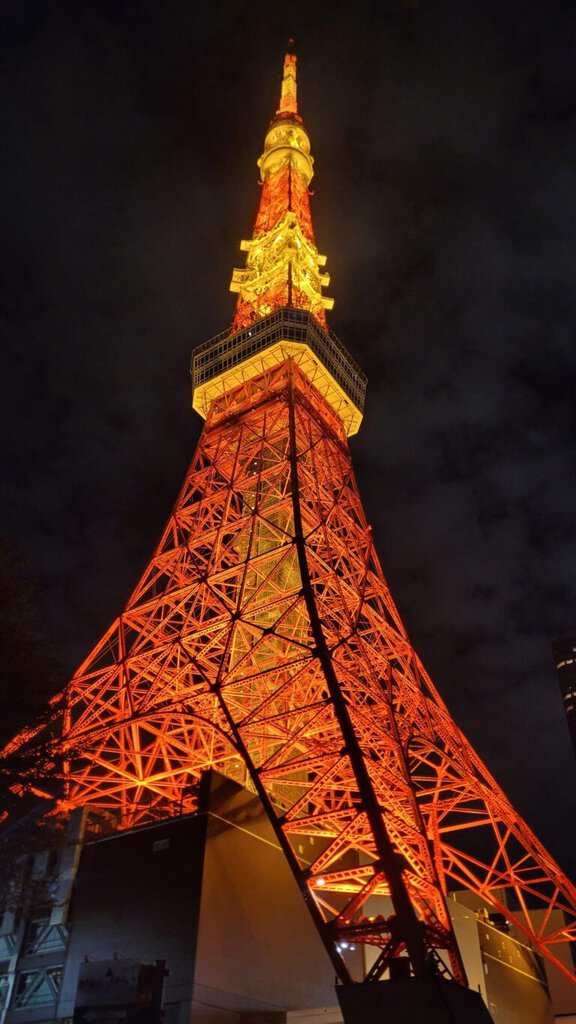
Tower Pricing and Facts
Tokyo Tower Tickets Price
Visiting Tokyo Tower is the more affordable experience of the two: as of 2026 the Main Deck (150 m) costs 1,500 yen (about 10 USD), and the Top Deck Tour, which includes both decks, is 3,300 yen when booked online or 3,500 yen at the counter (see the official fee page). The tower is open from 9:00 am to 11:00 pm (last admission 10:30 pm), giving visitors ample time to explore and enjoy the views. However, it’s advisable to purchase tickets in advance, as prices tend to be higher for same-day purchases.
8 Facts about the Tower
- Eiffel Tower Inspiration: Tokyo Tower, standing at 333 meters, was inspired by the Eiffel Tower in Paris, but it is slightly taller, making it the second-tallest structure in Japan.
- Construction: Built in 1958, Tokyo Tower was originally constructed as a television broadcasting tower, symbolizing Japan’s post-war resurgence and modernization.
- Colors: The tower’s distinctive red and white colors were chosen to comply with aviation safety regulations. The colors are repainted every five years.
- Lighting: Tokyo Tower’s lighting changes depending on the season or event. The tower is often illuminated in different colors for special occasions or campaigns.
- Observation Decks: The tower has two observation decks, with the main deck at 150 meters and the top deck at 250 meters, offering stunning views of Tokyo and, on clear days, even Mount Fuji.
- Foot Town: The base of Tokyo Tower, known as Foot Town, houses museums, shops, and restaurants, making it a popular destination even for those who don’t venture up the tower.
- Popular Filming Location: Tokyo Tower is a popular filming location for movies, TV shows, and anime, often depicted as a landmark in fictional Tokyo.
- Symbolic Role: The tower has become a symbol of Tokyo, representing the city’s transformation into a modern metropolis while retaining its cultural roots.
Why Was the Tokyo Tower Built?
Tokyo Tower was built to serve as a television broadcasting tower. In the mid-20th century, Japan experienced rapid economic growth and needed a central broadcasting facility that could transmit TV signals across the expanding Tokyo metropolis. Tokyo Tower, completed in 1958, fulfilled this need.
Tower Amenities
Tokyo Tower Restaurants
1. Café La Tour
Café La Tour offers a cozy environment with light meals, desserts, and beverages. It’s ideal for a quick snack or a relaxed dining experience just after exploring the tower.
2. Tenshiba
Located inside The Prince Park Tower Tokyo, Tenshiba is known for its tempura. This traditional Japanese restaurant offers both table and counter seating, serving tempura that is crunchy on the outside and fluffy on the inside.
3. Tofuya Ukai
Tofuya Ukai is renowned for its innovative tofu dishes, created from scratch with quality ingredients. The restaurant offers both lunch and dinner courses in a setting reminiscent of Edo-period Japan, complete with beautiful gardens and koi ponds.
Tokyo Tower Shops
The Tower offers a variety of shopping options within its Foot Town complex. Visitors can explore a range of stores offering souvenirs, anime merchandise, and unique Tower-themed items. To discover all the shopping options available, visit the official website.
Tower Experiences
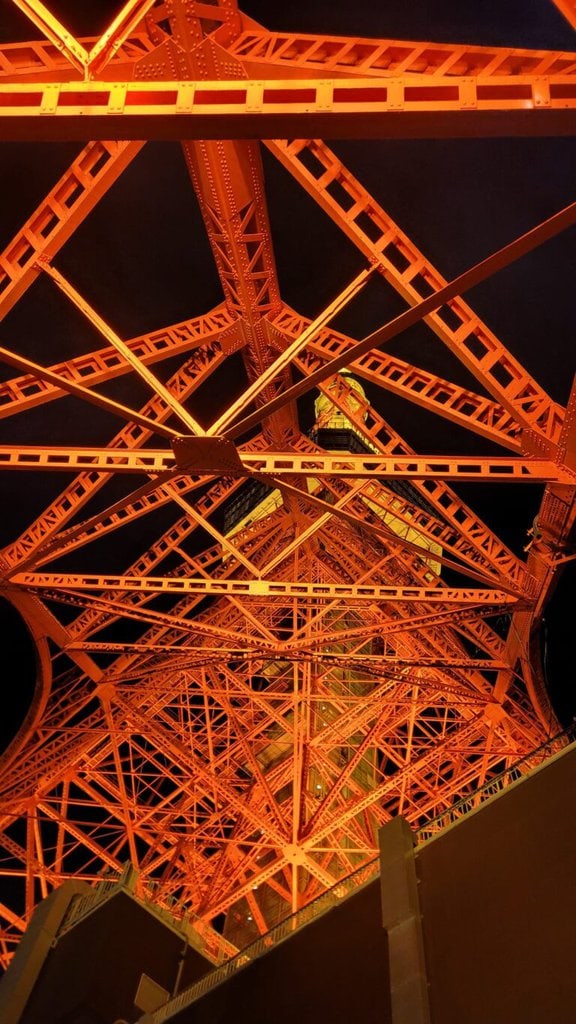
Tokyo Tower at Night
Visiting Tokyo Tower at night is a captivating experience. The tower is beautifully illuminated, creating a stunning backdrop against the city skyline. The observation decks offer breathtaking views of Tokyo’s buildings and landmarks, creating a romantic and serene atmosphere. You can actually get your tickets here!
Tokyo Tower Sunset
Watching the sunset from Tokyo Tower is equally enchanting. As the sun dips below the horizon, the city is bathed in a warm golden light. This magical time is perfect for capturing stunning photographs or simply enjoying the beauty of Tokyo’s skyline as it shifts from day to night.
Things to See Near Tokyo Tower
The Tower in Tokyo is surrounded by a variety of historic temples and serene shrines that offer visitors a blend of cultural exploration and relaxation. Remember, these places are also offering the best view of Tokyo Tower!
- Zojoji Temple: The historic Buddhist temple is known for its beautiful grounds and striking contrast against the modern tower backdrop. It offers a peaceful environment to explore and appreciate Tokyo’s cultural heritage.
- Atago Shrine: Situated on a hilltop, Atago Shrine provides a tranquil setting and features a steep staircase known as the “Stairs of Success.” Climbing these stairs is said to bring success in life.
- Shiba Toshogu Shrine: This small but charming shrine is located in Shiba Park (where you get yourself amazing views of Tokyo Tower!). It’s a great place to take a break and enjoy a serene atmosphere.
- Saiwai Inari Shrine: Saiwai Inari Shrine is a quaint spot known for its red torii gates. The shrine is a peaceful place to reflect and admire traditional Japanese architecture.
- Kumano Shrine: Another nearby shrine, Kumano Shrine, offers a quiet retreat in the middle of Tokyo’s bustling cityscape. It’s a small but inviting space for contemplation.
- Hoshuin Temple: This serene temple provides a calming environment for visitors to relax and meditate. It’s an ideal place to appreciate Tokyo’s spiritual side.
Hotels with Tokyo Tower View
Staying at a hotel with a view of Tokyo Tower is a memorable experience, and several hotels in Tokyo offer this unique opportunity. We have written an entire article on this topic, so if you are currently looking for the best hotel to stay with Tokyo Tower view, please check it out. If not, we’ve chosen the best three options for you based on your budget.


Getting there and when to go
Tokyo Skytree stands right above Tokyo Skytree Station on the Tobu Skytree Line (one stop from Asakusa) and is a short walk from Oshiage Station on the Hanzomon and Asakusa subway lines. It pairs perfectly with a morning in Asakusa and the Senso-ji temple, which is 20 minutes away on foot across the Sumida river.
Tokyo Tower has no station of its own; the closest are Akabanebashi on the Oedo line (5 minutes on foot), Kamiyacho on the Hibiya line and Onarimon on the Mita line. Combine it with Zojoji Temple next door, whose gate frames the classic temple-and-tower photo.
When to go: for either tower, the golden slot is about an hour before sunset, so you get daylight, the sunset itself and the city lighting up, three views for one ticket. Winter mornings have the clearest air and the best odds of seeing Mount Fuji. Weekday mornings are the quietest; weekend evenings sell out, so book those a few days ahead.
Tokyo Skytree vs Tokyo Tower: Which one is better to visit?
When comparing Tokyo Skytree vs Tokyo Tower, the choice largely depends on what you are seeking in your visit.
Tokyo Skytree offers a modern, high-tech experience and is the tallest structure in Japan, providing unparalleled panoramic views of the city.
On the other hand, Tokyo Tower has a classic charm and a nostalgic feel, reminiscent of the Eiffel Tower. It’s centrally located, and offers beautiful views. Whichever you pick, both slot neatly into our 2-day Tokyo itinerary.
Which is cheaper, Tokyo Skytree or Tokyo Tower?
Tokyo Tower. Its Main Deck costs 1,500 yen versus 2,100 yen for Skytree’s Tembo Deck (advance weekday prices, 2026). Even the Top Deck Tour at 3,300 yen undercuts Skytree’s deck-plus-galleria combo at 3,100 to 3,800 yen once you factor in same-day surcharges.
Can you see Mount Fuji from the towers?
Yes, from both, but only on clear days, most often in winter mornings. Skytree’s higher decks give you a better chance of seeing Fuji above the haze.
Do I need to book tickets in advance?
It saves money and time at both towers. Skytree advance tickets are about 300 yen cheaper than same-day ones, and Tokyo Tower’s Top Deck Tour is 200 yen cheaper online. For sunset slots, book a few days ahead.
Which tower is better for photographers?
For shooting the skyline, Skytree wins on height. For photos of a landmark, Tokyo Tower is the more photogenic subject, especially from Zojoji Temple or Shiba Park with the red tower behind the temple roofs.


![10 Days in Japan: A Unique Japan Itinerary [2026]](https://www.wanderlustdesigners.com/wp-content/uploads/2020/02/fushimi-inari-kyoto-768x512.jpg "10 Days in Japan: A Unique Japan Itinerary [2026] fushimi inari kyoto")