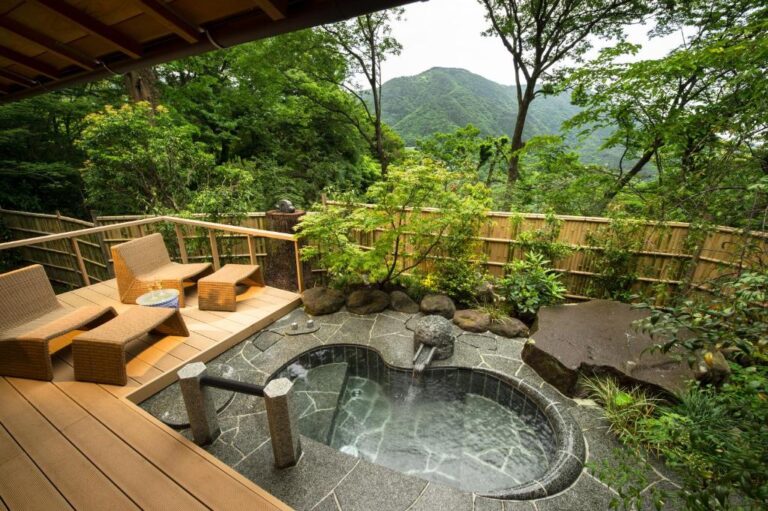
Kyoto in 2 Days: Temples, Tranport & Where to Stay
Updated August 2026: route, prices and transport re-checked, including the discontinued bus day pass.
Kyoto = Japan’s ancient capital with 2,000+ temples, UNESCO gardens, and geisha culture. But seeing the best highlights in just 2 days? Totally possible with smart planning!
Our tested Kyoto 2-day itinerary (visited 2025) covers 10 must-see spots – from Fushimi Inari’s famous 10,000 torii gates to Arashiyama’s mystical bamboo forest, Kinkaku-ji’s shimmering Golden Pavilion, and the peaceful Philosopher’s Path.
Whether you’re a first-time visitor or returning to explore deeper, this itinerary balances iconic landmarks with local experiences – temple meditation at Ryoan-ji, street food in Gion, wild monkeys overlooking Kyoto.
Ready to explore Japan’s most beautiful city? Let’s dive into your perfect 2 days in Kyoto ↓
This post contains affiliate links, which means that if you purchase anything via them, we might earn a small commission – at no extra cost to you. Check our affiliate disclaimer for more information.
What everything you can see in Kyoto in 2 days
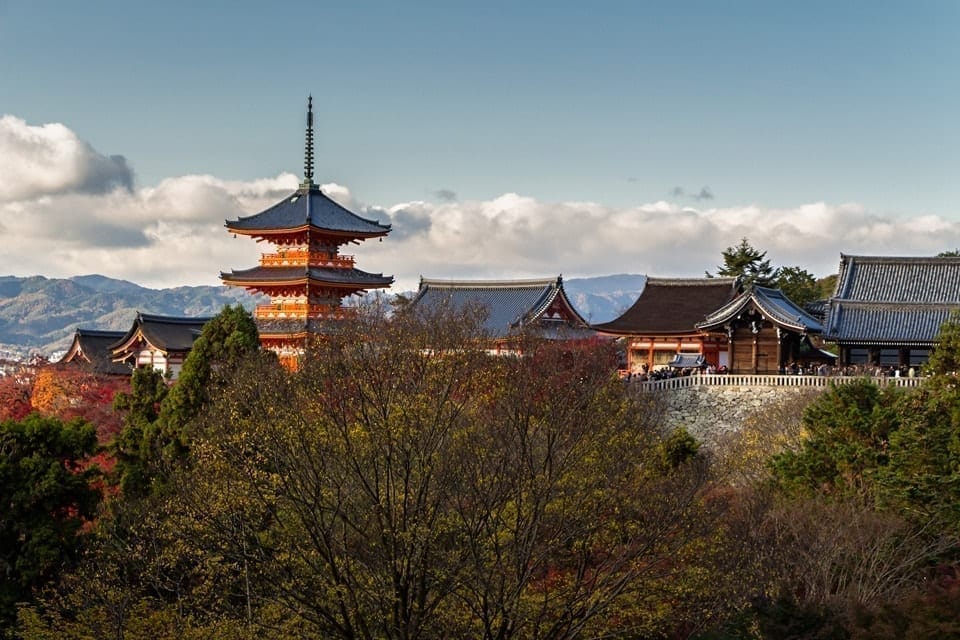
Since you have just 2 days in Kyoto, you have to be quite efficient with exploring, and we will make sure that you will definitely become with this Kyoto Itinerary.
With more than 1600 Buddhist temples and over 400 Shinto shrines, as well as gardens, parks, markets and tempting culinary delights, these two days in Kyoto will be as busy as they’ll be splendid.
Just as a note – if you arrive in Kyoto by following our Japan 10 day itinerary, you’ll have two and a half days in Kyoto. In this case, we recommend starting your visit with the beautiful Kiyomizu-dera temple with its eye-catching 13m tall wooden stage supporting the front façade of the temple.
Getting to Kiyomizu dera from Kyoto
We recommend taking bus no. 100, the bus stop is just outside the northern side of the railway station (to be precise, the platform is D1). The bus ticket should cost you just 230 YEN!
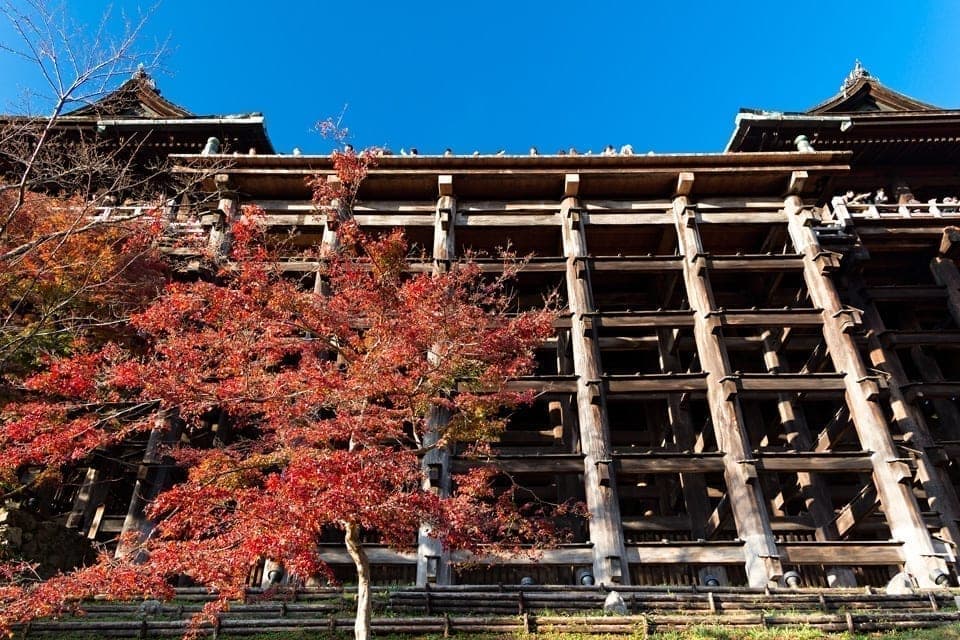
As a fun fact, during the Edo period, there was a belief that leaping off this stage meant your wish would be granted. Well, we definitely do not recommend trying that nowadays – otherwise your wish to enjoy the rest of this 2 days Kyoto itinerary might remain, ironically, just a wish.
Southern Higashiyama is best explored on feet – after being amazed by Kiyomizu-dera, just walk at a leisurely pace through the picturesque old streets where you’ll feel like in ancient Japan and discover for yourself all the gems this place offers – numerous temples, cozy teashops and romantic streets.
To top it off, watch a beautiful sunset with a photogenic Yasaka Pagoda in the background.
If you have just 2 days in Kyoto, you can visit Kiyomizu-dera in the morning of the first day.
Remember, Kiyomizu-dera is open daily from 6 am to 6 pm (opening hours are extended to 6:30pm on certain days during summer, and until 9 pm during night illumination), and entrance fee is 500 YEN, and if you are student, you get yourself a discount at 200 YEN.
First Day in Kyoto: Kinkakuji, Ryoanji, Ginkaku-ji, Philosopher’s Path, and Gion
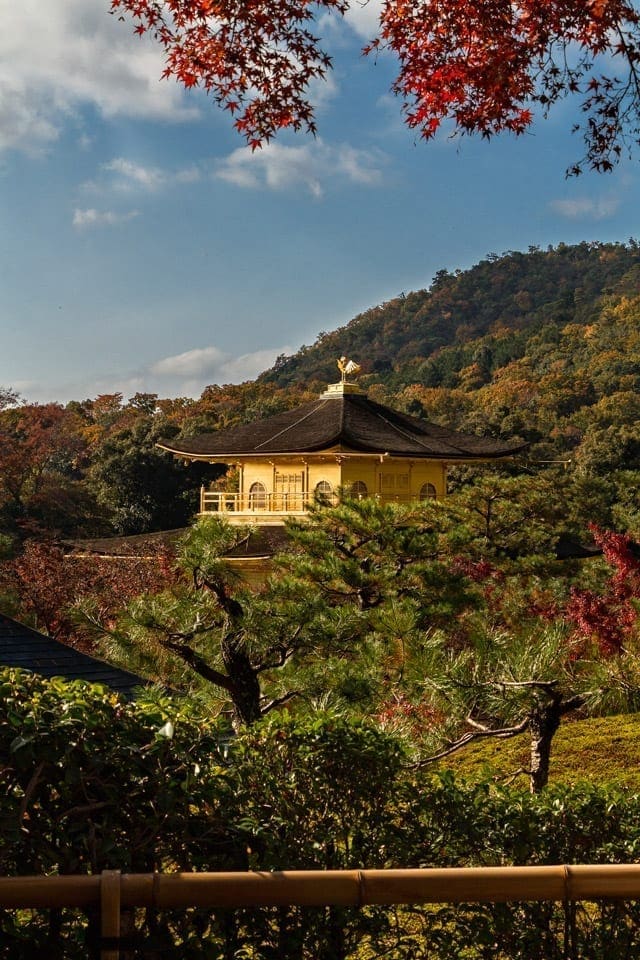
Let’s start the day in a shiny way – visiting the ever-so-shining and iconic Kinkaku-ji or Golden Pavilion. Set in a magnificent Japanese garden, the golden structure of this Zen Buddhist temple reflects beautifully in the pond. It looks simply stunning and it really is so damn shiny you’ll need sunglasses 😊.
Kinkaku-ji is open daily from 9 am to 5 pm. Entrance fee in 2024 is 500 YEN, and 300 YEN for children.
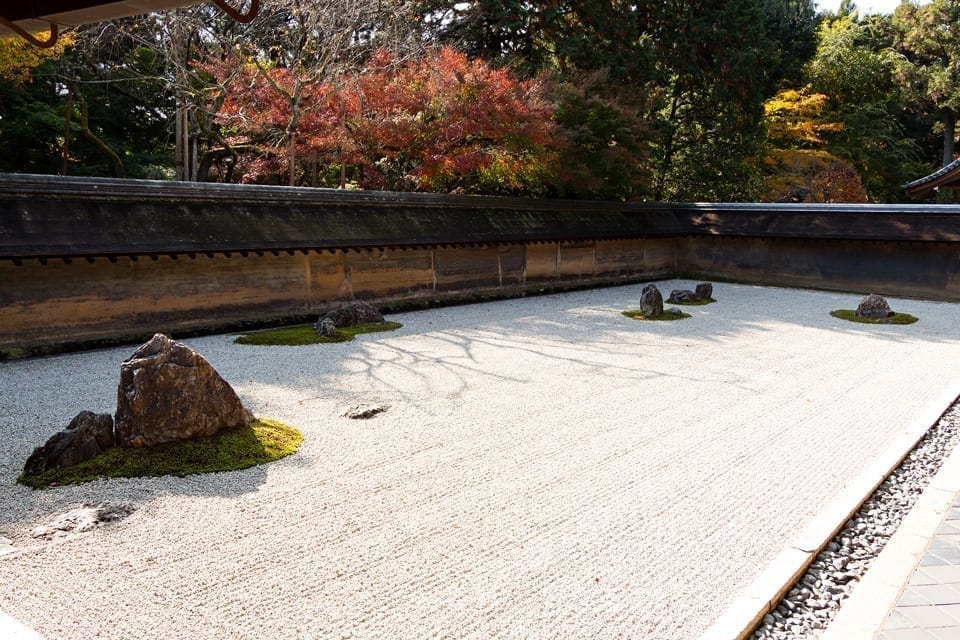
Enough of shiny gold? Let’s move on to Ryoan-ji with its mysterious rock garden with 15 scattered rocks and no plants. Let your imagination run wild to interpret the meaning of the garden.
If you haven’t managed to visit the Kiyomizu-dera yet, then we’d recommend skipping Ryoan-ji and going to the temple instead.
For the afternoon, let’s make our way to the northern Higashiyama district. Ginkaku-ji or Silver Pavilion with its stupendous garden is waiting to be explored.
From there, follow the Philosopher’s Path winding its way southwards, discovering the various gems for yourself such as Honen-in Temple and finishing in famous Gion at around sunset.
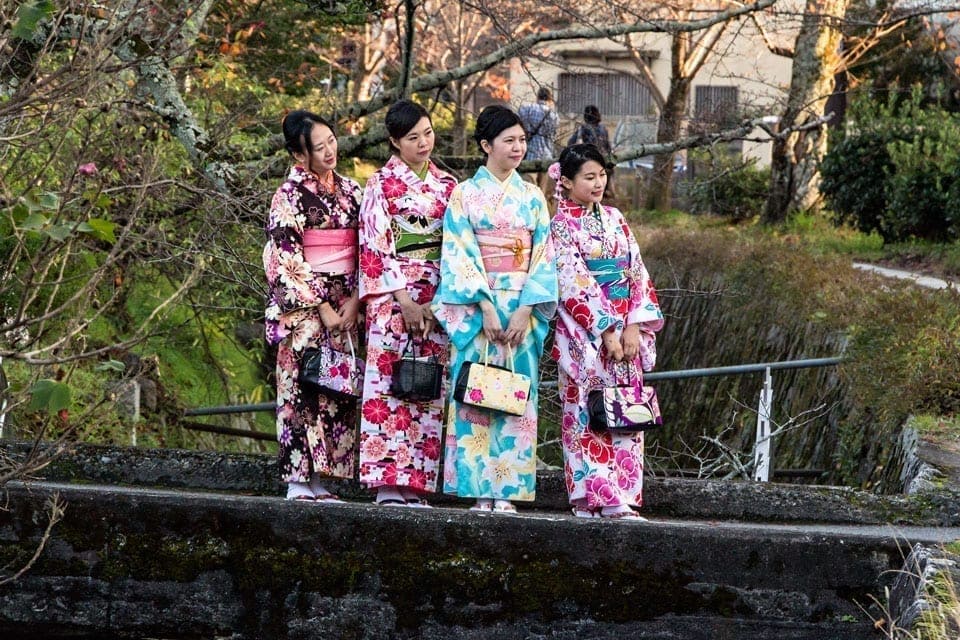
Will you be lucky to spot a geisha in this traditional district?
Getting around Kyoto
Take a bus to the shiny Kinkaku-ji temple. Several buses run there from various places in Kyoto – 12, 59, 101, 102, 111, 204, 205.
For Ryoanji – walk from Kinkakuji. Then walk back to Kinkaju-ji and take bus no. 102 or 204 to Ginkaku-ji.
Remember, all buses in Kyoto cost 230 YEN for adults, and 120 YEN for kids under 12 years.
Second Day in Kyoto: Fushimi Inari Shrine and Torii gates, Arashiyama Bamboo Forest, Togetsu-Kyo bridge, and Iwatayama Monkey park
Let’s start your second day in Kyoto at another unique place – Fushimi Inari Shrine.
This magnificent shrine with thousands of vermilion torii gates is one of the most iconic sights not only in Kyoto but in the whole of Japan. The numerous torii gates form sort of arcades and wind their way uphill from the site of the shrine towards Mount Inari.
Did you know that each of these gates was donated as an offering by an individual or business, with the larger the gate, the larger the donation?
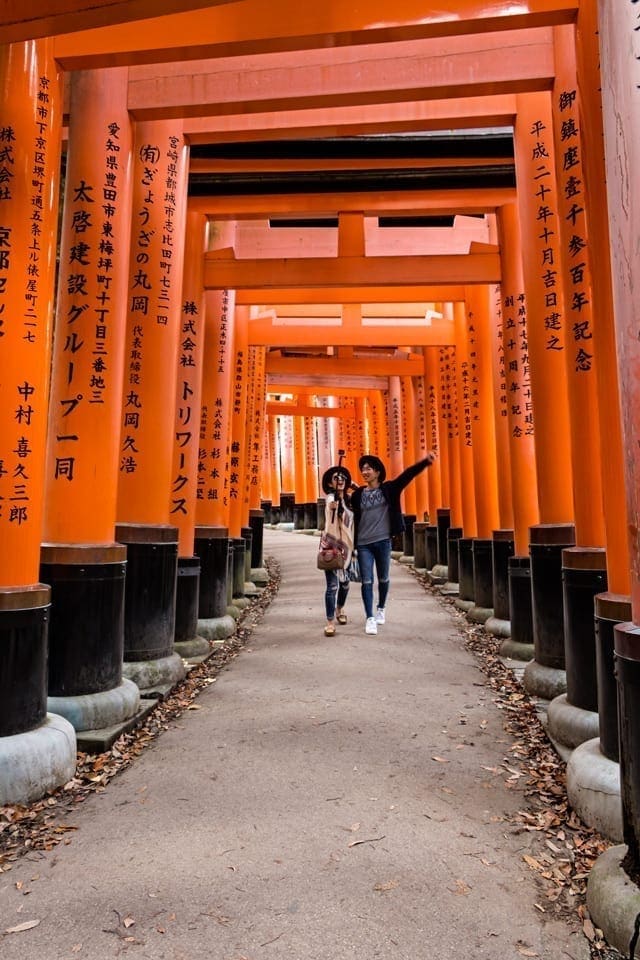
Walking through these mysterious arcades makes not only for a pleasant stroll but also for an absolutely unforgettable fairy-tale-like experience. And as a reward for the uphill stroll, you’ll be rewarded with a beautiful view of Kyoto from the top.
After lunch, head to the Arashiyama district. Arashiyama was a former vacation spot for the emperors and it still retains a very pleasant atmosphere.
Visit the awe-inspiring Tenryuji temple, enjoy a relaxing walk through the mystical Arashiyama bamboo grove and get amused by the utterly photogenic and slightly cheeky macaques in the Iwatayama Monkey Park, which also offers a superb vista of Kyoto. It’s actually one of the most Instagrammable places in Kyoto.
To get to the Monkey Park, you’ll have to cross the Togetsu-Kyo Bridge, which is a landmark of the Arashiyama district. It offers some amazing views of the surrounding mountains.
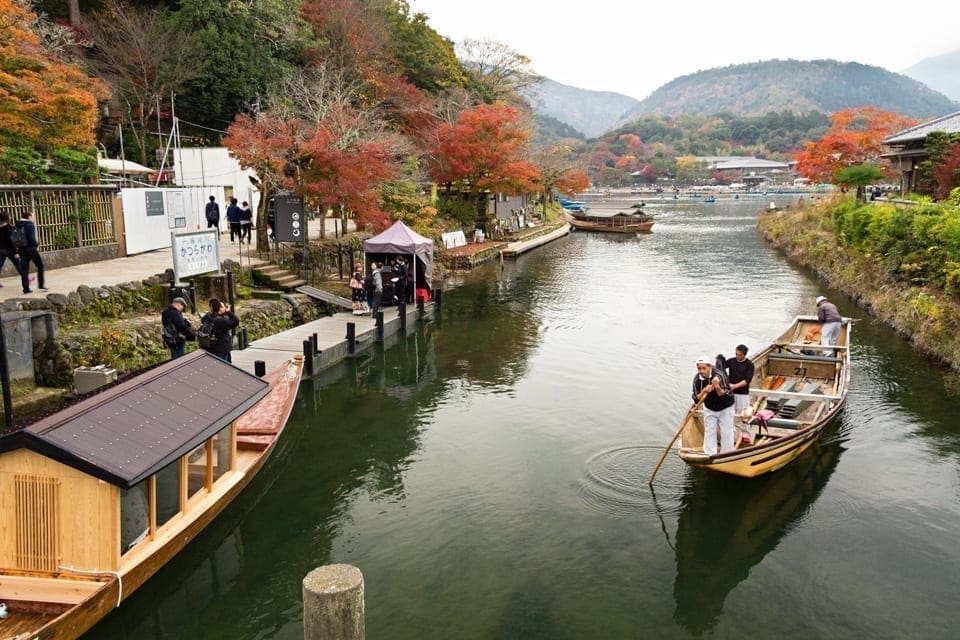
If you still have some time to spare, perhaps hop on the Sagano Scenic Railway for a 25-minute sightseeing trip along the picturesque Hozugawa River valley, taking a cruise back to Arashiyama in the traditional Edo-era boat.
Getting around
To get to Fushimi Inari Shrine, take the JR Nara Line to station Inari. It’s a short 5-minute journey, with about 4 services an hour. We don’t quite remember the price, but it should be less than 100 YEN. Also, remember, only local trains go there.
For Arashiyama – take the JR Sagano Line, from Kyoto station to Saga-Arashiyama station.
If you wish to hop on the Sagano Scenic railway, the train departs from the station just adjacent to JR Saga-Arashiyama station (the station is called Saga Torokko station). The journey takes just 17 minutes, and you should pay 240 YEN.
For the way back, you may use the same train or, even better, book a Hozugawa river boat ride, lasting about 2 hours. The boats depart from the boarding site which is about a 10-minute’ drive by bus or taxi or a 30-minute walk from the scenic railway’s terminus (Kameoko Torokko station).
Planning your 2 days Kyoto Itinerary
Well, planning is often so hard, that you don’t even know where to start, and end. With so much beautiful things to see, and do in the area. Let’s see how you can plan your own perfect itinerary.
When is the best time to visit Kyoto?
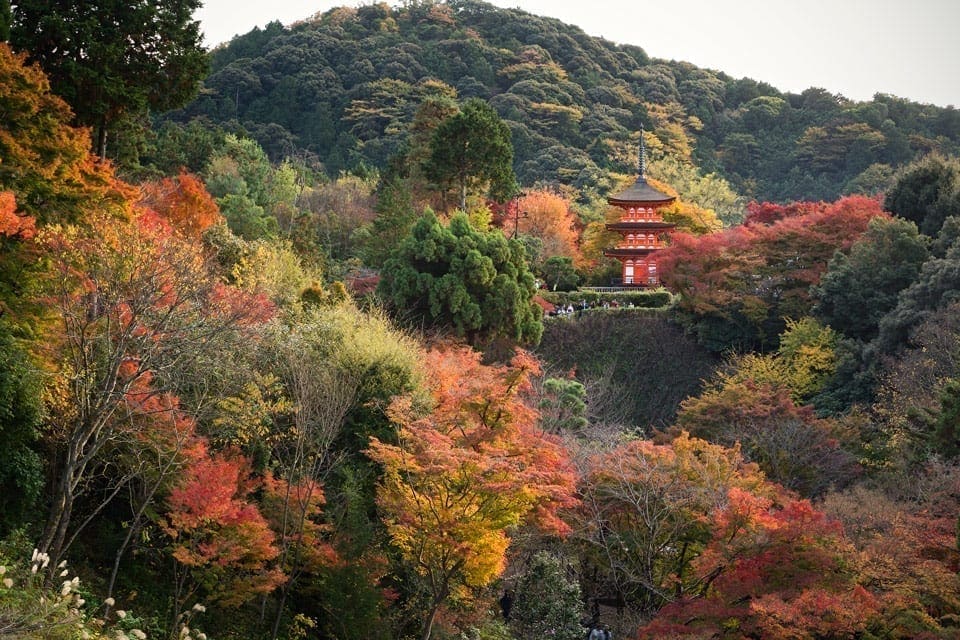
Like for the rest of Japan, the best time to visit Kyoto depends on what you’d like to experience.
Basically, we can say that the best time to visit Kyoto would be from late March to May, as that’s usually when the cherry blossom season is. On the other hand, from September to November, the weather in Kyoto is mildest. Also, remember, that these top seasons are bringing a lot of tourists to Kyoto, so be prepared for more expensive hotels. If you want to skip the lanes, crowds are smaller in summer and winter.
So, well, choose the best time to visit Kyoto is after all totally up to you, and depends on what you want to see in Kyoto.
The exact times for cherry blossoms and autumn foliage, of course, depend on the weather.
You definitely won’t be alone in the streets and parks of Kyoto if you visit during these times, but hey, those blooming sakura and red and crimson maple leaves do look wonderful.
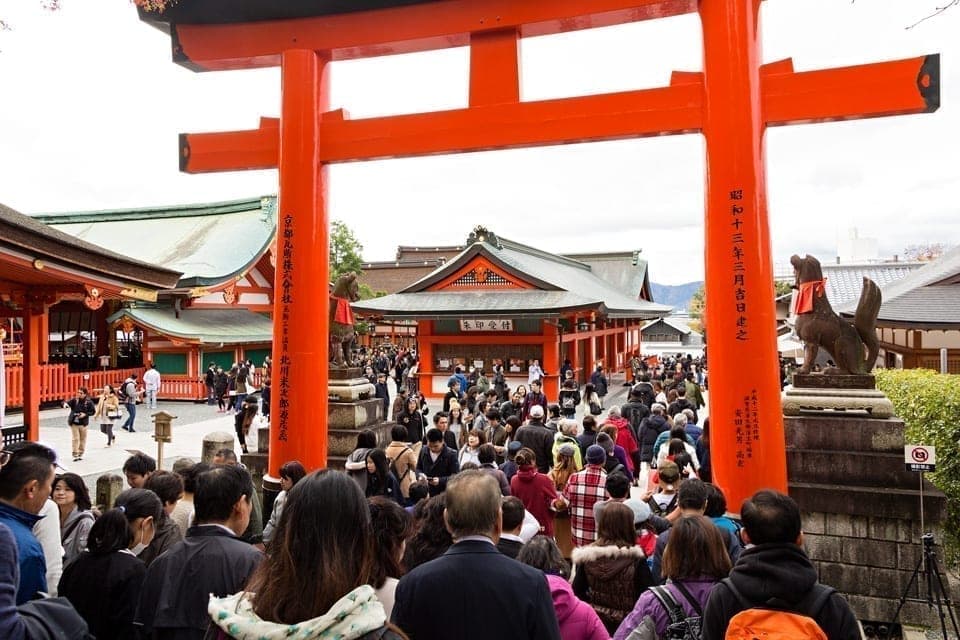
As I said, in winter and summer, Kyoto is going to be less full of tourists, but it will be rather cold in winter and sweltering hot, humid, and possibly rainy in summer. If the weather doesn’t bother you, it might be rather nice to visit in these seasons!
Where to stay in Kyoto?
Since our 2 days Itinerary in Kyoto does not leave too much time to waste, it’s better to stay somewhere central. Some of the most popular places are Gion and Kyoto station areas. There are many great options for every taste and budget – from capsule hotels to Ryokans.
Stay in Gion for some incredible temples, historic atmosphere, good food, and nightlife, but keep in mind that it’s a very popular place for tourists.
Kyoto station area will offer you easy access to transportation and plenty of good food, but not so much to see (although this is Kyoto we’re talking about, so sightseeing is not far away).
We personally stayed in the Smile Hotel Kyoto Shijo and can recommend it. Although it’s not in either Gion or the station area, it’s still conveniently located, there’s plenty of food around, and public transport is nearby (Kyoto train station is just a couple of subway stops away). Anyway, I prepared for you a list of best three places to stay in Kyoto, according to your budget. And if you’re more into where to stay in Kyoto, we prepared the whole article about this topic.
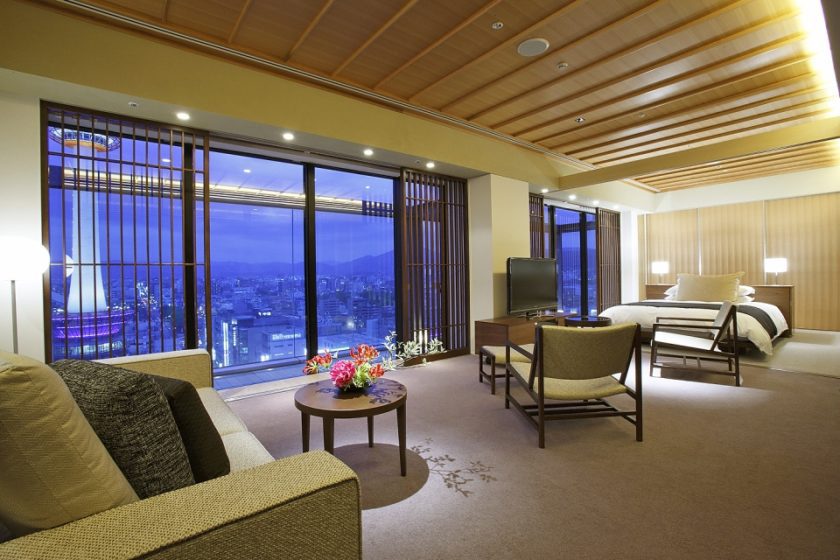
⭐️⭐️⭐️⭐️⭐️
Hotel Granvia Kyoto
✔️ Perfect location – in Kyoto station
✔️ Good price


What to eat in Kyoto?
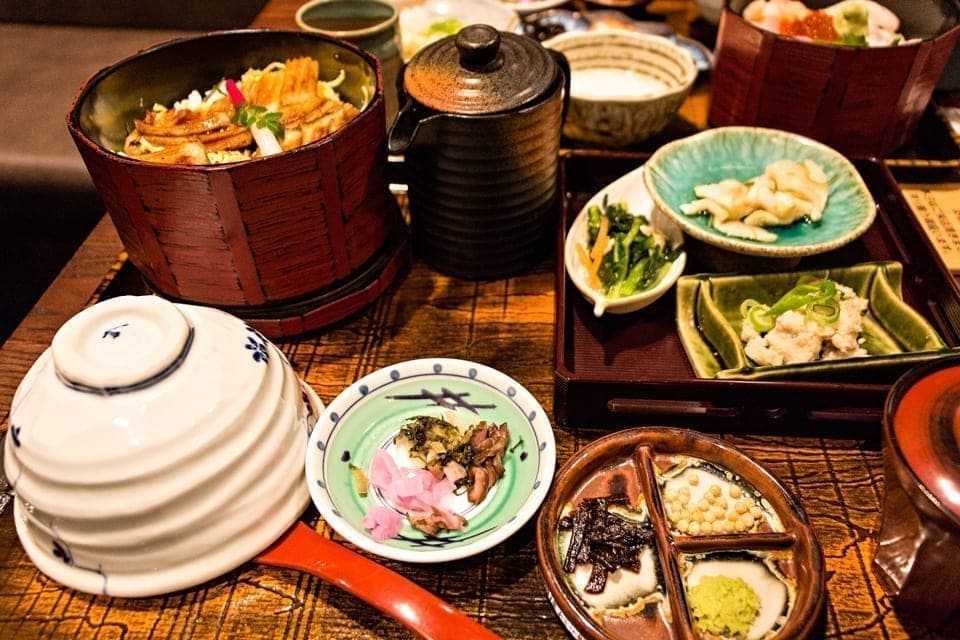
Kyoto is an excellent place to try just about anything from Japanese cuisine. So, whether you are heading for famous Kaiseki or Tofu, which are really popular in Kyoto, you should definitely at least once try them.
Getting around Kyoto city by public transport
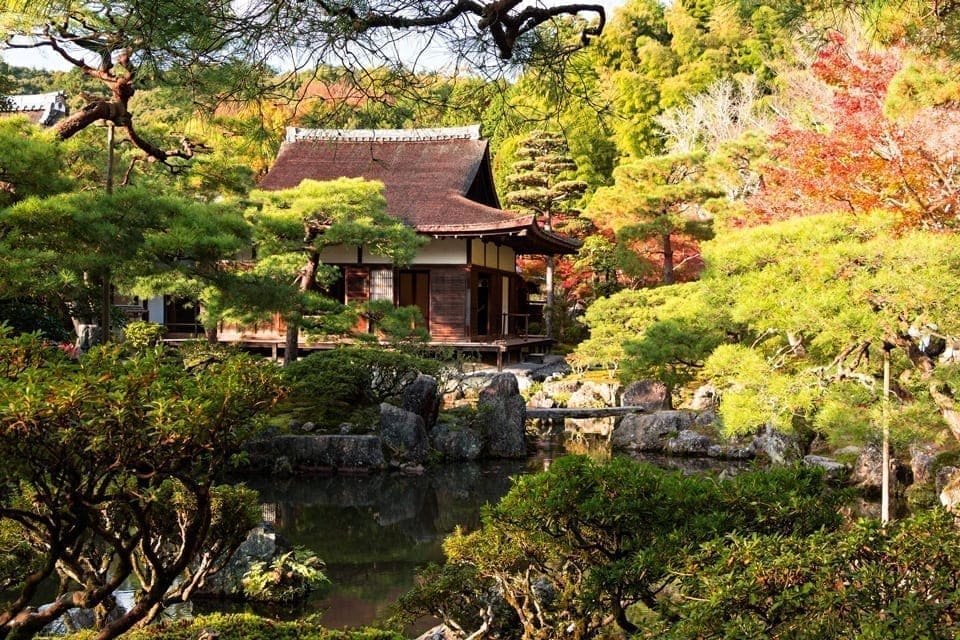
During your 2 days in Kyoto, you’ll be using Kyoto city buses and possibly metro to get to the places suggested in our Kyoto 2 day itinerary. You’ll also be using local JR trains to get to Arashiyama and Fushimi-Inari (convenient, as we have the Japan Rail pass).
You may either get individual tickets for each bus trip or a one-day (or two-day pass) for either bus only or bus and metro.
While our itinerary doesn’t require that many bus or metro trips to make the one-day pass worthwhile price-wise, it is still a convenient option as you don’t have to buy the ticket all the time with exact change and the difference is after all rather negligible (one-day pass for the bus is cheaper than individual tickets if making at least 3 journeys by bus; one-day pass for bus and metro is cheaper than individual tickets if making at least four trips a day).
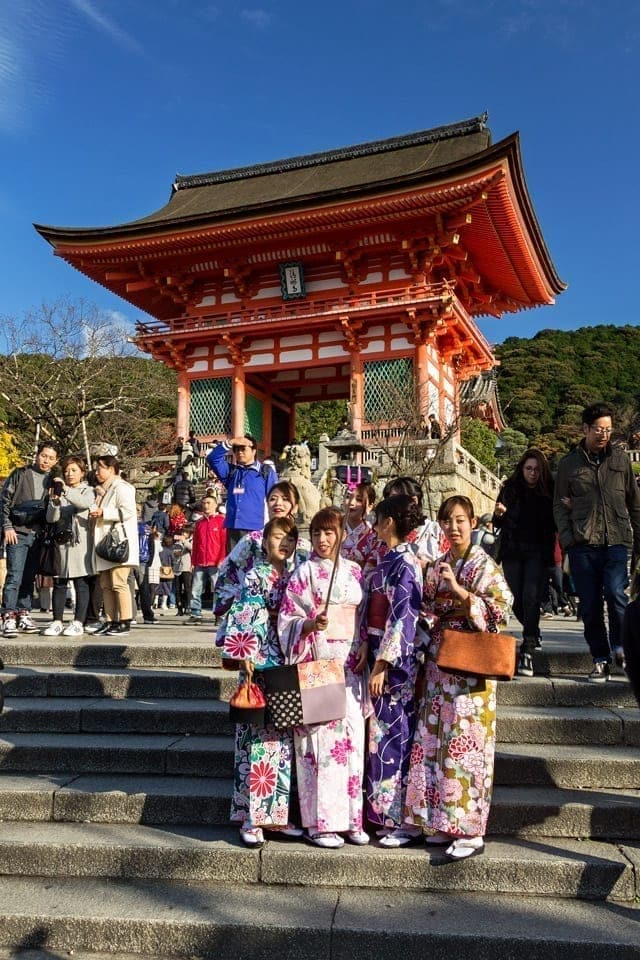
For all the Kyoto city buses except bus 100, you get on the rear door and get off the front door, paying the driver when leaving.
For some reason, it is the opposite for bus 100, which is probably the most popular tourist route as it runs from Kyoto station to the southern and northern Higashiyama district.
The exact change is needed and there is a flat fare of 230 YEN (for stops within city limits). For the metro, you can buy tickets from the machines located at each station. The fare depends on the distance travelled.
The website of Kyoto city buses and subway has valuable information including route maps, types of tickets, and how to use the day passes (the timetables are only available in Japanese, however, the buses run often enough so one can do without
What are the entrance fees for Kyoto’s shrines and temples?
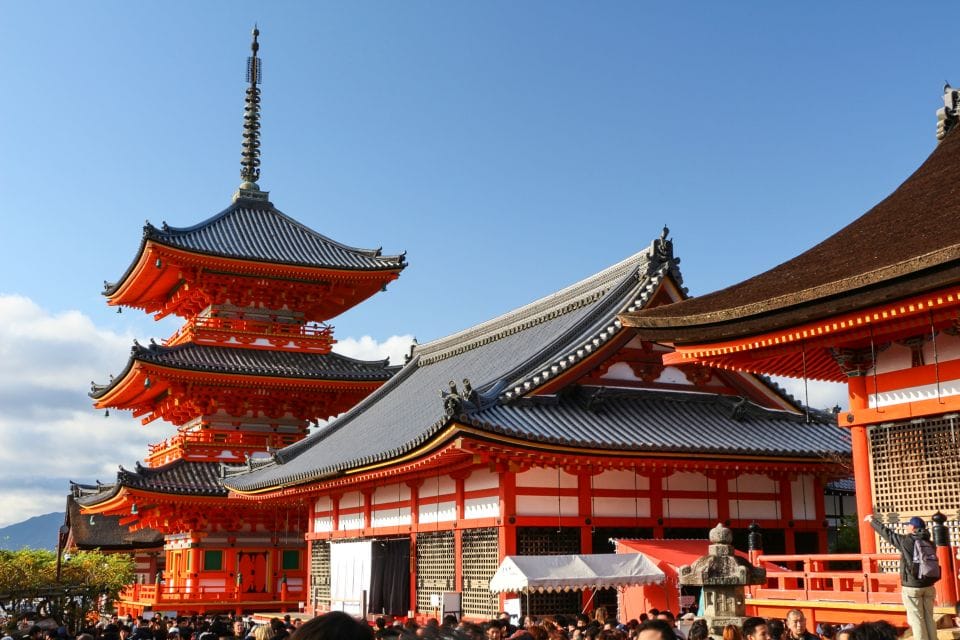
Again, since it’s so many temples and shrines, the prices differ. Most of them are below 1000 yen, and some are even free to enter. So, prepare well as you probably have only 2 days in Kyoto!
| Attraction | Mar–Nov | Dec–Feb | Adults | Kids/Students | Notes |
|---|---|---|---|---|---|
| Ryoan-ji | 8AM–5PM | 8:30AM–4:30PM | 600¥ | 300¥/500¥ HS | Zen rock garden |
| Ginkaku-ji | 8:30AM–5PM | 9AM–4:30PM | 500¥ | 300¥ kids | Philosopher’s Path |
| Fushimi Inari | 24h | 24h | FREE | FREE | Early = no crowds |
| Tenryu-ji | 8:30AM–5PM | Same | 500¥ (+300¥ inside) | – | UNESCO gardens |
| Arashiyama Bamboo | 24h | 24h | FREE | FREE | Iconic photo spot |
| Iwatayama Monkeys | 9AM–4PM | Same (no rain) | 600¥ | 300¥ <15 | Panorama views |
Conclusion about the 2 days in Kyoto
It’s quite a lot to cover in Kyoto in 2 days, isn’t it? But it’s definitely worth it! We hope you find this 2 days in Kyoto itinerary helpful, and kindly leave us a comment section if you have anything to share, or just wanted to ask about anything. We will be so happy to provide an answer.
Like this post? Pin it!

Staying longer? Our 3 best day trips from Kyoto add Nara, Osaka and Himeji to the plan. Round out the trip with our Kyoto food guide, the best photo spots, where to stay (including hotels with onsen), and check seasonal events on the official Kyoto tourism site.
Is 2 days enough for Kyoto?
Enough for the icons: Fushimi Inari, Kiyomizu-dera, Higashiyama, Kinkaku-ji and Arashiyama. Three days would add Nara or slower temple time, but two well-planned days deliver the essential Kyoto.
How do I get around Kyoto in 2 days?
IC card on buses (flat 230 yen) and the subway, JR lines to Fushimi Inari and Arashiyama if you carry a JR Pass. The bus-only day pass no longer exists; the Subway and Bus 1-Day Pass costs 1,100 yen.
What does a Kyoto day cost?
Temples charge 300 to 600 yen each, Fushimi Inari is free, transport runs about 1,000 yen a day and a great set lunch 1,000 to 1,500 yen. Budget roughly 5,000 yen per person per day plus your room.
Where should I stay for this itinerary?
Downtown or the Kyoto Station area for practicality, Gion for atmosphere. Our where-to-stay guide breaks down all three, and several station hotels even have onsen baths for the evenings.