

W trek in Torres del Paine: day-by-day guide [2026]
The W trek is the Patagonia hike – five days under the granite towers, past the Cuernos, up the French Valley, and face to face with Glacier Grey. It’s also, honestly, a small logistics project: two booking systems, a park ticket bought online, a catamaran, and beds that sell out months ahead. Here’s the whole thing untangled, from someone who’s stood under those towers.
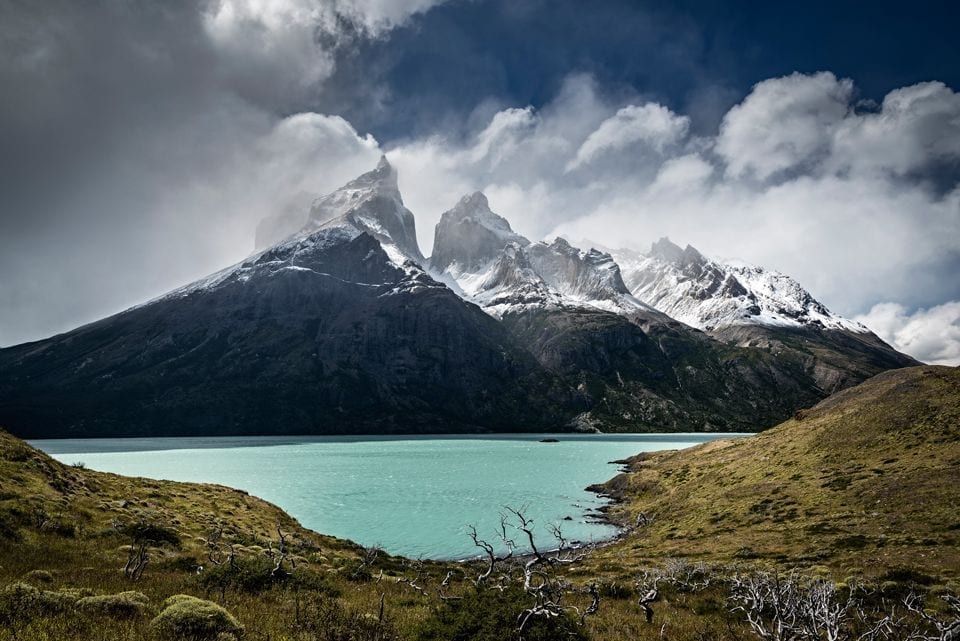
Facts, operators, and booking rules in this guide were checked in August 2026 for the 2025/26 season. This post contains affiliate links – see our affiliate disclaimer.
The W trek in numbers
Distance: roughly 80 km
Days: 4–5 (5 is the comfortable classic)
Season: October–April; December–February is peak
Sleeping: refugios or campsites only – wild camping is prohibited
Difficulty: demanding but non-technical; long days, big wind
Park ticket: the multi-day ticket (valid 2–10 consecutive days), US$54.13 for foreign adults on the official portal in September 2026 – see our tickets guide for the whole system
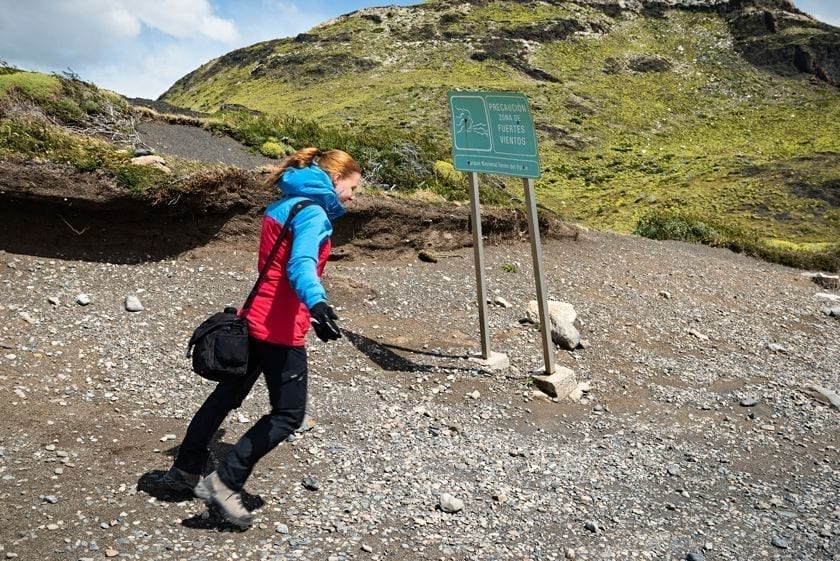
Which direction: east to west, or west to east?
Both work, and trekkers argue about this over every refugio dinner. East to west (our pick) starts with the Base Torres hike on fresh legs and gets the crowd-magnet done first – if the weather window for the towers is on day one, take it. West to east saves the towers for a finale and puts the catamaran at the start, which makes the first day logistics easier but gambles your biggest highlight on the last day’s weather.
Day by day: the classic 5-day W (east to west)
| Day | Stage | Distance | Sleep |
|---|---|---|---|
| Day 1 | Base of the Towers | 19–22 km | Central or Chileno |
| Day 2 | Along Lago Nordenskjöld | 11–17 km | Cuernos or Francés |
| Day 3 | French Valley → Paine Grande | 17–25 km | Paine Grande |
| Day 4 | Glacier Grey and viewpoints | ~11 km each way | Grey or Paine Grande |
| Day 5 | Catamaran to Pudeto → bus out | ~11 km | Puerto Natales |
Day 1: Base of the Towers (~19–22 km)
From Refugio Central, up the Ascencio valley to the famous granite towers and their turquoise lagoon. It’s the hardest single day of the W, especially the final moraine scramble – count on 8–10 hours round trip. If the towers show themselves, sit down, eat your sandwich slowly, and stare; you earned it. Sleep at Central or Chileno (both run by Las Torres Patagonia).
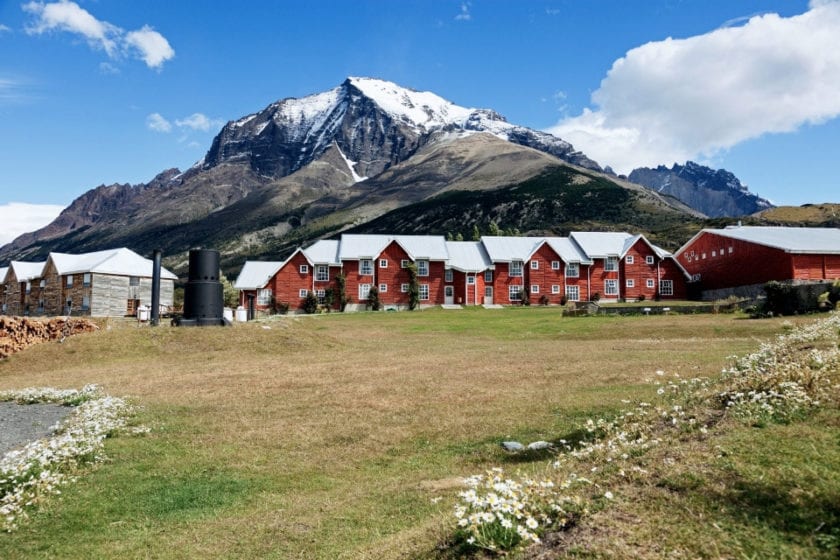
Day 2: Along Lago Nordenskjöld to Cuernos or Francés (~11–17 km)
A gentler day – rolling trail hugging that impossibly blue lake, with the Cuernos horns growing in front of you all afternoon. This stretch is what the postcards don’t prepare you for: it just keeps being beautiful. Beds and platforms at Cuernos or Francés; the Cuernos cabins are the “treat yourself” option if the budget allows.
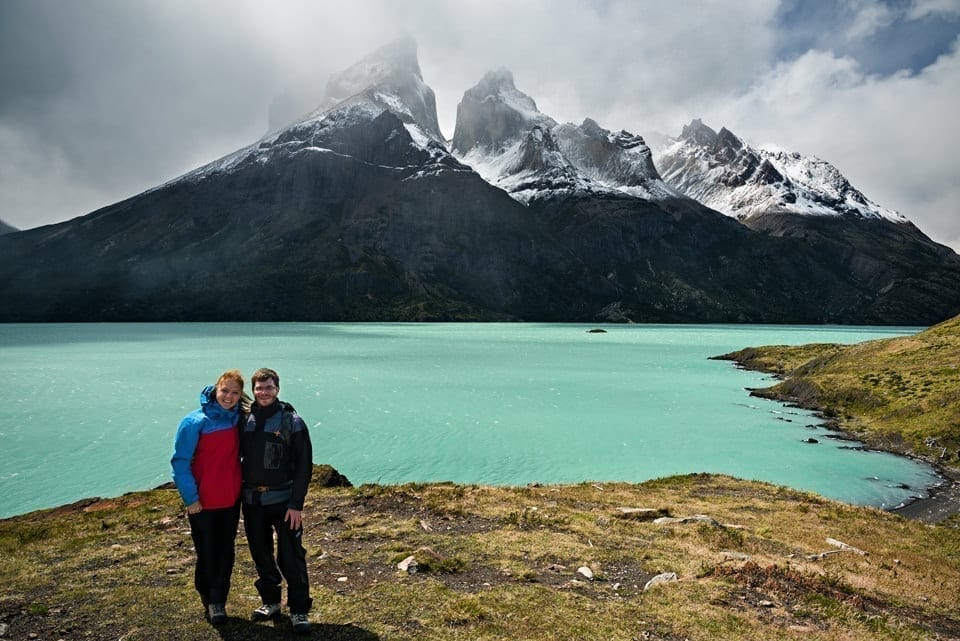
Day 3: The French Valley (~17–25 km)
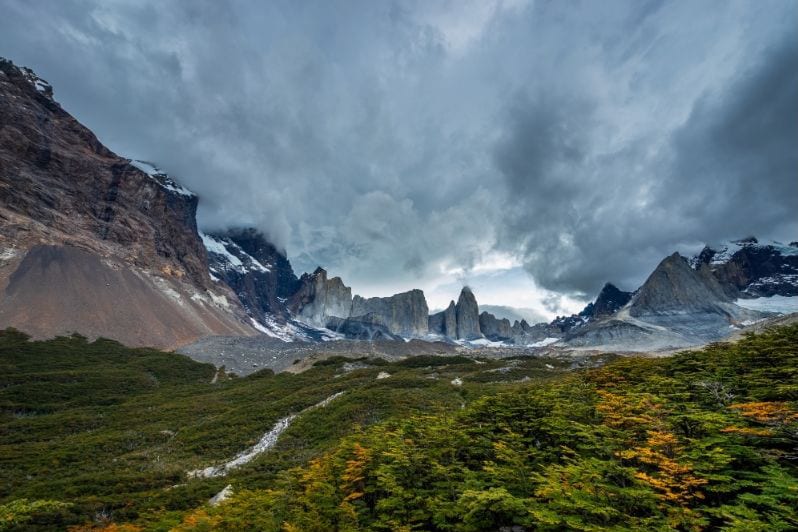
The long one: up into the French Valley to Mirador Francés – and, if legs and weather allow, to Mirador Británico – then on to Paine Grande. You’ll pass the old Italiano campsite, which remains closed for overnight stays – it’s a rest stop only. Leave your big pack at the junction (everyone does), climb light, and listen for the avalanches cracking off Paine Grande across the valley.
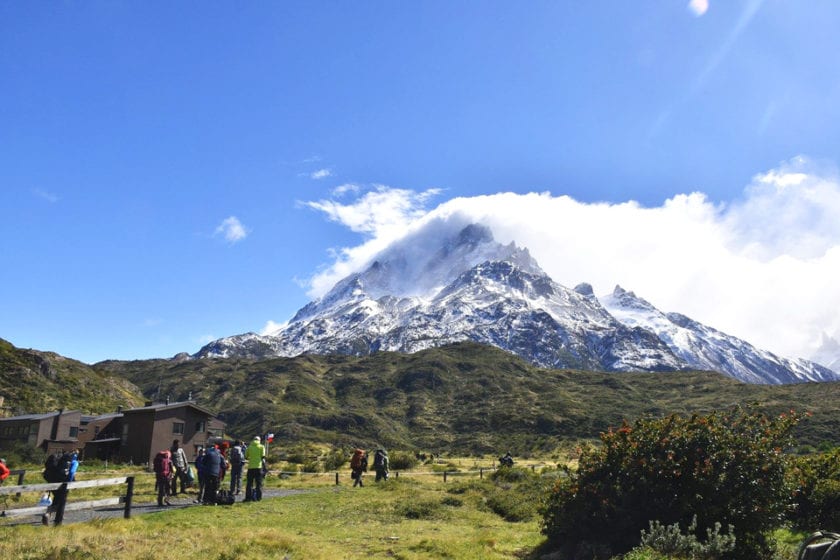
Paine Grande – your bed for the night – is run by Vertice, and its lakeside setting almost makes up for the infamous wind that funnels through the camp.
Day 4: Glacier Grey (~11 km one way)
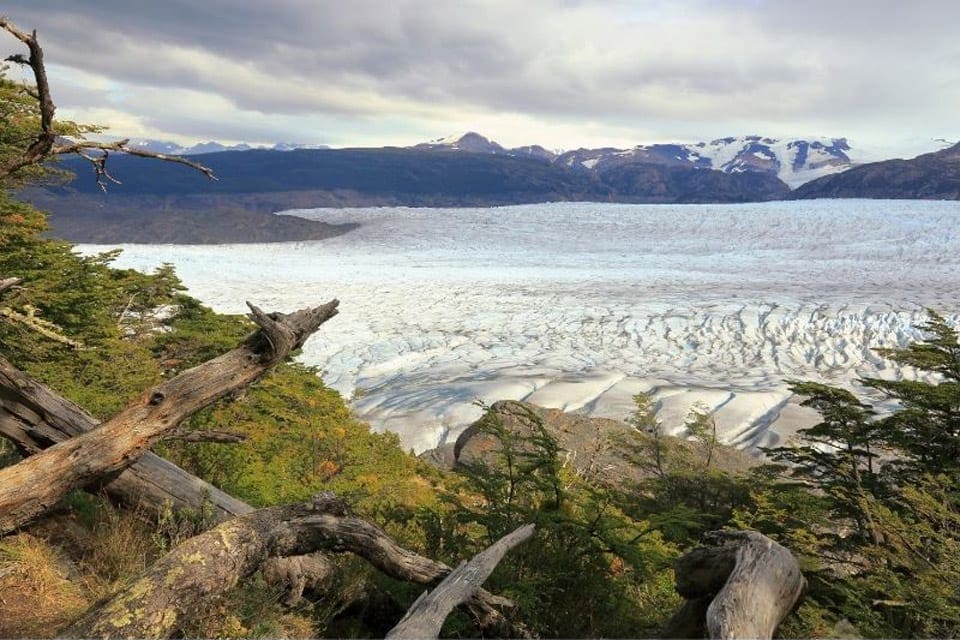
A shortish walk to Refugio Grey with the glacier appearing in slices between the hills. Drop your bag and continue to the viewpoints and the hanging bridges beyond – the third bridge is the money shot. If you’ve booked it, this is where the ice hike on the glacier or kayaking among the icebergs happens – both need advance booking.
Day 5: Back to Paine Grande and out
Retrace to Paine Grande, catch the catamaran across Lago Pehoé to Pudeto (the crossing is run by Hip Sur – book ahead in high season), and connect to the bus back to Puerto Natales. Tired, wind-burned, very smug.
Fancy more? The O circuit
If five days leave you hungry, the O circuit wraps the entire massif: roughly 110–130 km over 7–9 days, adding the wild, quiet backside – Serón, Dickson, Los Perros – and the John Gardner pass, where the whole of Glacier Grey suddenly unrolls beneath you. It’s hiked counterclockwise only (park rules), the backside opens roughly November–March, and daily numbers on the pass are capped – so beds at Serón (Las Torres) and Dickson/Los Perros (Vertice) go even faster than on the W. Heads-up for 2026: CONAF keeps the O (Macizo Paine) circuit closed until 31 October 2026, with reopening subject to a weather and safety assessment – confirm before booking anything. The W days above still apply – the O simply earns them the hard way first.
How much does the W trek cost?
Rough 2026 numbers for a self-organized trek, per person: the multi-day park ticket is US$54.13 for foreign adults; camping runs roughly US$10–25 per night (more with rented tent and mat), while refugio bunks range from about US$100 to well over US$200 a night with meals in high season; buses and the catamaran add roughly US$40–70 total. Realistically: a camping trek with your own gear lands around US$250–450, a full-board refugio version at US$800–1,200+. Prices move every season – treat these as orientation and check current rates with Las Torres and Vertice directly.
Camping or refugios?
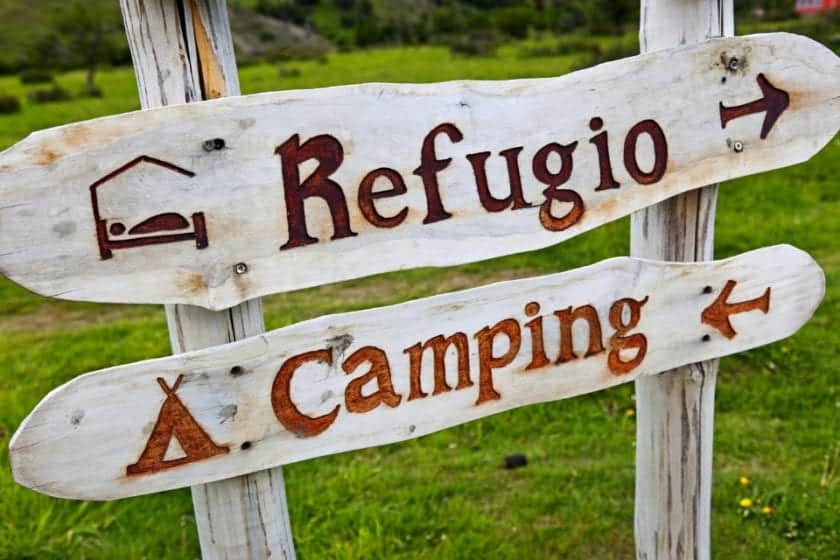
Camping is the budget and the adventure option – but Patagonian nights are loud, and you carry more. Both operators rent tents, mats, and sleeping bags at most sites if you’d rather not haul yours. Refugios mean bunk beds, hot showers, cooked dinners, and sociable evenings – you hike with a light pack and pay for the privilege. Plenty of people mix both. One rule applies everywhere: open fires are banned in the entire park (a careless camper burned a chunk of it in 2011), and cooking is allowed only in the designated shelters.
When to go, month by month
October–November: spring – fewer people, easier bookings, wilder weather swings.
December–February: peak – longest days (light until 10 pm!), warmest temps, biggest crowds and strongest wind.
March–April: autumn – our favourite; the beech forests turn red, wind eases, and beds are findable on shorter notice.
Winter: the park stays open, but in 2026 CONAF requires an accredited specialist guide for the Base Torres trail and the W between 27 April and 15 September (or while winter conditions last). Experienced hikers only.
How to book the W trek (in this order)
1. Beds first. Refugios and campsites split between two operators – Las Torres Patagonia (Central, Chileno, Cuernos, Francés, Serón) and Vertice (Paine Grande, Grey, Dickson, Los Perros) – and December–February sells out 3–6 months ahead. Our refugios & campsites guide walks through both systems.
2. Park ticket second. Buy the multi-day ticket at pasesparques.cl once your dates are locked – it can’t be changed or refunded.
3. Transport last. Bus Puerto Natales → Laguna Amarga, catamaran Pudeto ↔ Paine Grande on the way out. Details in how to get to Torres del Paine.
Rather have someone else deal with all of that? Guided W treks bundle beds, meals, and transfers – you pay for the peace of mind, but in peak season it can genuinely be the difference between going and not going.
Before and after: sleeping in Puerto Natales
Almost every W trek starts and ends with a night in Puerto Natales – gear check on the way in, a giant celebratory dinner on the way out. What to do with that spare day? Our Puerto Natales guide has you sorted. Compare places to stay in Puerto Natales or browse hotels on Booking.com – and if you’d rather base yourself by the park in comfort before or after, our guide to hotels and glamping in Torres del Paine has you covered.
Or just browse the live map – it shows current prices for every stay around the park and Puerto Natales:
Insurance (yes, really)
The W is remote, the weather is violent, and the nearest proper hospital is hours away. Make sure your travel insurance actually covers multi-day trekking – we like SafetyWing Nomad Insurance for its adventure coverage and month-by-month flexibility. Boring advice, until the day it isn’t.
What to pack
Wind is the boss of Patagonia – layers, a real shell jacket, and broken-in boots are non-negotiable, and the full Patagonia packing list covers the rest. Check Meteochile the night before each stage; forecasts shift fast and the French Valley in a gale is no joke.
Not doing the full W?
No shame in it. The best hikes in Patagonia guide covers the day-hike versions of every W highlight, and hotels around the park let you do them with a hot tub at the end. For the bigger picture, our Patagonia itinerary shows where the W fits in a 2–3 week trip – and everything else the park offers is in our activities guide.
Frequently asked questions
How hard is the W trek?
Demanding but non-technical: long days (up to 25 km), serious wind, and one steep moraine scramble to the towers. Any reasonably fit hiker who trains a little beforehand can do it – it is the logistics, not the terrain, that defeats most people.
Can you do the W trek in 4 days?
Yes – the usual shortcut merges the Grey day with the exit, taking the catamaran the same afternoon. It works, but you lose the relaxed glacier afternoon, and in bad weather the compressed schedule bites.
Do you need a guide for the W trek?
Not in the summer season – the trail is well marked and busy, and thousands hike it independently every year. In winter, yes: in 2026 CONAF requires an accredited specialist guide between 27 April and 15 September, or while winter conditions last. Outside winter, a guided trek mainly buys you the bookings (beds, meals, transfers).
How much does the W trek cost?
For 2026, roughly US$250–450 per person self-organized with camping, or US$800–1,200+ staying in refugios with full board – plus the multi-day park ticket (US$54.13 for foreign adults) and about US$40–70 for buses and the catamaran.
When should you book the W trek?
For December–February departures: refugios 3–6 months ahead, ideally as soon as operators open the season. Then the W Circuit park ticket on pasesparques.cl once dates are fixed, and buses and the catamaran last.


![Where to stay in Torres del Paine [2026]: hotels & glamping](https://www.wanderlustdesigners.com/wp-content/uploads/2023/04/cuernos-del-paine-and-lake-768x512.jpg "Where to stay in Torres del Paine [2026]: hotels & glamping cuernos del paine and lake")


![Refugios and Campsites in Torres del Paine [2025/26 update]](https://www.wanderlustdesigners.com/wp-content/uploads/2021/05/camping-piaine-grande-canva-mundosemfim-768x512.jpg "Refugios and Campsites in Torres del Paine [2025/26 update] camping piaine grande canva mundosemfim")
