
How to Dress in Japan as a Tourist: 9 Rules for 2026
Updated August 2026: rules re-checked, including the current reality around tattoos and onsen.
Well, in a word you should dress conservatively while in Japan, or at least smart casual. But there are many other rules you should follow while being in Japan. So sit down, and get ready for our article about how to dress in Japan as a tourist.
Of course, as a tourist, you will not be held to the same standards as locals, but still, it’s better not to offend anyone, right?
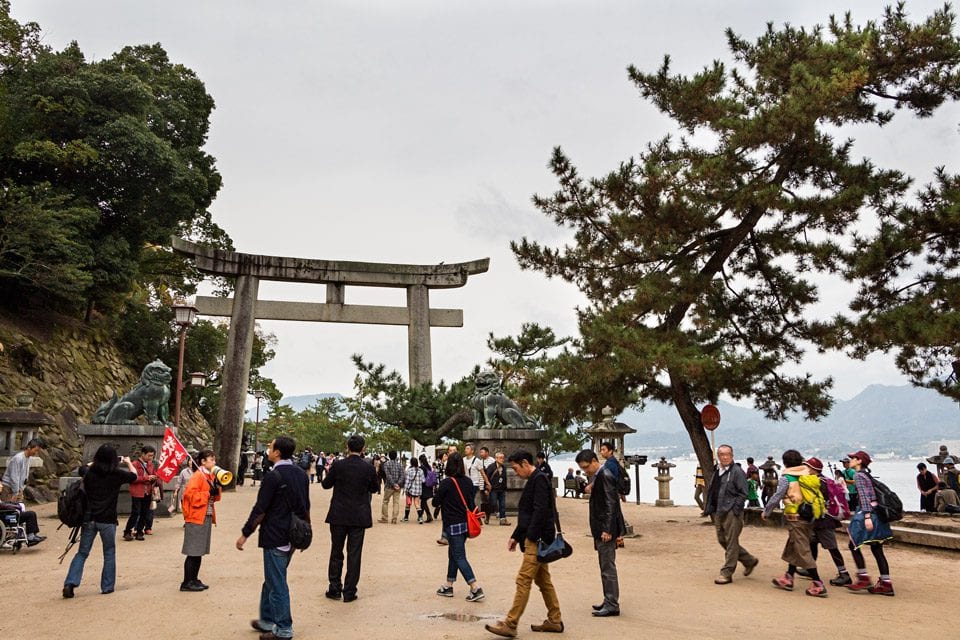
9 Basic rules about how to dress in Japan as a Tourist
When you’re packing for Japan, it’s important to know what to wear to fit in comfortably and respectfully.
This guide breaks down nine essential rules for dressing appropriately in Japan, helping you avoid any fashion faux pas and enjoy your travels with confidence.
1) Cover up
In general, you will not see Japanese women exposing their shoulders or cleavage.
It’s generally ok to wear booty shorts, but do not have a spaghetti-strap t-shirt in your Japan packing list. It’s considered underwear there.
A simple t-shirt, long-sleeve shirt, or sweater is the best bet. Don’t forget to pack a jacket as well, though, as it tends to get chilly in the evenings, even in the summer.
2) No tattoos
I’ve mentioned it in other articles already, but tattoos in Japan are associated with Yakuza (mafia) and are actually not allowed in many establishments. Most notably, in onsens – even big expensive chain hotels that have onsen might deny you entry to their hot spring baths if you have a tattoo. Covering up mid-bath is tricky too: makeup and plasters wash off, and swimwear is not allowed in the baths. A few onsen do accept small tattoos covered with a proper skin-tone sticker, and a private (kashikiri) bath or a room with its own tub is always the safe route (we cover this in our ryokan guide). The official JNTO onsen guide explains the bathing rules in detail.
And it’s not just onsen, but other swimming areas and even nightclubs that don’t allow tattoos.
So, make sure to find out in advance what are the rules regarding tattoos in the places you want to visit if you have some art on your body to not have your travel plans disturbed.
But don’t get too scared! There are many places, including temples and shrines, that do allow tattoos, though. Just find out in advance if you should cover them up or if it’s not necessary.
3) No sports clothes unless you’re in a gym
Were you planning to take your extra comfy leggings with you?
Well, unless you want to go to a gym, you can leave them at home.
It’s considered rude to wear sports clothes outside.
4) No leggings outside
Same as for sports clothes, it’s also rude to wear leggings while in Japan.
Due to their tight fit, they’re considered revealing and could draw unwanted attention.
If you really must bring leggings, ensure you wear them with a very loose shirt that covers your backside.
5) Your socks better be nice

Many places in Japan, especially temples and shrines, but also many restaurants, will require you to leave your shoes at the door. (Yes, it’s safe to do so).
That’s because of the (very correct) belief that the outside contains dirt, so why would you want it inside?
So make sure that your socks are clean and hole-less. And probably better have matching ones on, just in case.
6) Your clothes shouldn’t be shabby
That means they shouldn’t be creasy, dirty, and old.
I know it’s not easy to keep them neat during travelling, though. But hotels in Japan usually have irons available – or at least a service where they press your clothes. And quite often it’s even for free!
7) And your hygiene should be on point as well
It’s not just clothes that should be neat, actually. Japanese people appreciate that all of you – from head to toe – are neat, including the hair. So better be ready!
And make sure that you are clean and wearing deodorant. Just don’t go overboard with perfume – a little goes a long way.
8) Do not use perfume that much
Wearing fragrances isn’t really a common thing in Japan. Especially, in crowded places like Tokyo’s subways.
It’s best to avoid perfume or cologne in these settings to respect local customs.
Similarly, avoid fragrances when dining out, as they can affect the taste experience, particularly in sushi restaurants and upscale venues.
9) Make sure you check the dress code
If you plan to go to a fancy restaurant or have an event to attend, make sure to check out that there’s no dress code.
Even high-end Japanese restaurants tend to not require formal attire, but there are loads of Western-style places that might have a black-tie dress code. So be prepared!
Final thoughts on how to dress in Japan
Navigating of how to dress in Japan as a tourist can be quite eye-opening.
Which of these rules surprised you the most? Perhaps you were already familiar with some aspects before reading our guide.
We’re eager to learn from your experiences too, so if there’s anything you think we could add to enhance this article, please share your insights in the comments below!
What to wear in Japan by season
The rules above hold all year, but the suitcase looks very different in February and in August. Here is the quick version from our own trips:
- Spring (March to May): layers. T-shirt weather at noon, jacket weather at night. A light rain jacket earns its place, and during sakura season you will be outside from morning picnics to evening illuminations.
- Summer (June to August): the humidity is no joke. Light, breathable fabrics (linen, thin cotton), a folding umbrella for the June and July rainy season, and one light layer for train and shop air-conditioning, which runs arctic. Locals stay covered up even in the heat, so think loose rather than skimpy.
- Autumn (September to November): the most comfortable season. Same layering game as spring; add a warmer jacket from late October, especially for evenings in Kyoto and the mountains.
- Winter (December to February): a proper warm coat, hat and gloves for outside, but be ready to shed it all indoors, where heating is set to sauna. In Hakone and other mountain areas expect snow; we got snowed in there in November, so do not underestimate the mountains in any season.
Now that you know what to wear, our complete Japan packing list covers everything that goes into the suitcase, and the first-time Japan guide covers everything else.
Can I wear shorts in Japan as a tourist?
Yes, shorts are fine, especially in the humid summer. What locals avoid is exposed shoulders, cleavage and anything that reads as underwear, like spaghetti-strap tops or leggings worn on their own.
Are tattoos a problem in Japan?
In onsen, pools, gyms and some clubs they can be. Check policies in advance, use skin-tone cover stickers for small tattoos, or book private baths. On the street and in temples, visible tattoos are generally not an issue for tourists.
What shoes should I bring to Japan?
Comfortable slip-on shoes are the winning choice. You will take your shoes off constantly, in temples, ryokan and many restaurants, so laces get old fast. And bring clean, hole-free socks; they will be on display.
Is there a dress code for temples and shrines?
No strict enforced code for tourists, but modest dress is appreciated: covered shoulders, no beachwear. You will need to remove shoes to enter many temple buildings.



![Ryokan Experience in Japan: Why You Need It [2026 Guide]](https://www.wanderlustdesigners.com/wp-content/uploads/2020/03/ryokan-dinner-768x512.jpg "Ryokan Experience in Japan: Why You Need It [2026 Guide] ryokan dinner")