

When is the best time to visit Venice?
Updated August 2026: crowds, fee calendar and month-by-month picks re-checked.
Well, any time honestly the best time to visit Venice. We’ve been there in April and in November, as spring and autumn should be when there are the least crowds. Honestly, April was better because the weather was much nicer.
Since Venice is one of the most popular places in Italy to visit, there are always many people there. The crowds range from “small” to “crazy” depending on which time you visit, but you’ll never be alone.
In short, you can expect the most crowds from around the middle of April to the end of September.
Anyways, let’s go season by season.
Spring – shoulder season
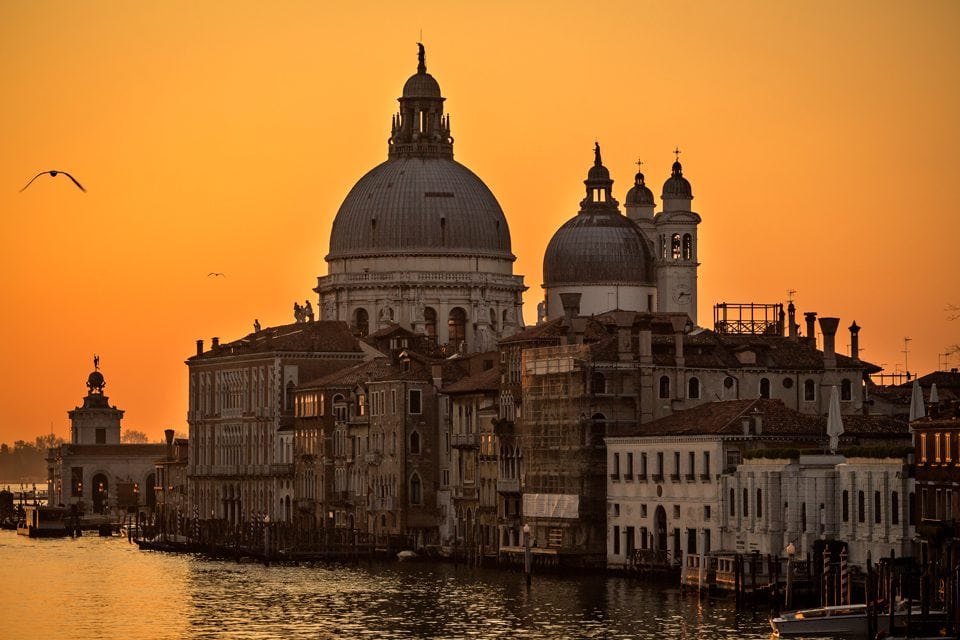 Generally, in spring there are fewer crowds than in the summer in Venice, but already a bit more than in the winter.
Prices are what you’d expect from a shoulder season. Mind that at the beginning of spring, some shops and restaurants might be closed.
The tourist season itself begins in May, which is when crowds start to arrive.
As for the weather, March is obviously much colder than May. The temperatures in March go up to around 12 degrees Celsius and at the end of May – even to low twenties Celsius. You might need a jacket, especially for the evenings. You can expect it to be raining as well, with the occasional thunderstorm thrown in.
Summer – high season
And by “high” season I mean HIGH. Summer is crowded in Venice. If you don’t love crowds, summer in Venice is not really for you.
The prices of things go up as well – so the hotels and gondola rides will cost more than during a shoulder season.
As for the temperature, summer in Venice is hot with the highest temperatures being in July. There are often thunderstorms in the afternoon and bugs during all hours of the day. All of this means – bring sunscreen and a bug spray with you!
Autumn – shoulder season
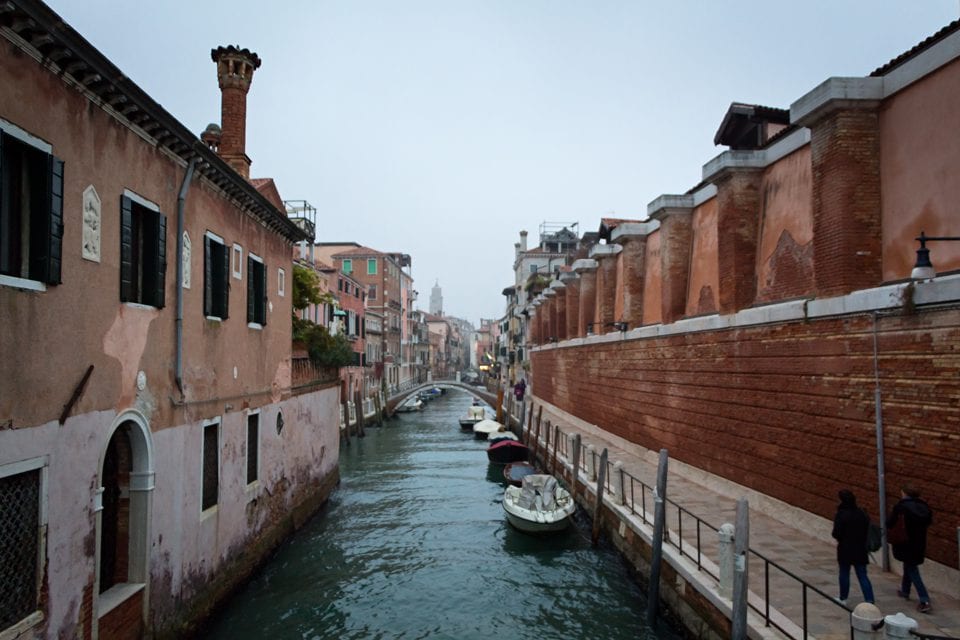
Similar to spring, Autumn in Venice is less crowded. This means easier access to a lot of attractions, including the museums and gondola rides.
The prices are friendlier than in Summer, although nothing really is cheap in Venice.
As for the weather, in September it’s still quite warm and sunny, but at the end of Autumn, it’s not that pleasant. There can be rains and fog, and it’s already getting quite cold outside. So it might happen that you have to wait in a line for St Mark’s Basilica while it rains. Unpleasant!
If you plan to go at the end of autumn, though, make sure you have some activities planned for a rainy day as well.
And keep in mind that in Autumn (and winter, for that matter) days are short, which means that there’s less time to do things.
Winter – low season, except for Venice Carnivale
During the Carnivale, which is held 40 days before Easter, usually between late January and mid-February, there are lots and lots of crowds. The prices of the hotels surge as well because of that.
Otherwise, there are little crowds really. You don’t have to worry about long lines to access the sights – just make sure to dress properly!
That’s because the weather is at its coldest. And since it’s cold and humid outside, it’s not exactly pleasant. There’s a bit of rain, maybe some snow, and freezing temperatures at night. Plus, the days are short which means less time to do things, as I already said.
On the other hand, the famous fog of Venice rolls in and the canals look very romantic. Tradeoffs, as usual!
So, what is the best time to visit Venice?
Shortly, the best time to visit Venice is during the shoulder seasons. This is meant during April-May or September-October.
During this time the city is not so much overcrowded, the weather is nice, and prices are still quite reasonable.
But honestly – do you really think there is something in this world we could call a bad time to visit Venice?
Timing your visit has one new dimension: on 60 peak days in spring and early summer, day visitors pay the Venice access fee (5 to 10 euro). Off-season visits and overnight stays dodge it entirely, one more argument for the quieter months this guide recommends.
Venice month by month, the short version
- January to February: the quietest, moodiest Venice, with Carnival exploding for two weeks (book far ahead or avoid, depending on taste).
- March to May: lovely weather, building crowds, and the access fee calendar kicking in on peak days; April remains our sweet spot on weekdays.
- June to August: hot, humid and at maximum capacity. Early mornings and evenings save it; midday belongs to the crowds and the lagoon glare.
- September to October: the connoisseur choice: warm water light, thinning crowds, no fee days after July.
- November to December: acqua alta season; occasional high water is part of the experience now softened by the MOSE barriers, and foggy Venice is a photographer’s dream, as our photo guide shows.
Whenever you come, sleeping in the city beats day-tripping (and skips the fee). Live prices for your dates:
What is the best month to visit Venice?
September, with April weekdays close behind: warm light, bearable crowds and no access-fee days after late July. January brings the emptiest alleys if you pack a coat.
When is acqua alta in Venice?
High-water episodes cluster from late October to December. The MOSE barriers now hold back the worst tides, and for regular episodes the city lays out raised walkways; rubber boots and a sense of humour cover the rest.
When does the Venice access fee apply?
On designated peak days in spring and early summer (60 days from early April to late July in 2026), 8:30 am to 4 pm, day visitors only. Visit off-season or stay overnight and it does not touch you.


